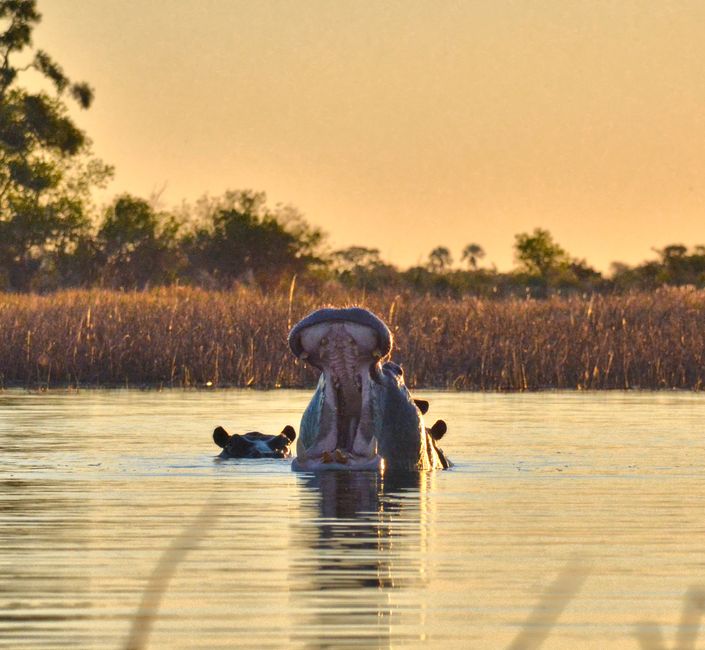
If you’re planning a safari trip, you might be wondering where to stay near the Okavango Delta wildlife areas for mokoro and safari drives. This guide breaks down the best base camps by flood vs dry-season access, plus how far you can expect to travel to mokoro launches and what that means for 4x4 routes.
From Moremi Game Reserve to the Khwai area and the gateway town of Maun, you’ll learn how water levels change road conditions, which wildlife zones are usually most rewarding, and how to choose a stay that supports good wildlife viewing and local operations.
How Mokoro Launches and 4x4 Routes Shape Where to Stay

What counts as “near” for mokoro
For mokoro, “near” usually means the lodge/camp is in (or immediately adjacent to) the concession that supports the day’s launch. Water depth and channel layout can shift quickly in the Okavango Delta, so a location that looks close on a map can still require a long transfer if the launch point moves.
A practical way to judge proximity is to ask what happens on a typical mokoro morning: where the mokoro starts, whether you transfer by vehicle, on foot, or by boat, and how long you’re on the water before you reach the first wildlife-viewing stretch.
Flooded tracks vs reliable gates
During higher water, many safari roads and crossings become soft, sandy, or seasonally impassable. In that situation, the “best” base camp is the one that keeps your transfers short and predictable, even if it means relying more on scheduled air/boat transfers or meeting the guide at a fixed airstrip.
In lower water, tracks tend to firm up, making it easier to combine mokoro with standard 4x4 game drives. Even then, access can vary by day due to rain, river levels, and track conditions.
Distance in time, not kilometres
On an Okavango itinerary, time is what matters. A 30–60 km road journey can turn into a half-day detour if a track is rutted or a crossing is too risky. When comparing stays, look beyond kilometres and focus on:
- Transfer duration under normal conditions (and the contingency plan when conditions change)
- The number of days you can reliably schedule drives and mokoro on the same circuit
- Whether your base offers access to multiple wildlife zones, rather than only one narrow water route
Flood Season Bases (July to September): Getting the Most from High Water

Maun as a wet-season gateway
When water is at its highest, access inside the delta can become highly variable. Maun is often the most practical starting point for families and travellers who want a comfortable base that still keeps options open. Many itineraries run transfers and day planning from here, especially when deeper delta access depends on water and local logistics.
Maun works best when you’re planning a mix of activities: some time on the water, plus flexibility for wildlife drives that can be adjusted if a channel is difficult on a given day.
Xakanaxa and Third Bridge for inner-delta mokoro
Moremi’s water-rich heart is where mokoro days can be exceptionally rewarding in flood season. Areas around Xakanaxa and Third Bridge typically support calm, channel-based travel when the delta spreads wide.
These locations are also strong for wildlife viewing from both mokoro and vehicle, but the key difference is how you get there. In high water, the transfer to the deeper channels may be more dependent on local routing and timing, so your lodge selection should prioritise short, well-managed transfers.
Khwai when channels stay open
The Khwai area sits in a productive zone where land-based wildlife viewing can pair well with delta influence. In flood season, channels can remain navigable longer here, which can extend mokoro-style experiences and create a blend of wetland and river-edge sightings.
If you want a base that feels slightly less “deep delta” than the most remote interior channels but still offers strong water-based days, Khwai is often a smart compromise.
- Maun (gateway base camps): suits travellers who value flexibility in the wet season, especially when you’re combining delta activities with other guided excursions.
- Moremi Game Reserve – Xakanaxa area stays: suited to travellers prioritising classic mokoro conditions in high water and calm channel travel.
- Moremi Game Reserve – Third Bridge area stays: suited to travellers who want mokoro days linked closely to interior-channel wildlife viewing.
- Khwai Community Area stays: suited to travellers aiming for a mix of water days and land-based game drives when channels remain active.
Dry Season Bases (April to June, plus late winter): Easier Drives, Classic Game Viewing

Pom Pom for flexible mokoro schedules
As water levels begin to drop, the delta can concentrate wildlife along reliable channels and edges. Pom Pom is often a strong choice because it tends to offer a practical combination: you can schedule mokoro days when channels suit, and also fit in land-based drives that take advantage of firmer 4x4 routes.
Dry-season conditions also make it easier to plan around shorter transfer windows. That means more time in the bush and fewer “waiting-and-guessing” gaps when tracks are slow.
Moremi South/East gate areas for 4x4 safaris
When the delta is lower, road access generally improves, particularly around the edges of Moremi where gates and standard access routes are more established. Lodges/camps in these gate-linked areas often work well if you want frequent drives as part of your daily rhythm.
This is also a good pattern if your group includes different interests: some want mokoro, while others prefer vehicle-based viewing. A gate-area base can make it simpler to split the day without losing time to long transfers.
Why dry-season timing changes your route plan
In the dry months, you’ll typically get:
- More consistent road travel compared with flood season
- Wildlife clustering near water sources (so drives can feel more predictable)
- Mokoro routes that depend more on channel depth and timing, which means your guide’s local knowledge becomes even more important
For the best experience, choose a base where your day plans are designed around local water dynamics rather than fixed “turn-by-turn” expectations.
- Moremi Game Reserve – Pom Pom area stays: best for travellers who want an easy pairing of mokoro days with classic dry-season viewing.
- Moremi Game Reserve – South/East gate area stays: best for travellers who want more frequent 4x4 drives and shorter transfer times in drier conditions.
What to Expect on Safari Drives and Mokoro Days

Pairing mokoro with land-based game drives
Many of the most satisfying itineraries pair mokoro in the morning with a game drive later. In flood season, mokoro can be the quieter, close-up activity, while drives can pick up when channels become harder or when light is best for wide-ranging sightings.
In dry season, the pattern often flips: drives can become more frequent and reliable, with mokoro slotted in when channel conditions are right. Either way, aim for a lodge/camp that helps you plan smooth transitions between water and land.
Wildlife you’re likely to see (and where)
In the Okavango Delta ecosystem, mokoro days often bring you close to wetland edge behaviour: birds, crocodiles near quieter channels, and mammals moving between water sources and reedbeds. Land-based drives can complement this by adding sightings of larger grazers and predators in open floodplain and woodland mosaics.
A good guide will also explain where animals are likely to be at different times of day. Mid-morning can be productive for birds and smaller water-edge wildlife, while early morning and late afternoon often give stronger behavioural activity across the delta landscape.
Comfort and safety on the water and in vehicles
Mokoro trips are generally stable and guided, but conditions matter: current strength, channel width, and how the boat is poled all influence comfort. Dress for sun and splash, bring a dry bag for phones and cameras, and stay attentive to the guide’s instructions.
On land, 4x4 safety is about driver skill and respect for track boundaries. If a track looks too damaged, it’s not the time to “test it.” Stick to the established routes, avoid sudden off-track manoeuvres, and keep a buffer between vehicles when other groups are nearby.
Staying Responsible: Respect, Welfare, and Conservation in the Delta
Mokoro etiquette and animal boundaries
Responsible mokoro viewing means moving slowly, staying quiet, and never pressuring wildlife into changing behaviour. If animals are using a channel edge or if crocodiles are nearby, the guide’s route choices and stopping decisions should take priority over guest expectations.
It’s also important to avoid actions that increase risk: leaning over excessively, splashing intentionally, or trying to crowd for a photo. The goal is to observe, not to interfere.
Protecting water quality and community access
The delta’s water is the lifeblood of both wildlife and local livelihoods. Small practices make a difference: keeping waste secured, using eco-friendly toiletries if you’re permitted, and following all rules about where you can walk, paddle, or park.
Community areas around the delta depend on respectful visitor behaviour and predictable support for local operations. Choosing a base that works closely with the concession or community governance model helps ensure your presence benefits the people who manage access and protection.
Planning smart: transfers, airstrips, and contingency days
Your best stay will be one that plans responsibly for changing conditions. Ask about:
- Whether transfers are vehicle-only, boat-assisted, or air-linked (especially in flood season)
- How your schedule adapts if a track is too soft or a channel is temporarily unsuitable
- What the day looks like if you arrive mid-morning or have to adjust a mokoro start time
When comparing availability and location context for your dates, tools like Booking.com can be useful for checking how close a listing appears to key access points, but always confirm the practical transfer plan with your operator.
Overall, choosing the right base camp near the Okavango Delta comes down to timing and transfer realities. If you’re travelling in high water, prioritise Maun for flexibility and Moremi/Xakanaxa, Third Bridge, or Khwai for inner-delta access. If you’re travelling in the drier months, Pom Pom and Moremi gate areas can give you shorter routes, more consistent 4x4 drives, and mokoro days that fit local channel depth.
Leave a Reply