
If you're planning a visit to the Dogon villages of Mali, then you know that community etiquette matters. This guide covers respectful village etiquette, realistic route planning, and how to verify local guides and fair community fees.
Dogon Country sits along the Bandiagara Escarpment, where cliff-edge homes, paths, and daily routines have long shaped community life. A responsible visit is less about “seeing” and more about participating properly: arriving through the right channels, asking permission before entering homes or filming, and spending time the way hosts expect—on their terms.
Because the region is remote and travel conditions can change quickly, good planning is part of good respect. Prepare for long overland days, limited services beyond settlements, and practical limitations that affect how far you can go on any given day.
Before You Go: Building Respectful Expectations
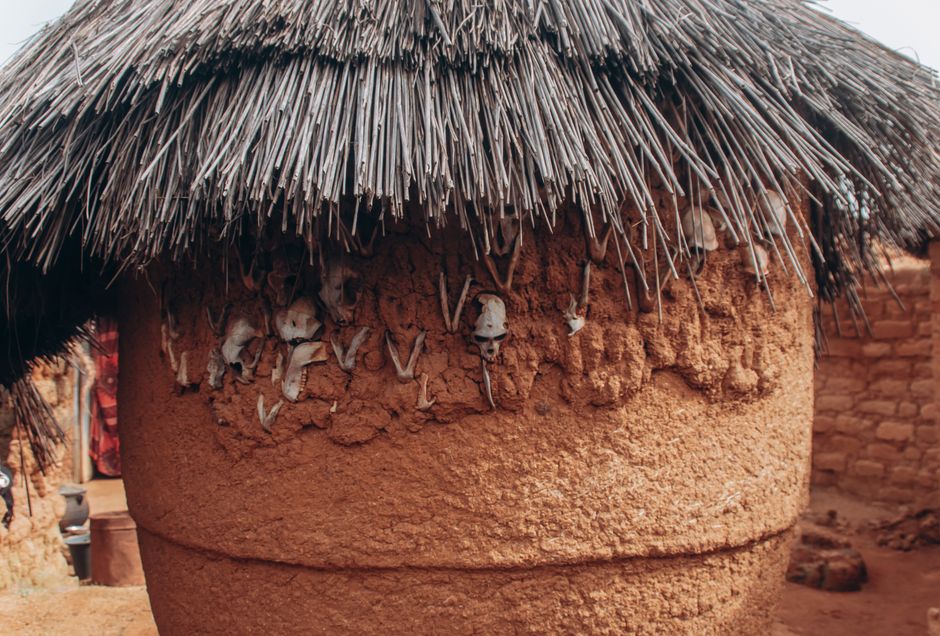
If a host offers hospitality, respond with patience and flexibility. Timing can be guided by cooking, herding, school, or farming work, so a “schedule-first” mindset can easily come across as disrespectful.
Choose the right group size and pace
Responsibility improves when visits are small-scale. Tight groups can cause congestion at narrow passages, overwhelm households during busy tasks, and limit the time hosts can give. A slower pace also allows better listening, fewer rushed questions, and more time to follow local instructions about where to stand, move, and pause.
Plan around cultural sensitivity, not just sights
Some places are sacred, some practices are not meant for outsiders, and some knowledge is not offered freely. A responsible trip respects these boundaries even when it means skipping a viewpoint, a photo, or a story that you assumed you “should” receive. The goal is a respectful encounter, not a completed checklist.
Route Planning That Matches Reality

When selecting initial accommodation for your first night or two, using Booking.com can help you compare options with recent reviews, especially where transport to local meeting points is part of the plan.
Remote transport expectations (and why timing can shift)
Once you leave the most established corridors, transport may involve shared vehicles, negotiated drop-offs, and longer-than-expected travel times due to road conditions and vehicle availability. It’s common for the most direct route to be unavailable on a given day, which is why your plan should include buffer time and clear “what happens if we can’t go today?” thinking.
For the escarpment itself, expect walking segments. Even when vehicles can reach a nearby starting point, the last part of the journey is frequently on foot, including rocky tracks and uneven steps.
Seasonal windows and contingency days
The Sahel has distinct wet and dry periods that affect roads and river crossings. During wetter months, travel can take longer and some tracks may become difficult or unsafe. During the drier season, paths may be easier, but heat can be intense.
A responsible itinerary builds in at least one contingency day so the trip doesn’t become a stressful scramble if weather or access changes. That flexibility also helps communities, because it reduces the pressure to accommodate an overly tight timetable.
What a Responsible Village Visit Looks Like

- Guided village walks led by a local host, with clear boundaries on where visitors may go
- Host-family hospitality or homestays, when offered through appropriate local channels
- Cultural exchanges with permission, including introductions, conversation, and only permitted photography or filming
These are not just “activities”; they’re relationships. They work best when you arrive ready to contribute time, attention, and respect rather than treating people as a backdrop.
Start with introductions and follow the host’s flow
A good visit begins with introductions through your guide, so community members know who you are and why you’re there. During the visit, let your guide interpret pace and response. If someone is working, you may be expected to pause and observe rather than speak constantly or request a photo at every moment.
When you are invited into a household setting, treat it like a home visit. Keep your voice calm, avoid stepping over items or entering spaces you’ve not been directed to, and thank hosts properly.
Photography and filming: ask, confirm, and respect refusals
If people want photos, they may still want the right conditions: the place, the timing, and how the image will be used. Always ask before lifting a camera, and be prepared for refusals without argument. If your guide mentions that certain areas or moments should not be captured, follow that guidance even if it feels like you will “miss out.”
If you are invited to photograph, keep the approach gentle and non-intrusive. Avoid directing people’s bodies or posing them in ways that feel uncomfortable.
Community Etiquette, Safety, and Respect for Everyday Life

- Do greet people politely and let your guide lead introductions
- Do ask before entering compounds, touching objects, or photographing people
- Do dress modestly and keep clothing comfortable for walking and heat
- Don’t assume children will want attention; ask before engaging
- Don’t pressure anyone to “perform” for photos or stories
- Don’t bring visitor behaviour that disrupts farming, herding, cooking, or worship
Health and safety in remote areas
Remote travel changes what “safe” means. Carry enough water and essentials for walking segments, and keep your plans realistic about the distances you can cover. Mosquitoes can be an issue in many parts of Mali, so take precautions recommended for your route and season.
Travel safety also includes communication: keep your guide’s contact plan clear, share your itinerary with a trusted person, and avoid drifting away from your group or route.
If you are unwell or the day becomes too hot or physically challenging, it’s acceptable to scale back. Responsible visiting means staying within your limits and not creating additional burdens for hosts.
Respect for sacred spaces and private routines
Some locations are not meant for outsiders, and some knowledge is offered only when appropriate. Treat sacred spaces as off-limits unless explicitly invited.
Also respect private routines. If a household seems busy, you can still show respect through calm observation and brief, well-timed conversation. The most considerate visitors do not rush, do not crowd, and do not repeatedly interrupt household tasks.
Finding Local Guides and Fair Fees
How to verify a guide before you commit
Start by verifying that your guide is connected to the places you plan to visit and understands community expectations. Practical ways to do this include:
- Asking how the visit is arranged locally (not just “where to go”)
- Requesting a simple outline of what the visit includes and who hosts it
- Checking whether the guide has a local reference from the community or a trusted intermediary
- Using your accommodation or local contact to confirm the guide’s legitimacy when possible
A trustworthy guide should be comfortable answering questions about etiquette, boundaries, and practical logistics. If the guide dismisses consent, avoids discussing fees, or pushes for rushed, photo-heavy stops, that’s a red flag.
Agree on community fees transparently
Fair community fees are part of responsible tourism. The key is transparency: you should understand what you are paying for (for example, guiding time, local hospitality, or community contributions) and how that support reaches the community. Good practice includes agreeing on fees in advance, through your guide or organiser, and avoiding last-minute surprises.
Ask questions directly, in a respectful tone: what portion supports hosts, what portion covers transport or services, and what happens if access changes due to weather or other constraints.
If a situation arises where someone offers an informal payment request during the visit, return the conversation to your pre-arranged understanding. Your guide can help interpret what’s genuinely community-supported versus what may be opportunistic.
Make sure your money supports more than one day
Responsibility continues after the handshake. Where possible, support arrangements that strengthen local livelihoods: locally run hospitality, local guiding, and contributions that communities choose and explain.
Also consider impact beyond payments: behave in ways that reduce environmental pressure (such as keeping waste contained, using water carefully, and not leaving items in sacred or shared areas). Your conduct affects whether communities feel tourism is sustainable and worth continuing.
Overall, responsible Dogon village visits come down to respect made practical: learn the etiquette expectations, plan routes with realistic transport and seasonal limitations, verify that guides are genuinely local and accountable, and agree on fair community fees with clear explanations. By following these approaches, you help ensure your visit benefits the people who host you while protecting the dignity and rhythms of village life.
Leave a Reply