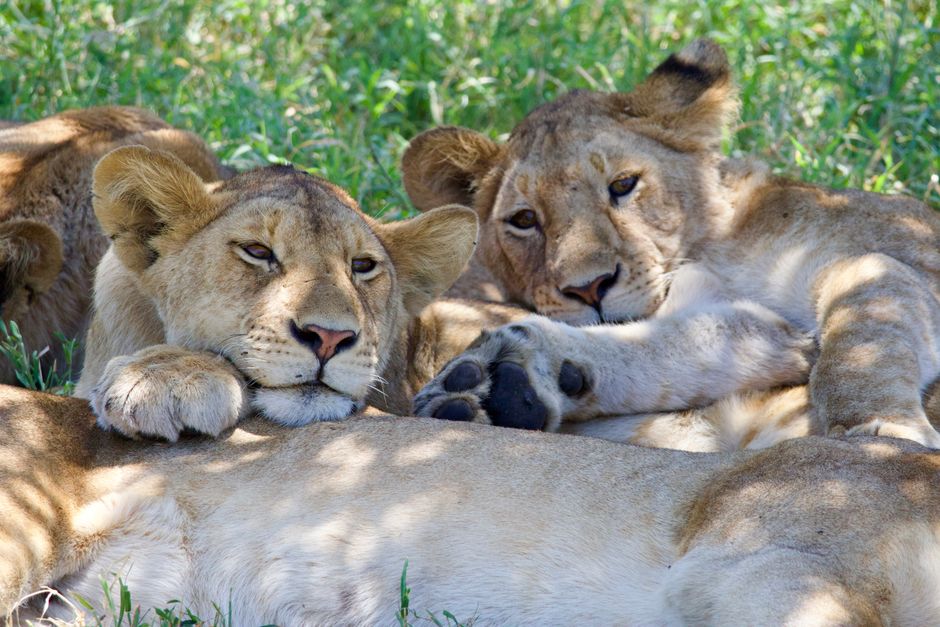
If you're planning a short safari trip around the Serengeti National Park, you might be wondering where to stay so you can make the most of daylight. This guide covers the most practical bases near the park, what wildlife you can realistically target from each, and how to plan an itinerary that stays respectful and safe.
You will see where to base yourself for short drives, including Seronera, Kogatende, the edges around Moru Kopjes, plus two other convenient zones depending on the time of year. The goal is to help you choose accommodation areas that reduce transfer time and increase your chances of seeing lions, elephants, predators, and the migration action.
Choosing the Right Base for a Short Serengeti Trip

Seronera: Best for classic plains wildlife
Seronera is one of the most practical bases for a short safari because it sits close to broad game-viewing areas where you can often find large groups of grazers. From here, it is easier to fit in multiple game drives without long back-and-forth transfers, which matters when you only have a couple of days.
In this central Serengeti zone, wildlife viewing commonly includes lions on the prowl, cheetahs when conditions allow, and steady sightings of elephants, giraffe, zebras, and wildebeest. Predators can appear unpredictably, but staying near Seronera helps you spend more time where animals concentrate and less time waiting in transit.
Kogatende: A strong option for river and predator chances
Kogatende is another base area that many travellers use for short safaris. It is useful when you want reliable access to parts of the northern sector where wildlife can be active around seasonal water and along game corridors.
From a Kogatende-side stay, you may do well for elephants, buffalo, giraffe, and frequent predator searches. Leopard sightings are sometimes possible around rugged terrain and thick cover, but remember that sightings are never guaranteed; the advantage of this base is that it keeps you positioned for efficient morning and afternoon drives.
Moru Kopjes edges: For rocky habitats and easier scouting
Moru Kopjes is known for kopje-style landscapes, which are often productive for spotting animals that use rocks for vantage points. If your short safari includes hopes of seeing more variation in habitat, staying near the Moru Kopjes edges can be a smart fit.
These areas can be particularly interesting for viewing lions and other predators scanning from rocky outcrops, as well as for general sightings of elephants and other plains species moving between habitats. Even when the plains are quiet, kopjes and their surrounding routes can help you keep drives active with different sighting opportunities.
Matching Your Stay to Where the Wildlife Is

Grumeti: River-adjacent scenery and varied habitat
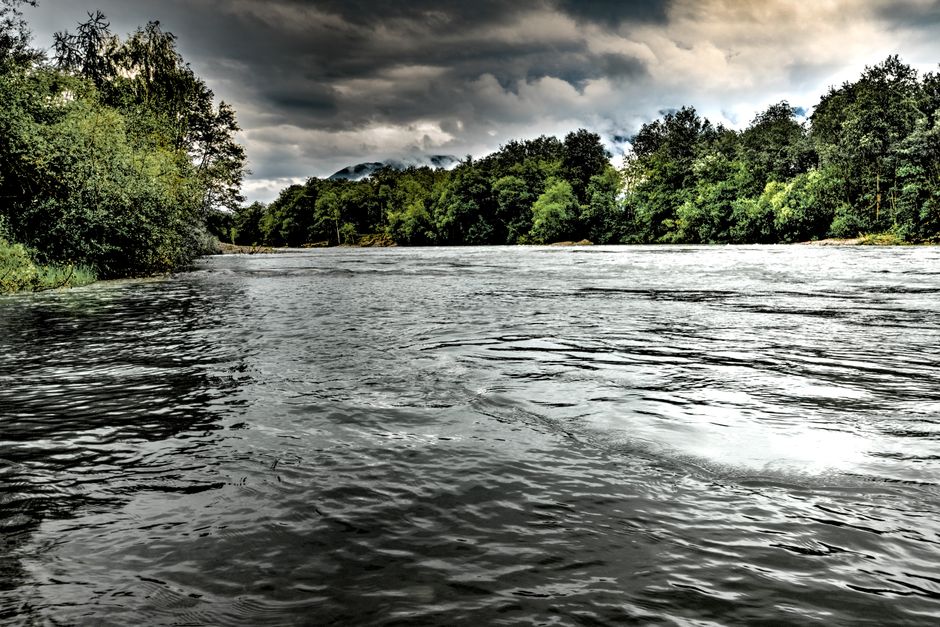
Grumeti is a popular choice for travellers who want a slightly different mix of landscapes and wildlife routes during their short visit. Staying around this zone can make it easier to reach areas where river systems and woodland edges influence where animals travel.
For many short safaris, the biggest benefit is flexibility. With shorter drives, you can adjust when sightings happen instead of sticking rigidly to a plan that depends on long transfers. This helps you balance time spent scanning for predators with time spent observing elephants, giraffe, zebra, and wildebeest moving along predictable lines.
Ndutu and Kusini: Often best when the season turns
Ndutu and Kusini are practical options for short safaris at times of year when the ecosystem shifts and animals gather differently. If your trip overlaps with the period when young animals become more common, this region can offer some of the most dramatic wildlife viewing opportunities.
Because timing matters, the key is to coordinate your travel dates with the type of sightings you want. Even on a short trip, staying in this part of the ecosystem can help you concentrate on the events that drive wildlife activity, rather than chasing them across long distances.
How to use drive times to your advantage
When you have limited days, your itinerary should be built around efficient morning and afternoon game drives. That means choosing a base that reduces time spent leaving camp, reaching the right habitat, and returning again for rest.
A helpful way to think about it: if your transfer time is short, you can often do two productive drives per day. If it is long, you may lose flexibility when roads, weather, or animal movement changes the best route on the day.
What a Short Safari Can Look Like From These Bases

Day 1: Settle in and prioritise broad sightings
On your first day, plan for a relaxed start and use the mid-morning to late-afternoon window to scout. Wildlife tends to reveal itself through repeated circuits, so even if you do not see everything immediately, positioning your guide to understand where animals are moving is useful.
If you are based near Seronera, a good first-day focus is often the classic mix of grazers and the predators that follow them. If you are based nearer Kogatende or the Moru Kopjes edges, you can also add extra attention to the types of terrain that predators use for watching and ambush.
Day 2: Deepen the habitat focus (and keep your route flexible)
The second day is where your trip usually becomes more memorable. With a short safari, it helps to concentrate on one or two habitat themes rather than trying to cover every region.
If you are in areas like Grumeti, it can be effective to plan for river-influenced wildlife routes and woodland edges. If you are in the Ndutu/Kusini direction during a season when animals gather differently, you can aim for sightings that reflect the ecosystem’s current stage, while still keeping your time for predator scanning.
Optional add-ons: Make your trip broader without losing game-drive time
Some travellers want cultural and community experiences without turning the trip into a long haul day. Ask your guide or lodge about reputable, established programmes around the park and conservation work that respects local livelihoods.
If you add something beyond game drives, keep it short and place it where it does not replace a drive. The quickest way to protect your wildlife time is to avoid scheduling anything that could push your morning drive later, or your evening drive into darkness.
Wildlife Respect, Safety, and Conservation Basics
Stay patient, stay in control, and follow your guide’s cues
Safe and respectful viewing starts with how you behave in the vehicle and how you react when animals appear. That means no sudden movements, no crowding forward to photograph, and no getting out of vehicles unless your guide and local rules explicitly allow it.
Your guide is responsible for reading animal behaviour and managing distances. Trust that process, especially with lions, elephants, and other large mammals that can change behaviour quickly when stressed.
Give predators and elephants room to behave naturally
Large predators and elephants can be sensitive to disturbance. Even when animals look calm, they may still be on alert due to nearby vehicles, noise, or unfamiliar activity.
Choose viewing times that match your base and your guide’s experience, and keep your vehicle positioning consistent. If you notice agitation in behaviour—such as repeated head turns, aggressive posture, or animals moving away—your best option is to follow the guide’s advice and reduce pressure.
Support conservation through responsible lodging choices
Where you stay matters for conservation. Look for lodges and camps that follow wildlife-friendly practices, maintain low-impact operations, and contribute to local employment and conservation partnerships.
In practice, it is also wise to confirm how wildlife rules are implemented on game drives, especially around guiding conduct and how teams handle waste, water use, and habitat protection.
Planning Your Stay Near the Serengeti for Maximum Time on Safari
Choose the base area first, then confirm access for your dates
Start by selecting the base area that matches your short safari goals: Seronera for classic central viewing, Kogatende for northern routes, Moru Kopjes edges for rocky-habitat scanning, Grumeti for river-influenced routes, or Ndutu/Kusini for seasonal ecosystem changes.
Once you have that decision, confirm practical access for your dates. Ask whether your planned driving routes work in the current conditions and whether your itinerary can include the kind of morning and afternoon timing you want.
Book lodging with an eye on what changes day-to-day
For a short safari, it helps to plan with some flexibility. Wildlife does not follow schedules, so your itinerary may need to shift based on sightings, weather, and road conditions.
If you are comparing stay options, focus on how close each one is to the route your guide will use most often, and whether the lodge supports early starts and return times without creating long waits. When you need to find accommodation near a particular zone, Booking.com can be a practical way to filter by location and confirm reviews, but always verify details directly with the property.
Pack for comfort, not just for wildlife spotting
On a short safari, comfort is part of your ability to spot animals. Long game drives mean you will be in the same position for stretches of time, often with dust, sun, and sudden changes in temperature.
Bring clothing that works for warm days and cooler evenings, plus items that make photography and scanning easier. Also plan for basic hydration and sun protection so that you can stay focused when sightings appear unexpectedly.
Overall, the easiest way to get the most from a short Serengeti safari is to base yourself where day-to-day driving is efficient: Seronera, Kogatende, and the Moru Kopjes edges for accessible, varied viewing, with Grumeti and Ndutu/Kusini as season-aware alternatives. Once you are positioned well, a flexible two-day itinerary, respectful viewing habits, and solid planning will help you turn limited time into strong wildlife memories.
Leave a Reply