
If you’re planning a Cape buffalo safari, you know that the best sightings can feel wonderfully close. The key is making sure “close” never turns into risky behaviour, crowding, or unsafe approaches.
This guide walks you through how to plan for safe up-close viewing: where Cape buffalo typically concentrate in South Africa, what to listen for during the guide briefing, how to follow vehicle-distance etiquette when buffalo are calm, and how to select a safari operator focused on responsible viewing.
Cape buffalo are powerful, social, and easily stressed. When they choose to approach, you still have duties as a guest: stay disciplined, respect the animals’ space, and work with guides who manage wildlife encounters responsibly.
Where Cape Buffalo Gather: Habitat Targets

Riverlines, waterholes, and grazing corridors
Cape buffalo are “movement-with-a-purpose” animals. In most South African systems, herds spend time where three things line up: reliable water, nearby grazing, and cover that reduces the sense of exposure to predators and humans.
When you’re searching for likely sightings, focus on:
- Areas where grazing meets thorny cover or woodland edges
- Waterholes and riverbanks where herds visit regularly
- Open grass patches that allow herds to feed, then retreat into thicker cover
A practical way to think about it is this: buffalo don’t hunt for your vehicle; they move through their daily needs. If you can read those needs—especially around water—you’ll be more likely to see natural behaviour without creating pressure.
Best regions in South Africa for sightings
South Africa’s strongest Cape buffalo viewing tends to come from protected areas with established buffalo populations and experienced guiding. The most consistent sightings are often in the Greater Kruger landscape and the Waterberg.
Proven areas for Cape buffalo sightings:
- Kruger National Park (Limpopo and Mpumalanga river systems)
- Sabi Sand Game Reserve (Greater Kruger)
- Timbavati Game Reserve (Greater Kruger)
- Marakele National Park (Waterberg)
- Cape buffalo herds using predictable waterholes
Timing your drives for calmer encounters
Safe “up-close viewing” is usually about timing as much as location. Buffalo are often more tolerant when they’re settled into feeding and watering routines and less likely to show defensive body language.
Instead of trying to force a tight encounter, aim for steady observation: allow time at waterpoints or along frequently used travel routes. Early morning and late afternoon can be productive, but the real driver is whether the herd is actively grazing or moving calmly—not just the light.
Also pay attention to heat and crowding. On hotter days, a herd may be less predictable around water. If the group has already been interrupted by multiple vehicles, your guide should adjust the plan rather than “push” for a close view.
Pre-Drive Guide Briefings That Keep You Safe
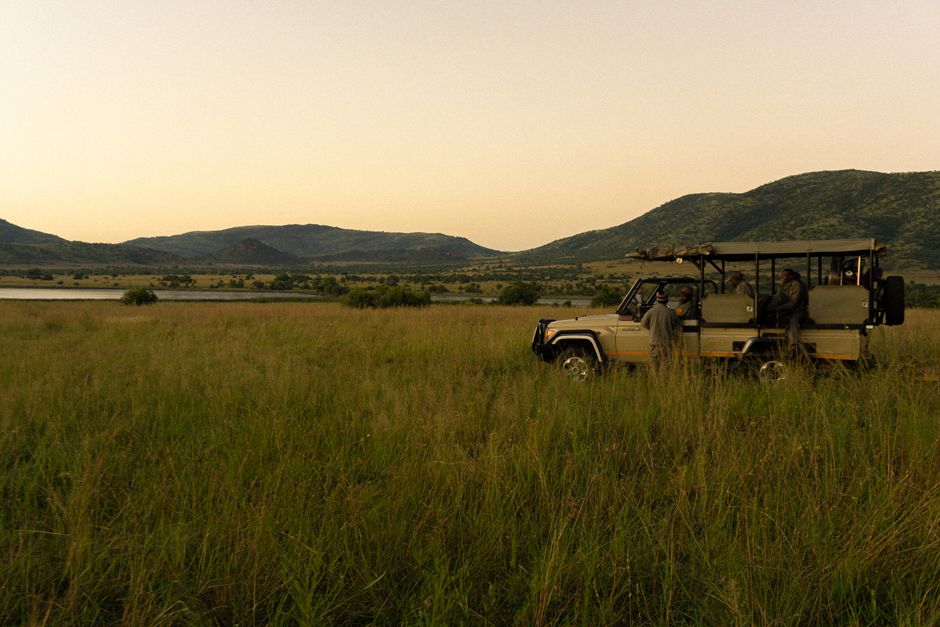
Listen for the rules of contact and positioning
A responsible guide briefing should be clear and repeatable. It isn’t about scaring guests; it’s about keeping everyone aligned when emotions run high.
Before the first sighting, your guide should cover how you’ll stay inside the vehicle, how to behave when buffalo are near, and what happens if the herd changes direction or shows signs of stress.
Pay attention to instructions such as:
- Remaining seated and keeping noise and movement low
- Keeping windows and doors handled only as allowed by the vehicle and guide
- Never trying to “get a better angle” by changing positions without permission
If any rule is vague (“be careful” without specifics), ask for a clearer explanation before you move on.
Key species cues: stress signals and calm behaviour
Cape buffalo can look steady and still be close to a threshold. Experienced guides watch for the transition from calm grazing to heightened alertness.
Common cues your guide may mention include changes in:
- Head and ear position (from relaxed feeding to intense attention)
- Body tension and sudden pauses in grazing
- Tail flicking or movements that suggest irritation
- Choreography of the herd (who leads, who clusters, and where the animals decide to go)
When you see these signals, don’t assume the animal will “work things out.” Instead, treat cue changes as instructions: follow your guide’s lead, and expect the plan to shift (including backing away).
Questions to ask before the first game drive
A strong operator will welcome questions and answer them in a practical, guest-friendly way. Use this short checklist during booking or at camp.
Ask these briefing questions:
- “How do you manage vehicle distance and spacing when herds are close?”
- “What signs mean the drive should stop approaching or should reverse/shift position?”
- “How do you handle multiple vehicles at one sighting?”
- “Who sets the rules on the day—guide, ranger, or operator—and how are they followed consistently?”
Even if you’re eager for an up-close moment, your goal is to understand the safety system behind it.
Vehicle Distance and Etiquette for Up-Close Viewing

What counts as ‘close’ and how it’s measured
“Up-close” does not mean you choose the distance. In responsible buffalo viewing, the distance is managed by guides and governed by what the herd can tolerate.
Instead of fixating on meters, focus on control and buffer. If the herd is comfortable enough to continue grazing while vehicles observe from an appropriate place, the viewing is happening in a low-pressure way.
Your responsibilities are straightforward:
- Stay within the position your guide approves
- Avoid actions that reduce the animals’ ability to move away (such as blocking a likely route)
- Keep the vehicle stable and predictable
If your guide indicates the herd is too close for comfort, treat it as a safety decision, not a missed opportunity.
Approach and departure etiquette
The smoothest buffalo encounters are usually the ones that look calm. That calm comes from discipline during both approach and departure.
Responsible approach usually means:
- Slow, controlled vehicle movement (no aggressive “creeping” forward to fill the frame)
- Short observation pauses to read the herd’s reaction before continuing
- Clear communication between guide and drivers when multiple vehicles are involved
Departure is equally important. If the herd shifts, stands, or starts to orient toward the vehicles with heightened alertness, your guide should decide whether to hold position briefly for safety—or withdraw early to avoid escalating tension.
One etiquette rule that never changes: when buffalo show irritation or uncertainty, the best viewing is the one that respects space.
When the sighting changes
There are times when a “perfect” sighting stops being perfect. That doesn’t mean the buffalo are being unpredictable; it means their behaviour has crossed a threshold.
If buffalo begin to move in a way that compresses space, or if a herd becomes defensive (or even just intensely focused on the vehicles), the etiquette is simple:
- Do not negotiate with the animal
- Follow the guide’s instructions promptly
- Expect the vehicle to reposition or leave the area
Also, remember that timing matters. Buffalo can move quickly once a decision is made. If you delay—because everyone is still watching or photographing—you risk turning a manageable viewing into a sudden scramble.
Choosing Operators Focused on Responsible Viewing
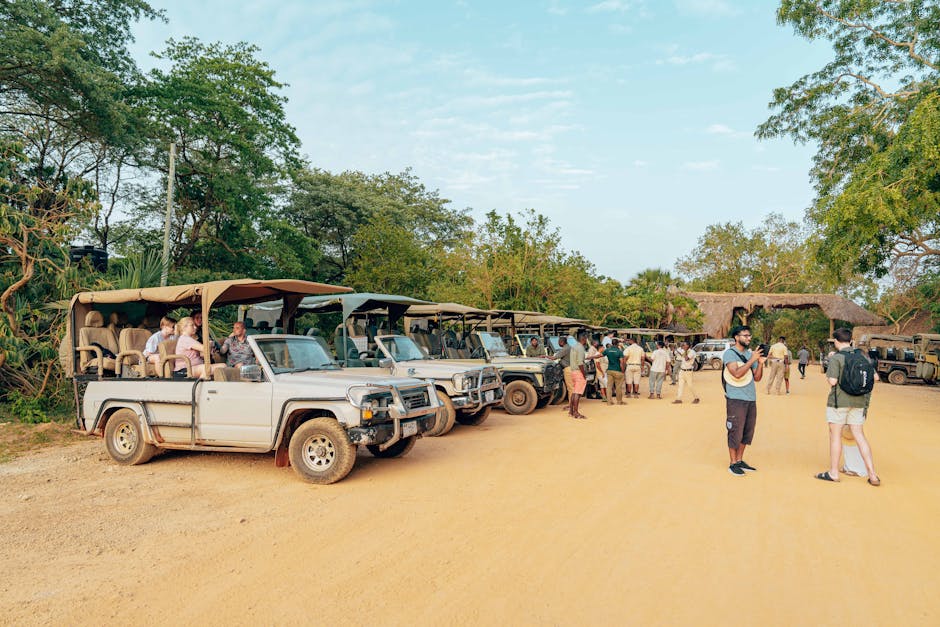
Credentials, rangers, and vehicle management
A responsible operator typically works within park or reserve rules, and it should be clear who is responsible for wildlife management in practice. In well-run areas, rangers and guides set encounter boundaries, and vehicles are managed to reduce crowding.
Look for signs of competence that go beyond promises:
- Guides who explain behaviour and safety clearly
- Drivers who follow the sighting plan without “chasing” angles
- Consistent vehicle spacing and controlled movement at sightings
If the operator treats buffalo like a photo prop rather than a living herd, that’s a warning sign.
Sighting limits and group spacing
For safe up-close viewing, spacing matters. Responsible guiding aims to keep the animals’ daily routine as intact as possible.
Good operator signals include:
- Not sending vehicles in packs to “claim” the best spot
- Reducing time spent at a sighting when it’s no longer helping the animal’s calm routine
- Rotating positions so one vehicle doesn’t repeatedly push into the herd’s comfort zone
If you’re told that the goal is “maximum closeness,” ask how they balance that with safety and with herd behaviour.
Written codes of conduct and community respect
Ethics isn’t only about animals; it’s also about how people and communities are treated around wildlife areas.
Choosing an operator that prioritises responsible viewing often means you’ll see evidence of a wider responsibility system, such as:
- Respect for local community rules and approved routes
- Training that includes wildlife welfare and guest conduct
- A willingness to cancel or reposition when conditions change
When buffalo viewing goes well, it feels unforced. That usually reflects a culture of restraint behind the scenes.
If you’re comparing itinerary options and need help matching dates to seasonal conditions, Viator can be a practical way to cross-check availability and read what operators include, then confirm the responsible-viewing approach directly with the provider.
Your Planning Checklist: From Season to Logistics
When to go for safer, predictable sightings
For Cape buffalo, “best season” is less about a single month and more about conditions that support predictable herd routines: water stability, vegetation patterns, and overall heat.
In broad terms, planning often works best when:
- Days are not so hot that buffalo are tightly focused on water with limited tolerance
- Roads and access are safe and workable for safari vehicles
- Your operator can stay flexible if the herd’s behaviour changes
If you’re unsure, ask your operator how they adjust daily plans based on where buffalo are feeding and watering. A good team will describe approach decisions in behaviour terms, not just “we guarantee sightings.”
What to pack for comfort and low-impact viewing
You don’t need elaborate gear to enjoy buffalo safely, but comfort improves focus—and focus improves responsible behaviour.
Pack like a pro:
- Neutral-coloured, long-sleeve clothing and a light layer for early mornings
- Binoculars or a camera with a comfortable strap and stable support
- Sunscreen and a basic hydration plan
- Closed-toe footwear suitable for game-drive vehicles and lodge walks
- Insect protection appropriate for the region
Keep your essentials organized so you’re not rummaging around during a sighting. And avoid anything that creates noise or distraction.
How to prepare in advance (and when to book)
Safe up-close viewing depends on more than arrival-day luck. It relies on consistent guiding, mature decision-making during sightings, and enough time to observe without pressure.
To make your plan stronger:
- Book an itinerary that allows multiple game-drive opportunities rather than only one
- Choose a schedule that supports patience at waterpoints
- Plan to arrive rested, especially if drives start early
If you’re selecting between options in South Africa, prioritise operator culture and guide quality over “distance bragging.” The safest memorable sightings often happen when buffalo are allowed to be buffalo, and when you accept that sometimes the best move is to observe from slightly farther away.
By following these steps, you’ll build a Cape buffalo safari plan that supports wildlife welfare and your own safety. Target the habitat where herds naturally spend time, trust the guide briefing, keep disciplined vehicle etiquette, and select operators that manage encounters responsibly. The result is a viewing experience that feels close because you’re watching carefully, not because you’re pushing boundaries.
Leave a Reply