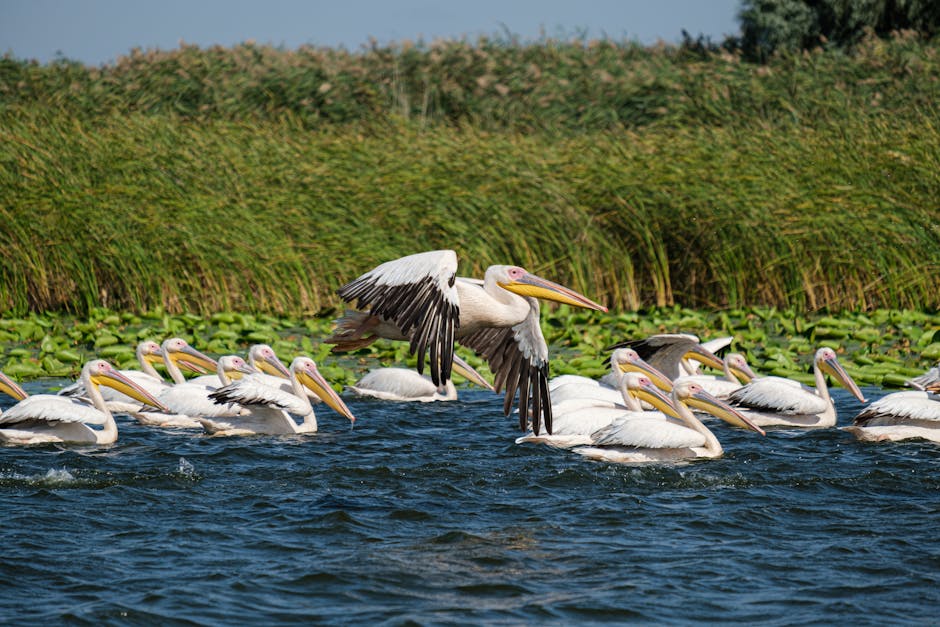
If you're a birding enthusiast, then you know that Africa is a paradise for birdwatching.
Are you planning your Malawi safari around wetland birds and wildlife nights near Lake Chilwa National Park? This guide focuses on where to stay so you can reach the reedbeds at dawn without stressful transfers, and still keep evening return plans realistic.
Along the way, you’ll get practical advice on seasonal timing, what “close enough” really means for birding routes, and how to prioritise wildlife welfare, safety, and respect for local communities during night walks.
Choosing the Right Base for Dawn Reedbeds and Night Walks

Work backwards from sunrise
The most successful birding trips start the night before. When you choose where to stay, begin by working backwards from dawn: how long it takes to get from your bed to the reedbeds, whether you’ll arrive before light is good, and how easily you can move with a guide in low visibility. For Lake Chilwa, dawn matters because waterbirds begin feeding and calling early, and many of the best viewing angles are only practical when you’re not rushing.
If your base requires a long drive right at sunrise, your trip may end up spending more time in transit than with binoculars. Aim for accommodation that keeps you close to your agreed access point for the reedbeds, ideally so the transfer is short and doesn’t force an early wake-up that leaves you unprepared.
Keep evening logistics simple
“Wildlife nights” can include different activities depending on the guide and conditions, but the common goal is to be out when the atmosphere changes after sunset. A base that forces late returns—via long, dark roads or difficult crossings—makes it harder to stay patient and safe.
Instead, prioritise places where you can keep the evening plan flexible: a short guided night walk, a calm return, and enough time to rest for the next morning’s birding. This is also where wildlife welfare benefits: fewer hurried movements often mean calmer wildlife responses and safer viewing distances.
Season shapes your access
Lake Chilwa’s wetlands change with the seasons. Water levels influence where birds concentrate, which reedbed edges are most productive, and whether shoreline movement is comfortable at night. When conditions make certain routes tricky, guides may adjust timing or viewing spots. Choosing a base that’s easy to reach in both good and challenging conditions helps you adapt without scrambling.
Where to Stay Near Lake Chilwa National Park: Practical Options

1) Park-edge lakeshore guesthouses
Staying at or near the national park boundary is usually the best fit for wetland birding and after-dark activities. Park-edge lakeshore guesthouses (often small, locally run places) tend to reduce transfer times, which makes it easier to reach the reedbeds in the low light that birders want.
This option also supports better wildlife handling: when everyone is walking short distances rather than travelling long ways in darkness, it’s easier to keep night walks quiet and controlled.
2) Balaka town stays (for reliable services)
If you want more choice in meals, transport arrangements, and practical comforts, Balaka can work well as a base. It’s a useful option when you prefer to consolidate planning in the evening and set off with your guide early the next morning.
For your itinerary, look for accommodation that can handle early departures smoothly and still allow a reasonable evening return for night activities. Even if the drive is longer than a park-edge base, the right setup can still keep dawn birding productive.
Booking.com can be helpful for checking what’s available in Balaka during your travel window.
3) Blantyre town stays (good for connections)
Blantyre is often a convenient starting point for travellers coming from regional transport hubs. Choosing a Blantyre base can make sense if you’re also combining Lake Chilwa with other parts of Malawi, but it requires careful planning so transfers don’t steal your most valuable dawn minutes.
To make this option work for birding, confirm the logistics for reedbed access in advance, and ensure you can arrange a guide-led schedule that doesn’t feel rushed. For wildlife nights, prioritise accommodation that doesn’t require complicated late-night navigation.
4) Lower Shire region lodging (as a flexibility option)
For some itineraries, lodging in the Lower Shire region can provide flexibility, especially if you’re building a longer route across southern Malawi. This can be a practical plan B if park-edge options are limited during your dates.
The key is to keep transfers realistic. If you’re planning frequent early reedbed starts and at least one evening night walk, choose lodging that minimises time spent in the car during darkness and preserves a calm, safety-first rhythm.
Wetland Birding from Dawn to Mid-Morning

Arrive early enough to “read” the habitat
For wetland birds, the habitat is part of the identification. Reedbeds, open water edges, and shallow feeding zones can change how birds appear in the scope. To make the most of your stay, time your arrival so there’s enough light to scan methodically rather than simply chasing movement.
A good guiding team can position you along productive edges and help you understand patterns: where birds feed, where they rest, and how they move when disturbed. Your base choice matters because it determines whether you can focus on birding once you reach the reedbeds.
Use the season, not just the hour
Wetland birding near Lake Chilwa is tied to seasonal water conditions. In wetter periods, birds may spread through broader wetland zones, while drier conditions can concentrate activity around more limited areas. Rather than expecting the same “exact” mix every morning, aim for consistency in technique: early arrival, steady observation, and responsiveness to guide-led adjustments.
If your travel dates allow it, consider staying long enough for at least a couple of dawn sessions. Two mornings can reveal different feeding patterns even when the overall area looks similar.
Expect a steady rhythm of wetland specialists
Lake Chilwa’s birdlife is shaped by reedbeds and shallow water edges. You’ll commonly spend time watching herons and egrets as they stalk along margins, kingfishers where there are suitable perches over water, and other wetland species that move between feeding and roosting areas.
To maximise your success, plan for quiet, careful scanning rather than constant repositioning. Moving often can disturb birds and also makes it harder to enjoy the habitat details that later help with identification.
Night Walks and Wildlife Welfare: Staying Safe, Quiet, and Respectful

Choose guided routes that match the conditions
Night wildlife viewing is best when it’s structured. A guide who knows where wildlife is likely to be active, and how the ground feels after dark, helps keep you safe and reduces the chance of trampling sensitive wetland areas.
Before you go, confirm the format: how long the walk will last, whether it’s focused on listening and calling, and where you’ll stop for viewing. When night walks are feasible, they usually remain calm and controlled rather than turning into a rushed search.
Keep your distance and protect breeding and resting areas
Good night etiquette is about limiting disturbance. Avoid shining lights directly at animals for extended periods, and keep head movements slow so birds and other wildlife don’t react to sudden changes. If the guide asks you to pause, it’s usually for a reason.
This is also when wildlife welfare overlaps with community respect. Reeds, shoreline edges, and paths can be shared spaces with local livelihoods. Staying quiet, moving only when instructed, and leaving everything as you found it helps protect both habitat and relationships.
Safety rules for night walks
- Use a guide’s route and timing; don’t improvise shortcuts in the wetland.
- Keep noise low and follow instructions for spacing so wildlife and people remain unpressured.
- Wear footwear with reliable grip and be prepared for uneven ground.
- Avoid flash photography; use low-impact lighting only when needed.
Planning Your Lake Chilwa Stay for the Best Dawn and After-Dark Outcomes
Build an easy day flow around birding
When you’re aiming for reedbeds at dawn and wildlife nights afterward, a realistic daily rhythm matters. Design your days so you’re not constantly “turning over” logistics between sessions. A stay that supports late mornings or rest time after a dawn outing can make evening plans more enjoyable and safer.
In practice, that often means choosing a base where you can return quickly after dawn birding, freshen up, and then meet your guide again for an evening plan.
Match your clothing and comfort to the habitat
Even if you’re not packing for extreme weather, wetland environments can be humid and unpredictable, especially near water. Comfortable layers that you can adjust as the morning cools and the night settles help you stay focused while standing still for long observations.
For night walks, warm layers and reliable footwear are especially important. Comfort translates into better wildlife viewing because it reduces fidgeting and helps you keep your attention steady.
Ask the right questions before you commit
The best stay for your trip is the one that aligns with your exact schedule. When contacting accommodation, ask whether they can support early departures for reedbed access, whether guides can meet you directly or whether you’ll need additional transfer time, and how they handle night return expectations.
Also ask about how conditions affect access. If water levels or ground conditions change the viewing approach, you want a base that won’t add complexity.
Overall, the ideal place to stay near Lake Chilwa National Park is the one that shortens your dawn transfer, keeps night plans calm and feasible, and lets your guide focus on wildlife welfare rather than time pressure. Once the logistics are right, the reedbeds and the after-dark sounds of the wetlands become the main event.
Leave a Reply