
If you want wildlife drives and riverbank excursions to fit together smoothly, your choice of base matters as much as the safari itself. When you stay in the right town, you spend less time on the road and more time watching elephants, hippos, and crocodiles where they actually show up.
This guide helps you plan where to stay in Sudan and Senegal for savanna wildlife and river access. You’ll find the best regional base towns, what each area is best for, and realistic overland travel expectations to nearby parks and river corridors.
Because wildlife viewing depends on responsible operators and current access conditions, the guide also includes practical welfare and safety pointers, especially where security or permits can affect travel in Sudan.
Choosing the Right Base in Senegal

Niokolo-Koba: Savanna wildlife from Tambacounda
Niokolo-Koba National Park is one of Senegal’s strongest options for savanna wildlife drives. For most travellers, Tambacounda is the practical base: it’s large enough to organise guides and vehicles, but still close enough for full or partial game-drive days.
From Tambacounda, expect the road into Niokolo-Koba to be a longer day trip rather than an easy hop. Depending on the entry point and where your lodge is located, planning for roughly half a day to a full day of driving (plus time for park procedures) makes the schedule realistic. Once inside, focus on the savanna habitats and river-adjacent areas where animals concentrate when water is more reliable.
Saint-Louis and the Djoudj area: River scenery with wildlife options
If your priority is river access, Saint-Louis is the base that connects you to both river scenery and wildlife-focused outings. Djoudj National Park (often paired with birding and calm-water boat routes) is a common destination from here. Overland transfer times are usually manageable, with roughly an hour or two of driving to reach the access points, then additional time for boat or track-and-walk activities.
Saint-Louis also works well if you’re looking for softer, scenic riverbank time. Langue de Barbarie is another area travellers often use for low-impact shore viewing, especially when you want to step out for short wildlife observation breaks without changing your whole day.
Dakar and nearby reserves: Short drives for a full safari feel
Not everyone wants to start their trip deep in the bush. If you’re beginning in Senegal and want a reserve outing early (or you have limited time), Bandia Reserve is a common starting point from Dakar. The overland transfer is typically about an hour or so, making it a good option for a morning game drive or a half-day wildlife outing.
Bandia is not a substitute for large national parks, but it’s ideal for getting a feel for tracks, watering points and typical safari rhythms before heading to larger areas like Niokolo-Koba.
Accommodation searching tip: For city-to-park logistics in Dakar, Tambacounda, or Saint-Louis, Booking.com is often used to compare areas and transport time windows before you commit to a specific lodge.
Base Towns for Sudan’s River Corridors and Savanna Areas
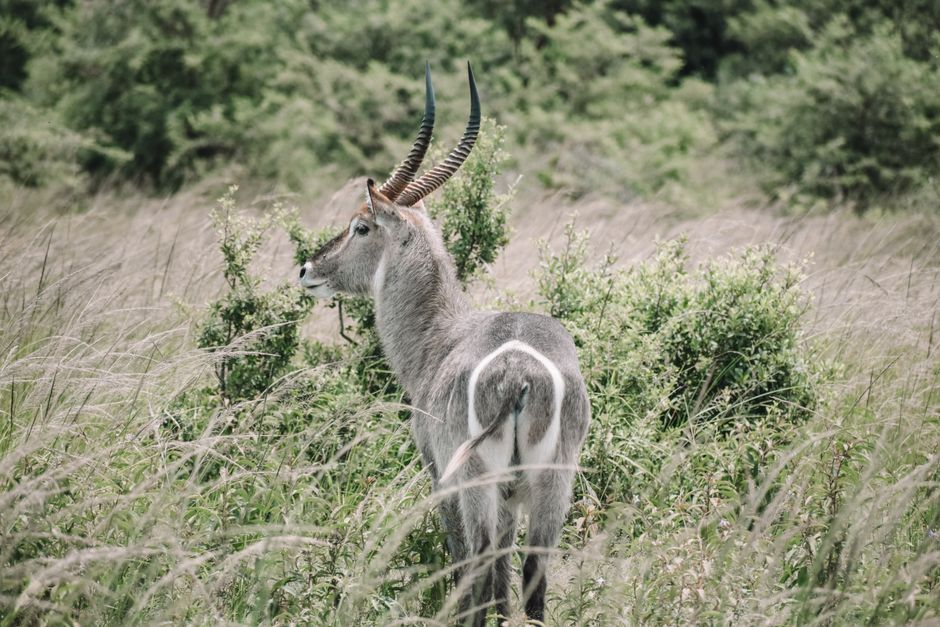
Khartoum: River access with a bird-and-wetland focus
For river time in Sudan, Khartoum is the most straightforward base in terms of services and day-trip possibilities. While many savanna-heavy wildlife drives depend on being closer to specific protected areas, Khartoum is useful for time on the Nile and for arranging guided outings that concentrate on wetlands and river-edge viewing.
Expect day access to depend on seasonal water levels and operator planning. The benefit of staying in a major city is that it’s easier to adjust your schedule when weather or permissions change.
Ed Dinder: The practical gateway to Dinder National Park
For savanna wildlife drives tied to river systems, Dinder National Park is the key name. Ed Dinder (and nearby towns used for transfers) is often the practical launch point because getting to the park involves longer, route-dependent travel.
Drive time here is harder to pin down than in Senegal, because road conditions, checkpoints, and internal travel permissions can affect travel days. A realistic approach is to plan for a multi-stage transfer: a long overland journey to reach the park area, then a shorter final approach once access points are confirmed. Build at least one buffer day so you’re not forced to cut game-drive hours or river access short.
Managing access and safety in Sudan
Sudan travel planning needs extra care. Conditions can change quickly, and wildlife access is tightly linked to permits and the feasibility of road travel. Before choosing a base town, check current government travel guidance and confirm with your chosen guide or lodge that they can legally and safely operate from your intended starting point.
In practical terms, this means:
- Build flexibility into your itinerary so a change in access doesn’t strand you far from key areas.
- Ask about park-entry timing, guides’ local routes, and whether river excursions are running under current conditions.
- Treat wildlife viewing as secondary to safety and legal compliance; no sighting is worth taking risks on unfamiliar routes or in prohibited areas.
What Your Day Looks Like: Drives, River Excursions, and Wildlife Viewing

Savanna game drives: How to structure productive days
Whether you base in Tambacounda for Niokolo-Koba or plan your approach to Dinder, the best days share a similar structure: start early, drive with intention, and leave time for quieter observation stops.
In savanna parks, wildlife often concentrates around water and seasonal green-up. That means game drives that align with morning and late-afternoon light usually deliver better viewing opportunities than midday-only schedules. If you’re staying in or near the park area, it’s also easier to do a second short drive later in the day, rather than forcing a single long session.
Riverbank excursions: Boat time and shore viewing
River access adds variety, and it also changes what you might see. Along riverbanks and floodplain edges, animals may approach the water in predictable windows, particularly when temperatures rise.
Boat trips can be especially effective for quiet observation, but they’re also where disturbance risk is highest. Choose routes and landing behaviour that keep noise low, avoid blocking animals’ escape paths, and respect any local rules about riverbanks and fishing zones.
Pairing sightings with low-impact viewing
For animals like elephants, hippos, and crocodiles, the most enjoyable viewing often comes from distance, patience and good timing. A responsible guide will keep vehicles parked or moving slowly, avoid sudden stops, and never pressure animals into changing direction.
On the river, the same principle applies: stay within your designated viewing areas, avoid repeated crossings near basking animals, and ensure crew and passengers understand basic wildlife etiquette before setting off.
A good day isn’t defined by how quickly a guide finds wildlife. It’s defined by how calmly animals are left to behave naturally while you watch them at a respectful distance.
Staying in Style Without Disturbing Wildlife

Lodge location: Time on the road should not replace time outdoors
The best places to stay are often the ones that shorten your transfers. A lodge that’s closer to a park gate or a river access point can make it easier to do one full viewing window and one softer window, instead of trying to compress everything into a long drive.
When choosing accommodation, prioritise practical factors that affect wildlife welfare: vehicle access for early starts, guides who understand how to minimise engine noise, and whether the property supports low-waste operations during peak visitor times.
Ethics on land: Vehicle distance and calm observation
On savanna drives, wildlife welfare is closely tied to driving style. Choose operators that avoid crowding around sightings, keep a consistent gap from animals, and respect when an animal shows signs of stress.
A helpful rule of thumb is this: if the environment begins to look like it’s being reorganised around the vehicle rather than around the animal, it’s time to reposition or move on.
Ethics on the water: River etiquette that protects both wildlife and people
River corridors aren’t only wildlife space. They’re also livelihoods and transport routes for local communities. When arranging riverbank excursions, ask how the activity avoids interfering with fishing, reduces shoreline trampling, and handles waste.
If a camp or operator provides guides from nearby communities, it often improves both safety and context: you’re more likely to understand which river sections are appropriate for landing, and how to observe without damaging river-edge habitats.
When to Travel and How to Plan for Smooth Drives and River Time
Seasonal timing for Senegal: Rain patterns and water reliability
Senegal’s best wildlife viewing and best river experiences often overlap, but not always in the same way. During wetter periods, some tracks can become slower and certain access routes may require more planning. In drier periods, animals tend to gather around the more reliable water sources, which can improve game-drive viewing.
For river outings around the Djoudj and Senegal River areas, seasonal water levels affect boat access and the best shore-viewing angles. Planning around the rhythm of water rather than only calendar dates usually leads to a better mix of wildlife and comfort.
Seasonal timing for Sudan: Water levels and overland feasibility
In Sudan, river conditions influence both wildlife movement and how realistic certain excursions are. When water is high, some wildlife viewing along river edges can become more productive, but travel routes can also become more complex depending on what’s passable.
In practice, this means you should treat seasonal planning as a negotiation between wildlife opportunities and safe transport. Build extra time for transfers, and plan to switch from river-based outings to savanna drives (or vice versa) if conditions change.
Questions to ask before you commit
To keep expectations realistic, use a checklist when selecting your base town and your operator.
Ask about:
- Where your vehicle can start from each morning, and how long the approach to the park gate typically takes.
- Whether river excursions are day trips only or include boat time, and what the landing and wildlife-watching rules are.
- How the lodge manages waste, vehicle noise, and guest behaviour near riverbanks.
If you’re using Viator to compare day-trip styles from major towns, treat it as a way to shortlist experiences, then confirm the local operator’s wildlife-welfare approach and the exact access points before finalising.
Overall, choosing where to stay in Sudan and Senegal should start with how you want to split your time: savanna drives from towns like Tambacounda or the approach towns linked to Dinder, and river access from bases such as Saint-Louis or Khartoum. With a realistic view of road time, a flexible schedule, and operators who prioritise calm, legal wildlife viewing, you get more meaningful encounters while keeping animals, habitats, and local communities respected.
Leave a Reply