
If you’re planning game drives near Addo Elephant National Park, then you know that the best stays help you reach prime routes quickly.
This guide walks you through the lodge areas that minimize drive time to the main entrances, explains how to match where you sleep to the elephant-viewing route you want, and shares practical advice for safer, more respectful wildlife encounters.
Addo is a big park by African standards, but its elephant activity is predictable enough that good logistics can make a real difference. With the right base, you spend more time in the vehicle watching elephants and less time watching the road.
Where to Stay for the Fastest Access to Addo’s Gates

In most itineraries, the “closest” option is not a single lodge, but the area you choose relative to:
- the inland entrance near Addo (often used for the Zuurberg-facing part of the park)
- the coastal/Colchester-side entrance that accesses the park’s lower, greener habitats and river-adjacent zones
Because game drives usually happen during daylight, getting to the entrance sooner helps you avoid late starts, missed sightings at the start of the drive, and rushed check-in routines.
Why shorter drives improve elephant viewing
Elephants may roam widely, but they’re also drawn to resources such as water, browse, and calmer movement corridors. The practical takeaway is simple: if you can reach the main entry point early, you’re more likely to catch elephants moving into view before the day heats up.
Shorter drive time also gives you flexibility. If the ranger team directs vehicles toward an active area, you’re there quickly. If visibility is patchy, you can return later the same day without sacrificing another full drive.
A note on road conditions and timing
The park’s interior roads can vary from smooth stretches to rougher sections, and the route you take depends on where elephants are concentrating. Staying closer to the entrance doesn’t remove road variability, but it reduces how much impact that variability has on your total time in the sighting areas.
Best Lodge Areas for Elephant-First Game Drives
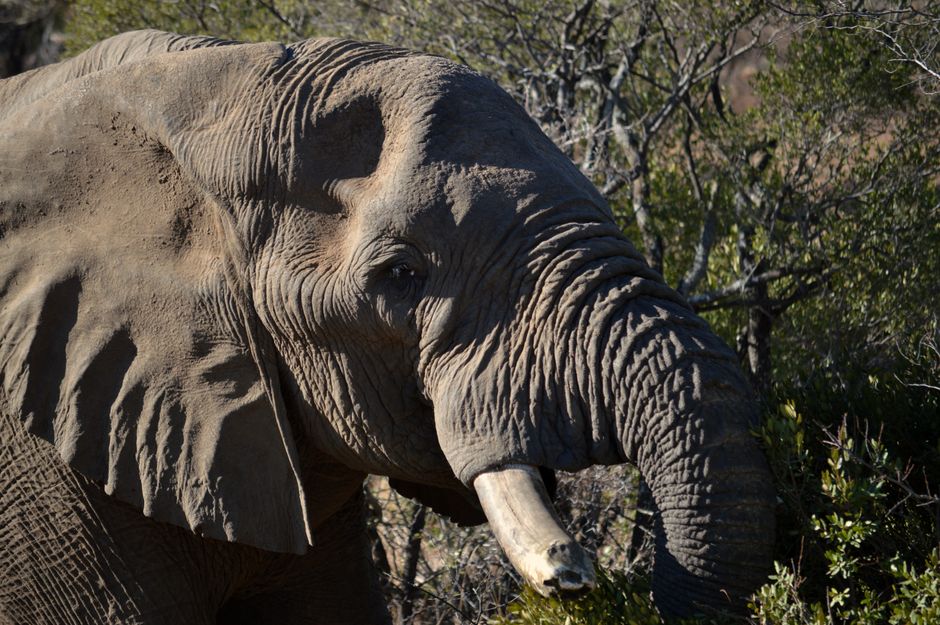
- Addo Main Camp area (inside the park)
- Colchester Rest Camp area (inside the park, coastal side)
- Addo village and the Main Gate lodge belt (outside the park, inland side)
- Kirkwood (for Zuurberg-facing drives and longer morning starts)
- Colchester / Sundays River Valley (for coastal-side viewing routes)
- Gqeberha (Port Elizabeth) and the wider metro (best for short stays with early departures)
Addo Main Camp area: maximum time in the field
Staying inside Addo Elephant National Park at Addo Main Camp typically suits travellers who want to reduce travel friction to nearly zero. That means:
- fewer transfer delays between meals and the next drive
- easier early starts when the day is cool and visibility is best
- more time for a longer first drive, rather than squeezing in a late one
This base generally pairs well with elephant-focused circuits in the inland, more elevated habitats where elephants move between browse and water sources.
Colchester Rest Camp area: ideal for the coastal-side rhythm
If your goal is to spend time in the park’s more river- and coastal-influenced habitats, the Colchester Rest Camp area can be a strong match. The advantages often come from how your day can be structured around morning and late-afternoon drive windows.
Expect routes that can feel greener and more varied, with elephants sometimes seen along natural corridors leading toward watering and feeding areas. This area can also be a good choice if your itinerary includes drives that connect with the coastal landscape.
Addo village and the Main Gate lodge belt: close, convenient, flexible
For many travellers, staying just outside the park at Addo village is the sweet spot between convenience and variety of accommodation styles. You usually get:
- short drives to the inland entrance
- the option to return for a mid-day break without losing a major portion of a drive window
- easier logistics if you’re coordinating multiple game drives across two or three days
This base is a practical choice if you want to concentrate on elephant viewing without dedicating every hour to driving.
Timing and Routes for Elephant Viewing in Addo
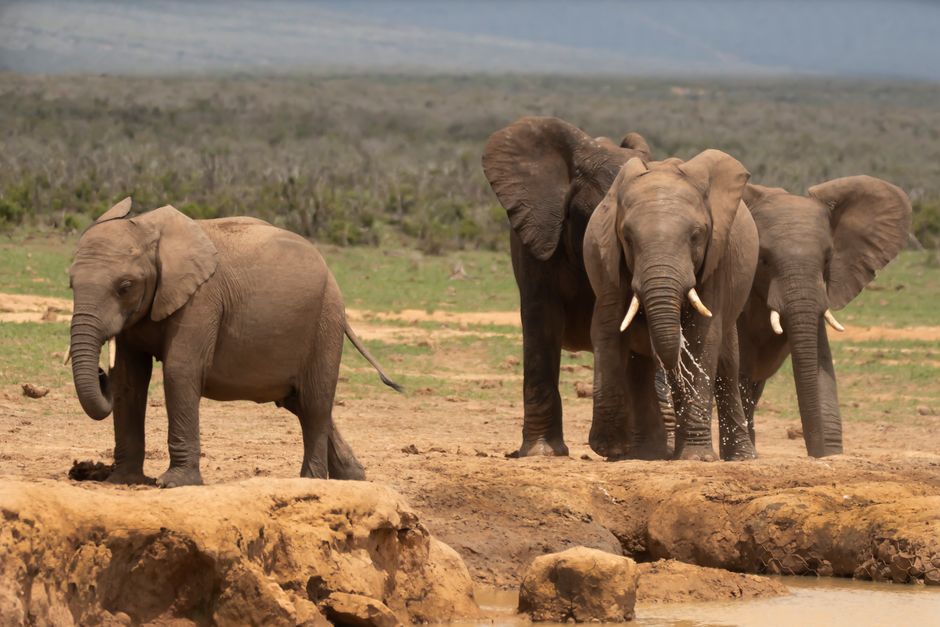
A common strategy is to plan for:
- an earlier morning drive when visibility is often good and animals may be more actively moving into feeding areas
- a late-afternoon drive when temperatures soften and elephants may shift between cover and open feeding spots
Starting earlier also gives your guide the ability to follow ranger updates without turning the drive into a chase.
How habitats shape your best viewing routes
Elephants don’t move randomly across a reserve, and Addo’s different habitat types influence where you’re likely to find them. In practice, this means that your best “route” isn’t a fixed map line—it’s a set of likely corridors your guide will work from.
- Inland, more elevated zones can bring you closer to browse-rich movement patterns.
- Coastal-side and river-adjacent areas can concentrate elephants around water access points and greener feeding zones.
If you’re staying near the inland entrance, you can spend more time working one habitat band thoroughly before switching. If you’re based on the coastal side, you may benefit from planning your drives around routes that your guides describe as “water-and-browse loops.”
Waterpoints, browse, and “active areas”
The most productive viewing tends to happen around places where resources overlap. Even when you can’t predict the exact elephant position, you can predict the resource pattern.
A good guiding approach on elephant days is to combine:
- a slow search during the first half of the drive
- a targeted check of known activity zones once ranger information suggests a likely direction
- time to sit patiently rather than rushing forward at every change in the landscape
This is where staying close to the entrance really helps: you can dedicate enough time to waiting for sighting windows rather than turning the drive into a rapid circuit.
Wildlife Welfare and Safety on Elephant Game Drives
When elephants are calm and feeding, the temptation is to “get closer for a better look.” The responsible approach is to get the view you need from where you can remain respectful and compliant.
Drive and vehicle etiquette around sensitive situations
Elephants may be protecting calves, responding to a threat, or changing direction quickly after drinking or feeding. If you notice signs such as sudden head changes, increased alertness, or movement that looks purposeful rather than relaxed, the safest choice is to slow down, increase spacing, and let your guide reposition only if it’s clearly appropriate.
Also keep in mind that dust and noise can matter. Smooth driving, quiet conversation, and minimal engine revving help everyone—including the elephants—stay calmer.
Respect the park and surrounding communities
Addo’s wildlife success is closely linked to conservation management, and that includes the behaviour of visitors on roads and at viewing areas. Avoid off-road driving, resist crowding around sightings, and treat guides and staff with respect.
If your base is outside the park, choose accommodations that support local employment and responsible operations. Small choices, like using local transport services and buying locally made crafts where available, help keep benefits in the region.
Planning Your Stay for Easier Game Drives Near Addo
Match your accommodation to your drive plan
Once you know which entrance you’ll use most, your accommodation choice becomes simpler.
- If you want mostly inland viewing, prioritize the Addo village/Main Gate belt or in-park Addo Main Camp.
- If you want coastal-side routes and greener habitat viewing, prioritize the Colchester Rest Camp area or lodges in the Colchester/Sundays River Valley region.
- If your time is limited, it may still be worth staying in Gqeberha for fewer nights, but only if your itinerary accounts for early departures and realistic return times.
The goal is a day schedule that leaves enough calm buffer for wildlife encounters, rather than one that runs on tight transfers.
Build in downtime so your sightings don’t feel rushed
A good game-drive plan includes rest between drives. Mid-day heat can affect both people and wildlife movement, and forcing back-to-back long drives can reduce your attention when elephants appear.
Aim for a rhythm where you return for meals, hydrate properly, and take a slower afternoon if you’ve had an earlier rewarding drive.
Booking basics and what to look for when choosing a lodge
Accommodation varies widely around Addo, so it’s worth filtering for features that support smooth wildlife days. Pay attention to:
- the time it takes to reach the entrance you plan to use
- whether check-in, parking, and transfers are straightforward for early starts
- quietness at night, especially if you’ll get up early
When dates and availability matter, Booking.com can be a practical way to compare options close to the entrance areas and read guest policies.
Overall, choosing a lodge base with short, predictable access to the entrance that matches your intended viewing routes is one of the simplest ways to improve elephant sightings in Addo. Pair that with patient drive pacing, correct vehicle etiquette, and a schedule that gives you time for calmer viewing windows, and your trip becomes less about racing daylight and more about enjoying the elephants as they move through the park.
Leave a Reply