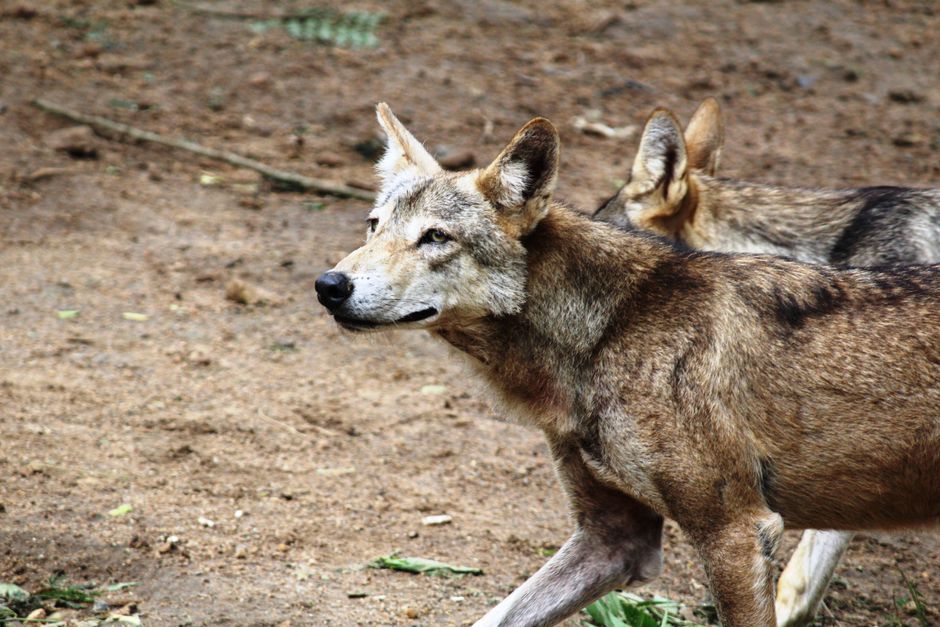
If you're a birding enthusiast, then you know that Africa is a paradise for birdwatching. In Ethiopia’s Bale Mountains, that birding promise pairs with another major draw: the chance to see Ethiopian wolves hunting in the highlands.
This guide focuses on the best places inside Bale Mountains National Park to target both Ethiopian wolves and endemic birds, with a practical route you can shape around early-morning wolf-habitat visits and the highland zones where endemics are most consistent. Along the way, it covers how to view wildlife without disturbing it, how to move through the park responsibly, and how to plan your days so you spend your best energy where it counts.
Bale Mountains Ecology: Why Wolves and Endemic Birds Coexist
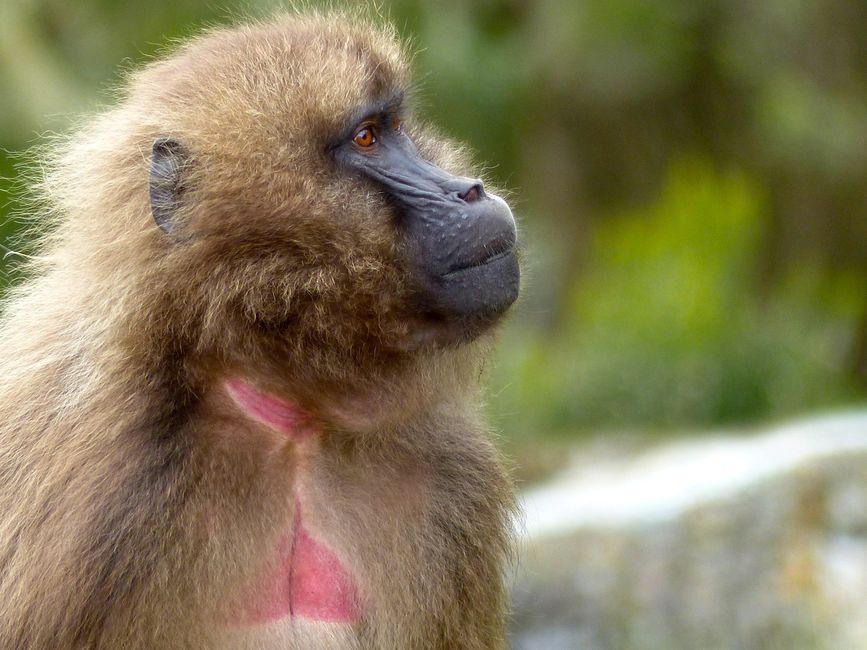
Afroalpine moorlands and the wolf’s daily routine
Ethiopian wolves depend on open, high-altitude habitats where prey is active and visibility is good. In Bale Mountains, that means the afroalpine belt above much of the surrounding landscape. These moorlands and grass-dominated slopes create the conditions where wolves can hunt efficiently and where visitors can often observe them from a respectful distance.
Because wolves are strongly tied to feeding times, timing your visit to the start of the day is a major part of success. Early light can also improve your spotting odds, since damp air and low glare tend to reduce harsh shadows compared to later hours.
Highland birding zones shaped by altitude and vegetation
Bale’s endemic birds are influenced by the mix of afroalpine grassland, montane woodland, and forest-edge habitats. That matters for reliability: some species are most responsive in open, windy highlands, while others favour thick cover, sheltered gullies, or specific montane vegetation types.
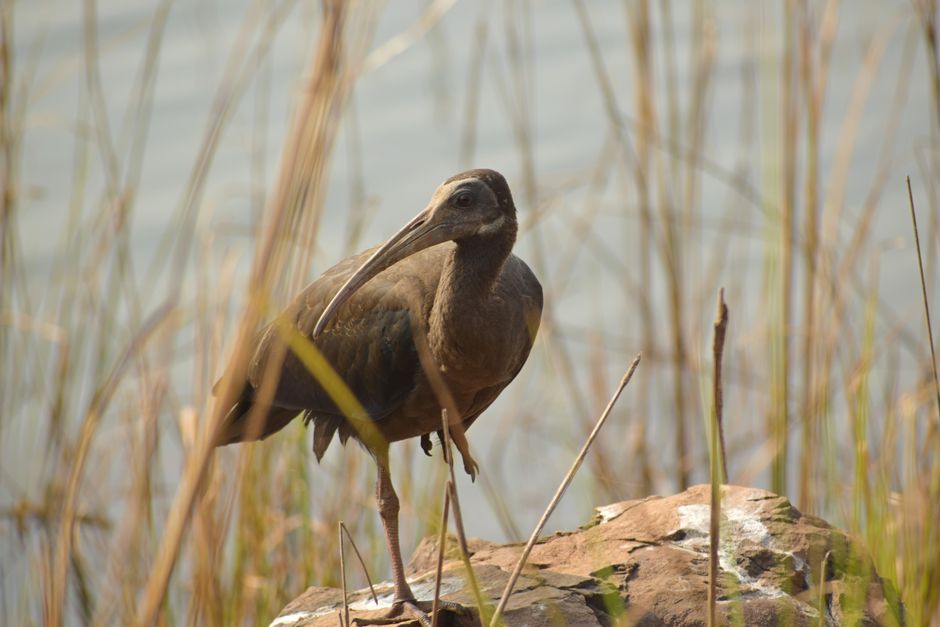
Two species that often sit at the top of travellers’ lists are the wattled ibis, which is strongly associated with highland wetlands and grassland areas, and the Ethiopian bush-backed chat, which is linked to montane thickets and edge habitats. In both cases, the “where” is just as important as the “when”.
What “endemic” usually means for your itinerary
Endemic birds are not evenly distributed across a landscape. Instead, they cluster where habitat conditions match their needs, such as particular plant communities, food availability, and microclimates. Bale is large, and a productive itinerary usually works by focusing on a small number of zones rather than trying to cover everything in one or two long days.
Best Places to Prioritise in Bale Mountains National Park
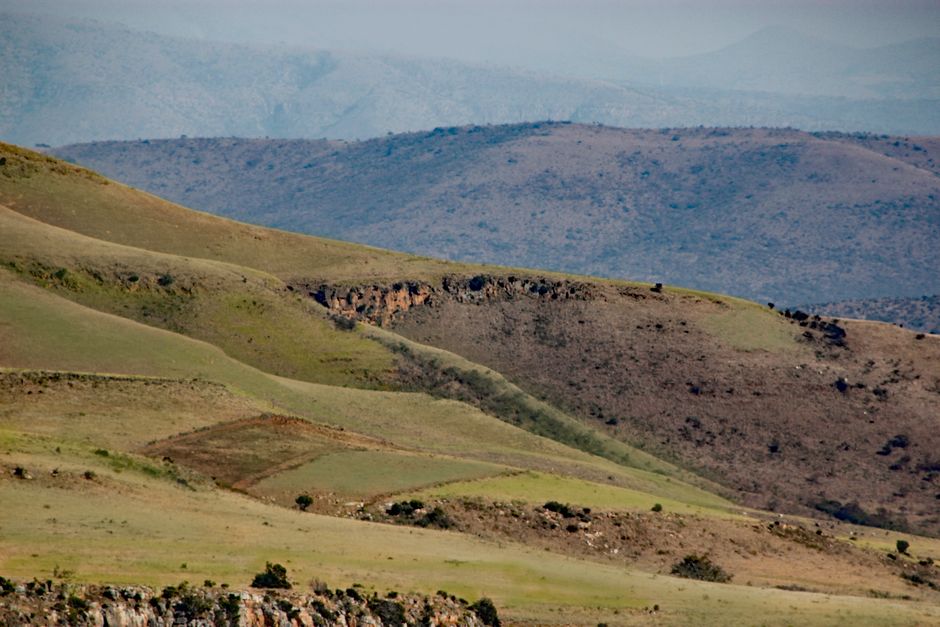
The five zones that make the biggest difference
If you’re routing your trip for both wolves and endemics, these are the most useful focal areas to build your days around:
- Dinsho area (gateway region for highland habitat)
- Sanetti Plateau (core afroalpine wolf territory)
- Gaysay Valley (open moorland and adjacent slopes)
- Web Valley (highland habitat with strong birding potential)
- Harenna Forest (lower-elevation forest and edge habitats)
Dinsho area: a practical base for early starts
The Dinsho area is often the launching point for visits into higher terrain. It’s especially helpful for wolf-focused days because it reduces travel time before dawn. Birding from this region can also be productive, particularly during the day when you’re shifting from wolf time into endemic bird time.
Look for habitat transitions here: areas where grassland meets scrub or where drainage lines cut through higher ground can be good for spotting movements and listening for calls. Even when the main targets are in higher zones, the approach routes often offer useful bird activity.
Sanetti Plateau and Gaysay Valley: the highest odds for Ethiopian wolves
Sanetti Plateau is widely regarded as one of the key places to find Ethiopian wolves, since the terrain matches the afroalpine conditions wolves favour. Gaysay Valley complements this, with open moorland and slopes where wolves may appear during hunting windows.
For birders, these same highland zones can hold endemic birds, but the emphasis is often different. In open country, watch for patterns: ibises and other highland birds can show up where water or damp ground intersects the grassland. The closer you get to the correct habitat type, the more likely the “right” calls and movements will appear.
Web Valley and Harenna Forest edges: targeting endemics beyond the plateau
Not every endemic responds best in the most open landscapes. Web Valley can be especially relevant for birdwatchers who want chances at highland species that prefer sheltered cover or different vegetation structure than the plateau moorlands.
Harenna Forest, on the other hand, adds variety. It’s a reminder that Bale’s endemic story isn’t only about the highest altitude. Forest edges and lower-elevation habitats can support different bird communities and can help balance a trip that otherwise concentrates only on the afroalpine belt. It also helps keep your itinerary realistic, since weather and visibility can change quickly at the top.
When to Go: Building a Dawn-to-Day Route
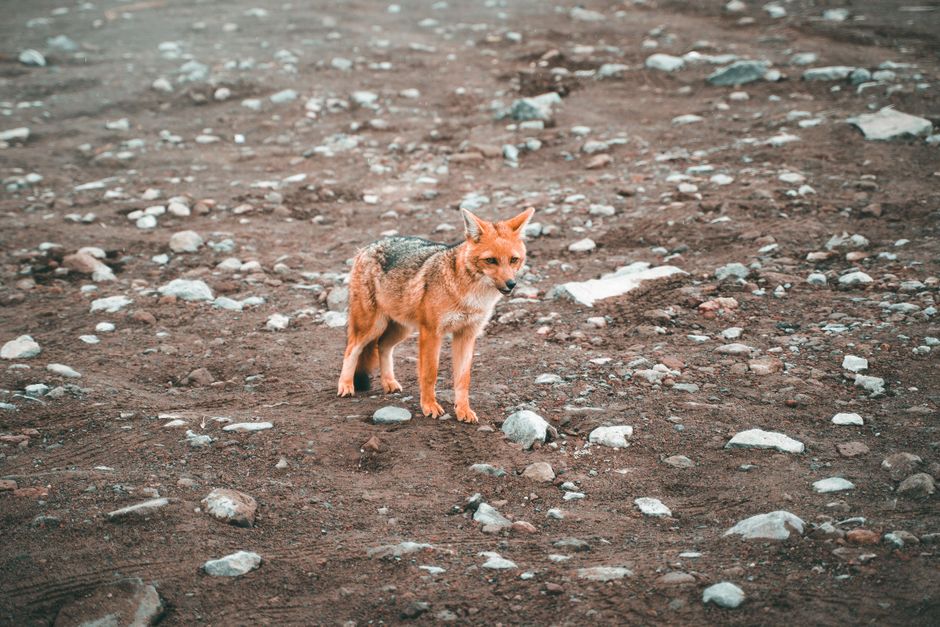
Early mornings for wolves: make the timing part of the plan
For Ethiopian wolves, treat dawn as your most valuable “slot”. Wolves can be seen only when conditions and movement line up, so it helps to plan your day so you are already in the right habitat before the light and activity peak.
A good rhythm is simple: arrive early, listen and scan methodically, and keep your expectations flexible. If wolves don’t appear quickly, continuing to move in a controlled, guided way can be more effective than rushing ahead into the wrong microhabitat. The goal is to stay within areas your guides know for wolf presence.
Midday and afternoon for birds: follow habitat, not just daylight
Once wolf time is done, your best strategy for endemic birds is to shift into zones where those species are most reliable during daylight hours. In highland grassland and wet patches, wattled ibis and related water-loving behaviour can often be easier to spot in brighter conditions.
For the Ethiopian bush-backed chat, the most consistent success tends to come from patient searching in suitable cover: listen first, then confirm visually. After the morning’s scanning, the afternoon is a good time to slow down and focus on calls and movement in thickets and edge zones.
Weather and season: plan for change, not certainty
Bale’s highlands can feel mild and then turn cold, and mist can reduce visibility without warning. Rather than planning your day around one “perfect” scenario, keep a flexible route that lets you move between zones if conditions change.
As a general approach, many travellers find that avoiding the most disruptive weather windows and giving yourself time to adjust helps more than trying to lock every hour in advance. Your local guides are also your best reference for what visibility and activity look like on a given morning.
How to See Wolves and Endemic Birds Well (and Responsibly)
Wolf viewing etiquette: distance, silence, and controlled movement
Ethiopian wolves are wild animals with sensitive behaviour patterns. To keep them calm and to protect the long-term value of wolf viewing, follow strict viewing discipline.
Keep a respectful distance, avoid sudden movement, and resist the urge to “chase” sightings. If your guide suggests repositioning, it’s usually because it improves your viewing angle while reducing disturbance. When a wolf is active and alert, extra attention should go into staying still and letting the animal do its natural routine.
Birding methods for elusive endemics
For endemic birds like the wattled ibis and Ethiopian bush-backed chat, the most effective birding approach blends scanning with listening.
- Use the landscape: in open highlands, scan for slow walking patterns and ground-feeding behaviour; in sheltered areas, focus on call cues and brief, quick glimpses.
- Move deliberately: change locations when the habitat changes, not when your eyes get tired.
- Pause often: many endemics show up after short waiting periods, especially when wind carries calls and makes them easier to locate.
Good birding also means learning what “normal” sounds like in each habitat type. If the forest edge sounds dead compared with other spots, it’s a cue to reposition rather than just keep searching the same patch.
Respect for communities and park rules
Bale Mountains is more than a wildlife destination. It sits alongside local livelihoods, and responsible safari behaviour supports both wildlife and people. Stick to designated areas and follow your guide’s instructions about where you may walk.
Your choices also influence wildlife welfare. Avoid blocking animal movement paths, do not crowd around sightings, and keep noise levels low. If your route involves forest and community-adjacent zones, treat those areas with extra care: stay on track, don’t pick or damage plants, and respect any guidance from local staff.
Conservation Planning: Making Your Bale Trip Smooth and Meaningful
Choose a route that reduces pressure and increases outcomes
The best planning for Bale is often the most restraint-based. Concentrate on a small number of zones, route your day around dawn for wolves, then spend the remaining daylight where the endemic birds you want are most likely.
It also helps to avoid unnecessary back-and-forth drives. Fewer long moves between distant habitats generally improves your energy and reduces the number of disturbances associated with travel. If you’re aiming for both wolves and endemics, this “focus” approach usually delivers a better quality of wildlife time.
Logistics that support wildlife safety
Accommodation and transport decisions should support early starts and respect for park timing. Many people prefer staying in or near the Dinsho area because it reduces morning travel stress when you’re heading toward higher habitats.
If you use Booking.com to check where to stay and which options align with early departure windows, it can help you avoid last-minute scrambling. The most important point is to choose a base that makes it realistic to arrive in wolf-habitat windows without speeding or ignoring guidance.
Guides, permits, and reliable tour support
In protected highland terrain, reliable guidance matters for safety and success. Licensed local guides know which habitat pockets are more likely to produce Ethiopian wolf sightings and which birding microhabitats are worth your time.
For arranging a structured itinerary, Viator can be useful in some cases when you want a ready-made route that includes qualified support and the right pacing. Even with planning help, confirm that the trip is built around wildlife welfare: small groups, controlled movement, and respect for local park regulations.
Overall, if you build your days around early-morning wolf-habitat visits and then shift into the right highland birding zones, Bale Mountains National Park can deliver both Ethiopian wolves and headline endemic birds in one coherent itinerary. Prioritise Dinsho for practical access, focus on Sanetti Plateau and Gaysay Valley for the highest odds with wolves, and balance your route with Web Valley and Harenna Forest edges for endemic bird diversity, all while keeping viewing discipline and local respect at the centre of your planning.
Leave a Reply