If you're planning a safari trip, you might be wondering how you can make your experience more sustainable.
Choosing the right lodge is one of the most practical ways to do that in Moremi Game Reserve: it affects your driving routes, your mokoro access, your ability to be on the water at the best times, and how smoothly your day’s wildlife activities can fit together.
This guide helps you match lodge location to the way you want to spend your safari, with a curated selection of stays and clear planning advice for both road drives and calm-water mokoro outings.
How Lodge Location Changes Your Moremi Drives and Mokoro
Riverfront access: best for mokoro and lagoon viewing
In Moremi, the difference between “great sightings” and “great days” often comes down to access. Riverfront and lagoon-facing camps usually put you closer to waterways where mokoro activities run, which matters because water-based sightings can depend heavily on timing (especially early morning and late afternoon).
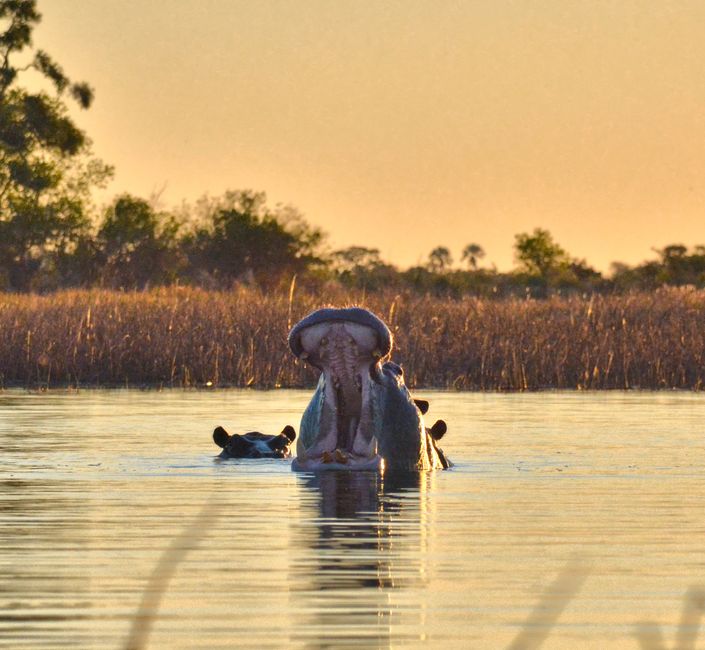
When you’re based near channels and lagoons, mokoro days tend to start efficiently, with less transit time and more time spent watching water edges. That is also where you’re more likely to notice wetland wildlife coming to the surface for short bursts of activity, from hippo wallows to birdlife along the reeds.
Dry-season road access: steadier game-drive routes
As the delta dries and tracks become more passable, road access becomes a key planning factor. Lodges positioned for reliable drive routes typically make it easier to reach prime viewing areas consistently, particularly during the mid-morning hours when predators and herbivores often reposition around water sources.
If your priority is big-game focus during the drier months, look for camps that are set up for daytime drives that can hold a steady schedule even when water levels shift.
Fly-in proximity: more time for prime sightings
In wet conditions, transfers and day timing can become more complicated. Fly-in proximity can help you start safaris earlier and reduce the number of long, shifting-weather overland segments in your itinerary.
For many travellers, this matters most when you want to compress a short safari into meaningful wildlife time. It can also support flexible planning, because if conditions change, a lodge that’s easier to reach can still keep activities on track.
Riverfront and Channel-Friendly Stays (Mokoro-First)
Xugana Island Lodge
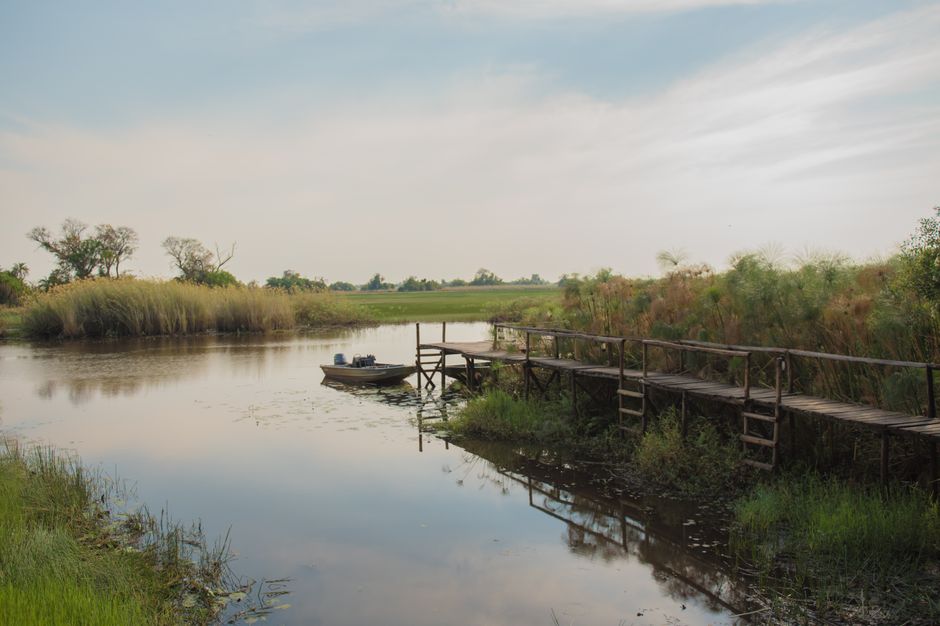
If mokoro access and water-adjacent wildlife are at the top of your list, Xugana Island Lodge is a strong match. Island and lagoon settings generally translate to effortless transitions between game viewing on footbridges, platform viewpoints, and mokoro-style outings where the channels are calm.
In planning terms, this kind of location usually benefits a rhythm of early water time followed by drives later in the day. When you’re closer to where animals come to drink, you can align your schedule with those natural movement windows rather than spending long hours in transit.
Xugana Lagoon Lodge
Xugana Lagoon Lodge is similarly suited to a mokoro-first itinerary, especially when you want the lodge experience to stay closely connected to the wetland. Lodges in the lagoon zone often make it easier to build sightings around the water itself, rather than treating water access as an occasional add-on.
For your drive planning, it helps to coordinate with your guide about what day’s conditions look like for road-based routes. Wetland-adjacent stays can encourage a mix: a mokoro morning when animals are active around channels, then a drive when visibility and track conditions suit the area you’re aiming for.
Third Bridge Camp
Third Bridge Camp is known for its practical setting close to the kinds of waterways that make mokoro outings so rewarding. Because the “bridge” area sits where animals move between seasonal water and drier patches, your safari days can feel naturally connected: mokoro time for close wetland viewing, then drives that follow game movement patterns.
Planning smartly here usually means accepting that mokoro is not just transport, it’s part of the wildlife-viewing experience. Quiet positioning, patient scanning, and listening for ripples and calls can make the difference between brief sightings and longer, behaviour-focused moments.
Dry-Season Game-Drive Options Across Moremi’s Zones
Vumbura Plains Camp
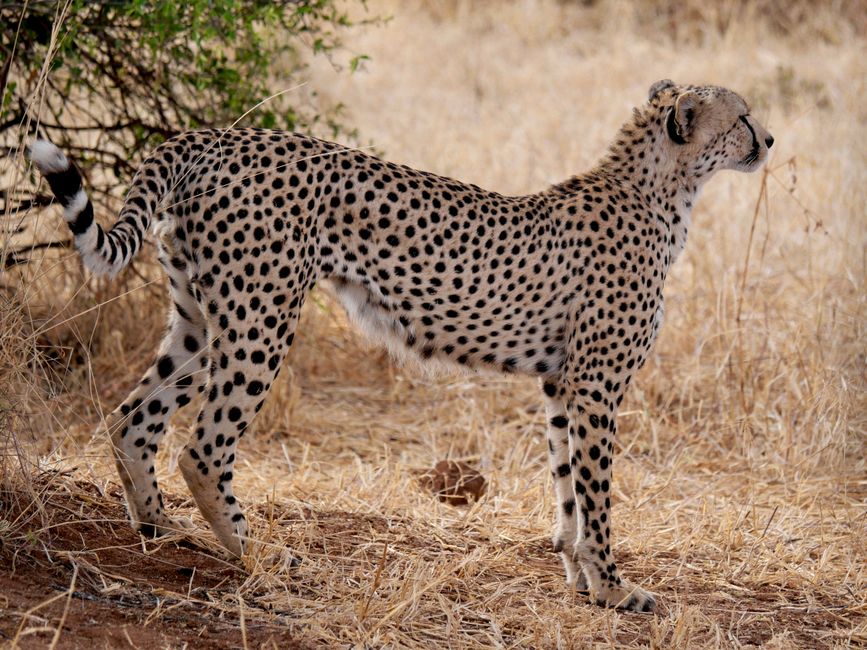
Vumbura Plains Camp is a good choice when your safari focus leans toward dry-season drives that can be paced for strong wildlife sightings. In the drier months, predictable vehicle access and clearer routes can help guides reach areas where herbivores concentrate around remaining water, which in turn draws predators.
For your mokoro planning, the key is to treat water-level conditions as part of your decision-making. During drier periods, some mokoro outings may be shorter, different channels may be chosen, or the schedule may shift toward more driving. A lodge that supports both activity styles lets you keep a balanced itinerary without forcing a rigid plan.
Machaba Camp
Machaba Camp suits travellers who want a drive-led safari while still keeping the wetland in view. Camps in and around Moremi’s shifting ecosystems often support game drives that are timed for animal movement, especially when visibility improves and tracks are more stable.
When you plan your days, ask your lodge team how they typically structure drive routes alongside mokoro availability during your travel window. That helps you avoid the common mismatch of arriving during a dry spell expecting consistently long, channel-rich mokoro outings, or arriving during wetter conditions expecting the same drive access you’d get in peak dry months.
Fly-In and Airstrip-Proximate Lodges for Tight Itineraries

Little Vumbura
Little Vumbura is a useful fit if you value efficiency and want to minimise wasted time in transfers. When a lodge is closer to air-access routes, it often makes it easier to start activities earlier, which is particularly helpful if you’re travelling for a shorter trip or you want to spend more mornings out for wildlife.
From a planning perspective, fly-in proximity can also make your schedule more resilient. Even when water conditions change, the ability to get in and out smoothly can help you keep your driving and mokoro activities grouped into the most promising time windows.
Xigera Safari Lodge
Xigera Safari Lodge offers a strong alternative for travellers who want a well-rounded safari base around Moremi’s wider wetland ecosystem. Lodges in this zone often make it practical to run both drive days and water-based viewing, which can help you tailor each day to what’s working: animal movement, water levels, and guide assessments.
As you plan, coordinate the “mix” of your days with your lodge and guide. Some itineraries do best with water-heavy mornings and drive-led afternoons, while others work the other way around depending on current conditions and the specific wildlife you’re targeting.
Planning for Responsible Encounters and Smooth Days on Water and Road
Wildlife welfare on drives and in mokoro channels
Responsible wildlife viewing is about how you behave as much as where you stay. On drives, keep expectations realistic: if an animal is feeding, moving, or resting, the best approach is calm positioning and minimal disturbance. Your guide should also manage vehicle distance and allow animals to control the pace of the encounter.
For mokoro outings, welfare looks different but it is just as important. Quiet movement, correct posture, and following the guide’s instructions reduce stress for both wildlife and people on the water. If you ever feel unsafe, speak up immediately so the activity can be adjusted or stopped.
Community respect and conserving wetland habitats
Moremi’s wetland character depends on healthy ecosystems and thoughtful tourism. Choose a lodge that takes local hiring seriously, supports community initiatives, and keeps its wildlife-viewing practices within the limits that protect the animals’ natural routines.
In practice, that means treating any cultural interactions offered by the lodge as respectful exchanges rather than “performances,” and asking how the lodge manages waste, water use, and habitat protection. The best-run camps and lodges make it easy for guests to do the right thing.
Booking choices that fit your timing
Match lodge selection to your intended rhythm. If mokoro access is essential, centre your planning on the days your lodge expects to have suitable channel conditions and on the times of day your guides prefer for water-based wildlife viewing. If drive reliability matters most, consider your travel month as a driver of outcomes as much as lodge choice.
When you’re comparing availability around peak periods, Booking.com can be a practical way to check dates and lodge availability before confirming directly with the lodge team about current activity schedules.
By following these location-and-timing cues, you’ll build an itinerary that supports both great wildlife viewing and responsible behaviour on water and road. Overall, the “best lodge” in Moremi is the one whose access style matches your safari priorities, while your guide manages encounters in a way that keeps wildlife calm and your days flowing.
Leave a Reply