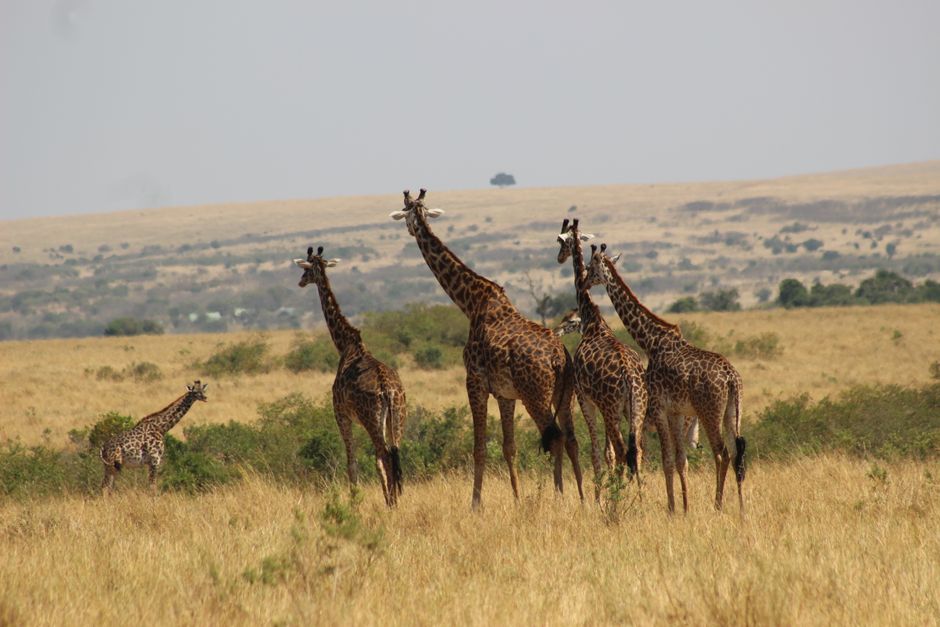
If you’re planning a safari in Kenya, you want the best odds of seeing the Maasai giraffe. This guide explains how year-round rain patterns shape browsing and watering, where guides typically search, and how to time your drives for steadier sightings.
You do not need to wait for one “magic date”. Instead, you’ll plan around how vegetation responds to wet and dry seasons, how giraffes shift between feeding areas and water sources, and how your daily schedule can match their routines.
How Rain and Water Shape Maasai Giraffe Sightings Year-Round

Rain-fed browsing: what changes after wet weather
Maasai giraffes spend a lot of time feeding on leaves, shoots, and browse from trees and shrubs, especially in acacia-dominated landscapes. When rains arrive, new growth flushes out across plains and woodlands, and food becomes more widely spaced. That usually means giraffes are less “pinned” to a single watering place and may spread out across a broader radius.
In practice, this is why sightings can feel dramatic right after rain: vegetation looks fresher, and browse is available away from the most obvious water points. It can also mean you may need wider-ranging searches rather than expecting animals to gather at one spot.
Dry-season watering: when concentrations form
As rainfall tapers off, browse quality often declines and water becomes the main limiting factor. Over dry weeks, animals tend to rely more heavily on reliable water sources, including rivers, permanent springs, and well-maintained boreholes within protected areas and conservancies.
For you, the takeaway is simple: during drier periods, guide-led route planning often focuses on likely watering zones and the travel corridors between them. That increases predictability, even if the landscape looks quieter.
How guides read the day: movement and positioning
Giraffes do not “schedule” themselves to match your itinerary, but their seasonal needs and daily comfort windows are consistent. Guides typically look for signs that suggest recent feeding activity (for example, browsed vegetation) and then position your vehicle to minimize disturbance while still offering clear sightlines.
Expect the best odds when you combine the season (where food and water are most reliable) with the time of day (when giraffes are most likely to be feeding or moving).
Where to Look in Kenya for Maasai Giraffes

Amboseli National Park: broad visibility, strong seasonal shifts
Amboseli’s open savannah and scattered woodland can make it easier to keep sight of giraffes at different distances. In wetter stretches, animals may move through areas with more available browse. In drier stretches, watering and grazing routes can become more concentrated, particularly as vegetation thins out.
Guides often scan along drainage lines and woodland edges where browse remains accessible longer, then adjust based on where the day’s sightings cluster.
Tsavo East and Tsavo West: different textures, similar logic
Tsavo’s landscapes vary, but the giraffe “equation” is the same: browse availability and water access drive movement. In drier months, giraffes may spend more time near reliable water sources and along tracks that connect feeding and watering areas.
Because Tsavo can be expansive, good guiding depends on route knowledge and on deciding when to expand the search versus when to focus on a few strong areas.
Samburu and Buffalo Springs: rangeland browsing with water constraints
In northern Kenya’s drier rangelands, food and water can be more tightly linked to particular locations during parts of the year. Samburu National Reserve and Buffalo Springs National Reserve can offer steady chances, especially when vegetation is sparse and animals shift closer to dependable water.
In these areas, guides often balance search time across likely feeding pockets with time at water-adjacent areas, while keeping distance and allowing giraffes to settle without pressure.
Timing Your Safari to Match the Seasons
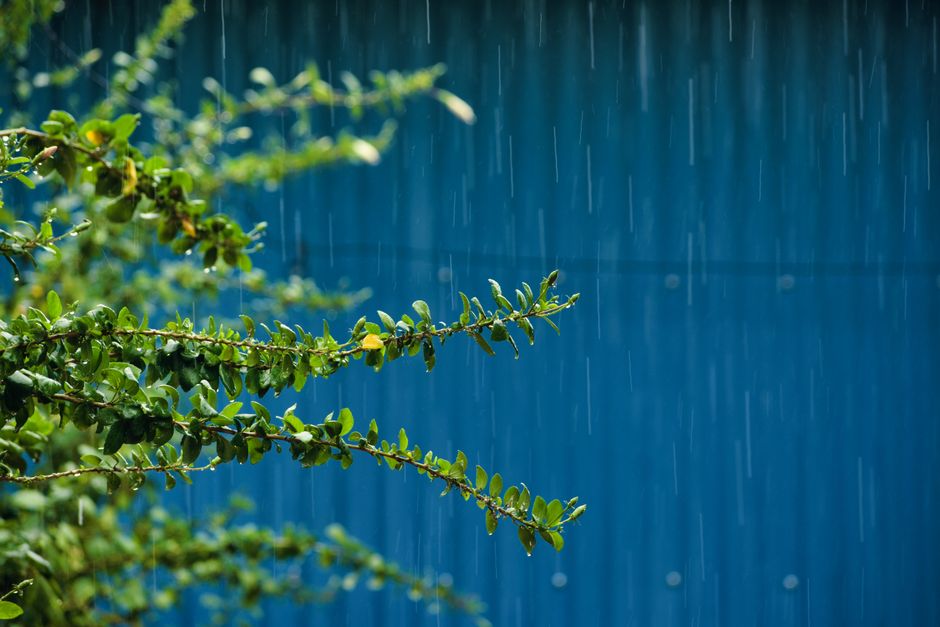
Long rains (roughly Mar–May): fresh growth, wider movement
When rains fall and vegetation responds, giraffes may feed farther apart. This can reduce the “one place, many giraffes” effect and instead make sightings more dependent on where growth is strongest.
If you travel during or just after the long rains, plan for a bit more mobility in your itinerary. That does not mean more game drives, necessarily; it means trusting that guides may shift routes more often to stay aligned with browse.
Dry season (roughly Jun–Oct): predictable water-focused routes
Dry months can be the easiest time to build a reliable viewing rhythm because water becomes more fixed in the landscape. Even when giraffes are not at water all day, the travel routes and the timing of feeding often align with access to water.
In this season, your day schedule matters. Longer windows around the times giraffes are likely to feed and move can improve consistency.
Short rains (roughly Nov–Dec) and transitions: expect change week to week
Short rains can freshen parts of the landscape, but their timing and intensity can vary. Transition periods (between wet and dry) are often when giraffes start changing their movement patterns, and guides may need several hours to “reconfirm” where feeding is best.
If your trip falls in these months, flexibility helps. A rigid plan that assumes giraffes will be in exactly the same zones from day to day can miss the seasonal shift.
- Long rains: expect wider browsing range and more route adjustments.
- Dry season: expect more predictable water-focused areas.
- Short rains/transitions: expect frequent re-checking of feeding zones.
How to Schedule Daily Drives for Better Odds
Morning and late afternoon: feeding windows and calmer movement
Maasai giraffes often use cooler hours more comfortably for feeding and movement. Many travelers find that early morning and late afternoon produce the most “efficient” viewing, with clearer visibility and less heat-driven rest.
For you, this means thinking beyond “where” and also aiming for “when”. A location that is good in the afternoon may not be as productive at midday, depending on how giraffes are using browse and seeking comfort.
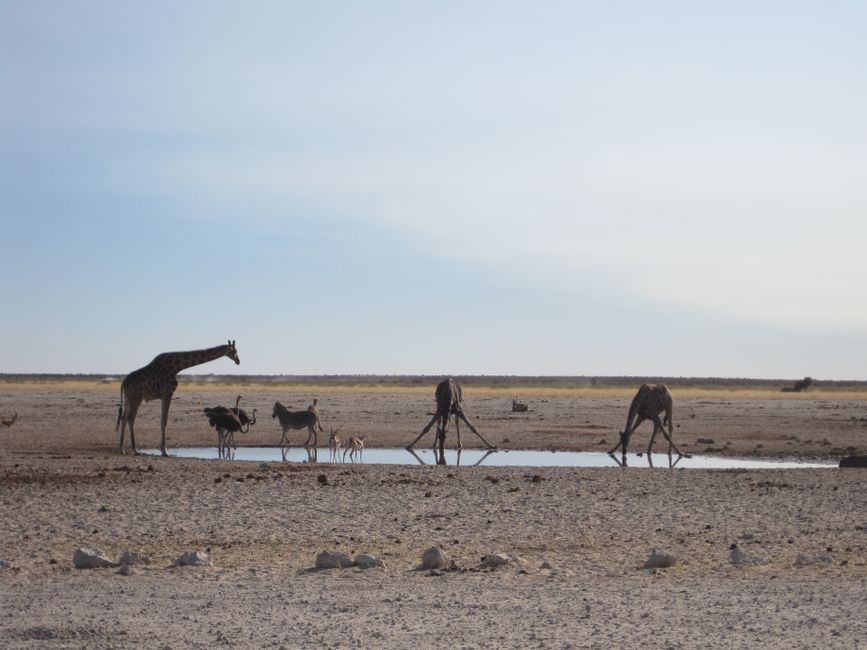
Watering points: watch from a distance, keep vehicles moving correctly
Water-adjacent viewing can be excellent in dry months, but it must be managed carefully. Giraffes can remain calm around vehicles if you keep respectful distance, avoid blocking movement, and do not encourage animals to approach.
Guides typically position your vehicle so that giraffes are not forced to change direction to find a path. The goal is observation, not contact.
Walking safaris and gentle viewpoints: choose with a guide’s judgement
In conservancies and some protected areas, experienced guides may arrange short, controlled viewing opportunities that remain within safety and wildlife-welfare rules. Walking or slow viewpoints can sometimes reveal grooming, feeding, and social behaviour more clearly.
However, the best approach is to follow the guide’s timing and your group’s ability to maintain quiet, stay at a respectful distance, and avoid unintentionally herding or cornering giraffes.
Respect, Safety, and Conservation for Maasai Giraffe Viewing
Keep distance and minimize disturbance
Giraffes are large animals, and their comfort matters. Maintain the space your guide requests, avoid sudden vehicle movements, and give animals the freedom to move away without being “managed” into close proximity.
A calm approach also protects your safety. If a giraffe changes posture, turns away repeatedly, or shows signs of agitation, the best response is to let the guide adjust the viewing distance immediately.
Avoid baiting, shortcuts, and off-route behaviour
If giraffes appear close to roads or tracks, it is still not permission to create interference. Avoid baiting, do not feed them, and do not drive off-route to chase a sighting.
The most responsible viewing is consistent viewing: arriving safely, staying steady, and allowing animals to continue their day with minimal disruption.
Support wildlife-friendly tourism and local stewardship
Where Maasai giraffes are seen regularly, it is often tied to broader conservation systems: protected habitats, anti-poaching efforts, community partnerships, and land management that balances grazing needs with wildlife movement.
By choosing reputable operators, you strengthen incentives for protecting the landscapes giraffes depend on, including the dry-season corridors and water sources where animals concentrate.
Overall, the best time to see Maasai giraffes in Kenya is the time when the landscape matches your safari rhythm: after rains, expect broader movement as browse spreads out; in drier months, plan around dependable water patterns and time your drives toward feeding windows. When your itinerary follows rainfall-driven change, and your viewing stays respectful and low-impact, your chances of steady, memorable sightings rise across the year.
Leave a Reply