
If you're planning a safari trip, you might be wondering how you can make it more focused and more meaningful for wildlife. With black rhino, success depends less on luck and more on planning, timing, and how you follow ranger guidance.
This guide covers planning a black rhino safari specifically in Hluhluwe-iMfolozi and the Ezemvelo-managed reserves around KwaZulu-Natal, with practical direction on getting there, what a day on safari usually looks like, and what “success” looks like for black rhino sightings.
You’ll also get straightforward viewing ethics and safety rules, so your time with these rare browsers protects the animals, the habitat, and the local communities who help conserve rhinos.
Why Choose Hluhluwe-iMfolozi and Ezemvelo for Black Rhino
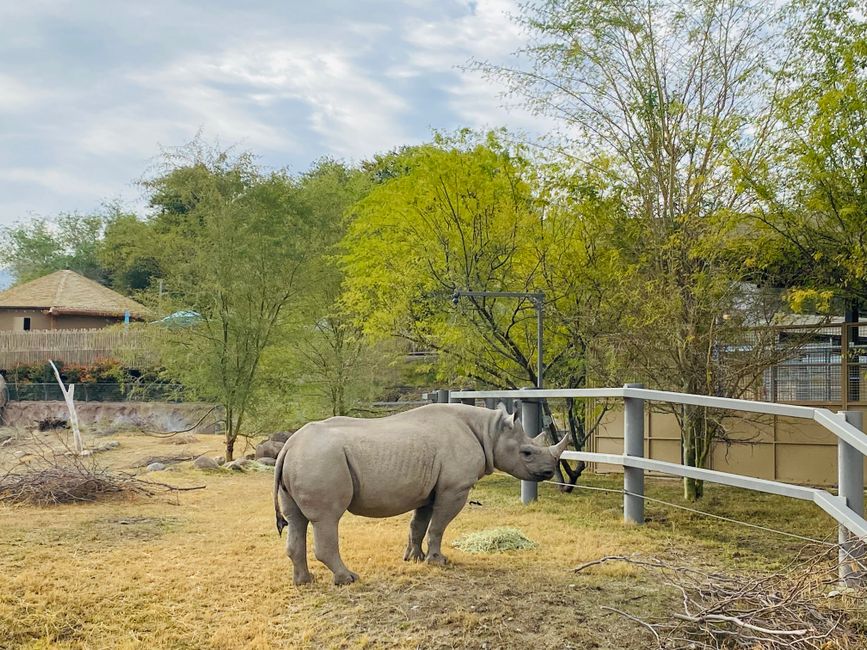
Habitat that supports black rhinos
Black rhinos (Diceros bicornis) are browsers, so they depend on the structure of the vegetation: thorny thickets, leafy shrubs, and areas where they can feed and feel protected. In KwaZulu-Natal, the reserves managed under Ezemvelo KZN Wildlife typically contain the kind of mixed habitats rhinos use to move between feeding and resting areas.
Hluhluwe-iMfolozi is well known for long-term conservation efforts and the practical side of rhino management: rangers can monitor animals and guide guests to the best opportunities, without turning sightings into stressful chases.
What rangers optimize during the search
Because black rhinos are solitary and often well camouflaged within thorny cover, ranger skill matters. The best drives are usually those that prioritize communication and patience: listening for ranger cues, watching wind direction, and scanning patches of vegetation that look “quiet” but may hide feeding or resting rhinos.
Learning to read the landscape (not just the grass)
A black rhino safari is as much about environment as it is about spotting. Look for signs indirectly: browse lines, activity paths, or the way birds and other wildlife react when rhinos move nearby. When your guide explains what they’re watching for, treat it as part of the viewing experience rather than a distraction from “seeing.”
Getting There and Entering the Reserves
Access from Durban and other common starting points
Most travellers base themselves around coastal KwaZulu-Natal. From Durban or nearby areas, the most common route is to drive north toward the Hluhluwe area, then follow local signage into Hluhluwe-iMfolozi. If flying is easier, the typical pattern is to fly into King Shaka International Airport (Durban) and arrange a road transfer from there.
For Ezemvelo-managed reserves in the region (for example, uMkhuze Game Reserve), the approach is similar in principle: drive from coastal hubs inland, and allow extra time for check-in and the final road sections that can be slower than expected.
Where you’ll brief and what to expect at gate times
Before any drive, expect an orientation with rangers or camp staff. This is where you learn the rules for that specific reserve that day: where vehicles may travel, how close you may stop, and what radio updates indicate about rhino movement.
Because black rhino sightings can be unpredictable, the order of operations matters. Your “plan” should be flexible enough to shift when rangers report a change—especially in the morning and late afternoon.
Vehicle and guide requirements
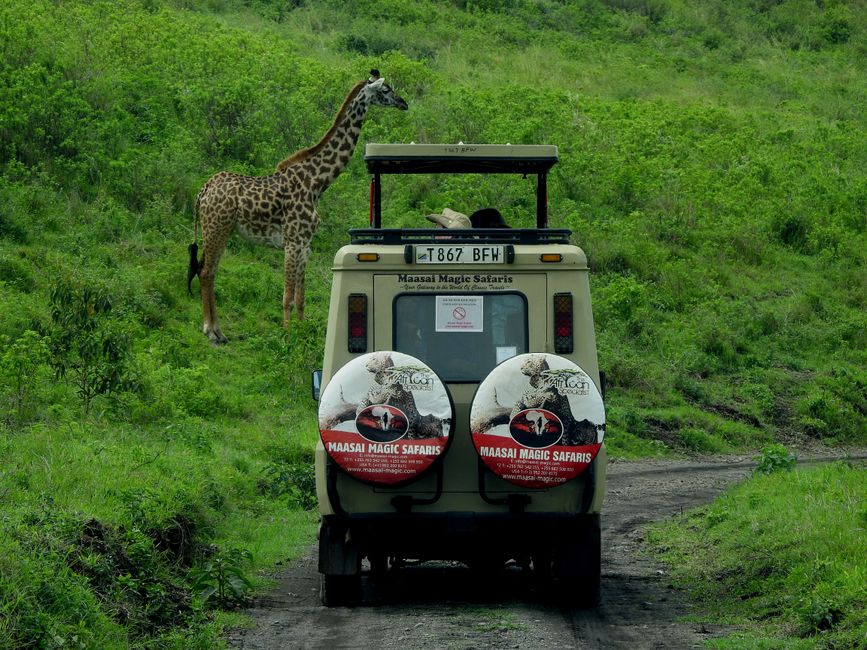
Black rhino viewing is typically done from a safari vehicle with a qualified guide/ranger. Some reserves may also offer specialized rhino-search outings tied to monitoring, but those are usually governed by strict safety procedures and permissions.
If you’re choosing transfers or day excursions, make sure your driver knows that you’re heading to a conservation area (not an ordinary road sightseeing route). A slower, observation-led pace is usually part of the experience, and it often makes the difference between a brief look and a calmer, clearer encounter.
A Typical Day on Safari: Drive Structure That Works
Morning search: when rhinos are most “readable”
A common structure is an early morning departure for the first search drive. Cooler temperatures, lower light, and calmer winds can make it easier to spot feeding and movement, and it can also help reduce stress for the animals.
In practice, a ranger-led morning drive often looks like this: a short briefing, careful scanning from designated viewpoints, and repeated pauses to confirm signals rather than rushing toward the first sign of wildlife.
Midday rhythm: conservation-driven rest and repositioning
Midday is often quieter for viewing, particularly during warm periods when rhinos may conserve energy or retreat deeper into cover. Instead of treating midday as wasted time, use it for a planned rest and for your ranger to reposition the search.
You may also get helpful instruction at this time: what behaviours to look for later, and how to interpret “no sighting” signals (for example, knowing which areas have already been checked).
Late-afternoon opportunities: the light for browsing
Late-afternoon drives can be excellent, especially as rhinos become more active in the cooler hours before night. For photography and calm observation, the softer light can also help you see facial features and horn shape more clearly.
A strong late-drive is usually patient in the same way the morning drive is: slow scanning, listening for ranger cues, and stopping only where you can observe without pushing the rhino to move away.
What “Success” Looks Like for Black Rhino
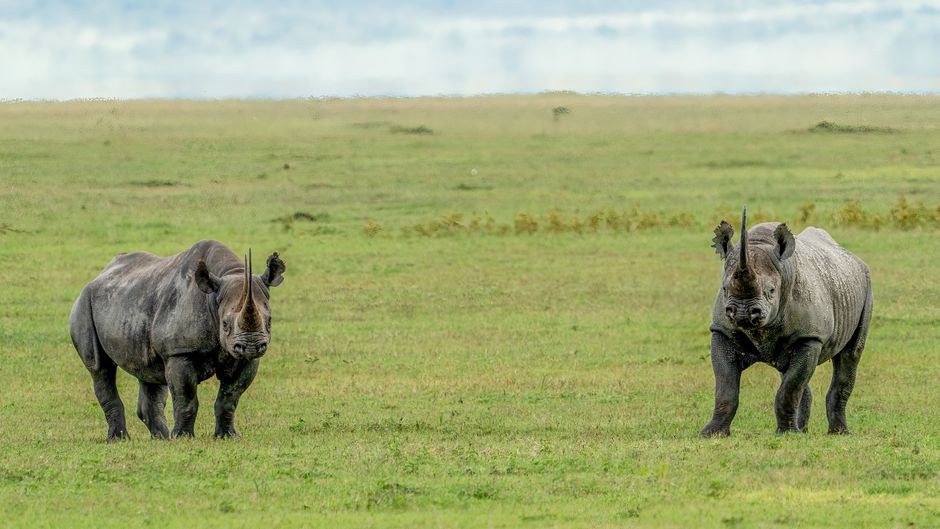
Quality sightings versus “a flash”
Success is not only about seeing a rhino. For black rhino safaris, success usually means a sighting that allows you to observe from a respectful distance without causing the animal to change behaviour out of fear.
A high-quality sighting often includes one or more of these elements:
- Clear confirmation of black rhino features (face profile and horn shape are the most distinctive)
- A viewing window long enough to see normal browsing behaviour
- The ability to watch from stable stops rather than repeated sudden repositioning
Behaviours you might spot during a good encounter
Black rhinos often show their presence through browsing rhythm, head movements, and the way they use cover. If conditions are right, you might see feeding—rhinos taking leaves from thorny shrubs in a way that can look surprisingly calm.
Sometimes “success” looks like brief confirmation followed by a ranger-led decision not to press further. That’s not a failure; it’s part of responsible management when animals are settled or when the safest viewing position would require unnecessary movement.
When you don’t see a rhino (and still come away with value)
Not every day produces a rhino in view, even with excellent rangers. In a well-run operation, “no sighting” can still be meaningful because you learn how rhino-search works: which habitats are checked first, how wind direction affects scent, and why patience matters.
If your trip allows extra time, a second drive (especially adding one more late afternoon) can improve your odds. If it doesn’t, prioritize learning from your guide’s feedback so your expectations match the biology and the reserve realities.
Safety, Ethics, and Respect on Black Rhino Drives
Keep distance and follow silent rules
Black rhinos are powerful, unpredictable at close range, and often more reactive when surrounded. The safest and most respectful approach is to follow ranger instructions exactly and keep your vehicle position steady.
Typically, the guiding principles are simple: don’t crowd, don’t block escape routes, and don’t encourage rhinos to approach. If the rhino moves off, treat that as a natural outcome—not an invitation to chase.
Vehicle conduct that protects both animals and habitat
Off-road driving can damage habitat and can also increase stress when the vehicle’s movement is sudden. Stick to ranger-approved routes and stop only where your guide says it’s appropriate.
Good etiquette also includes reducing distractions: keep noise low, avoid unnecessary engine revving, and handle camera movements carefully so you’re not leaning out or disturbing the scene.
Supporting conservation and local communities
Black rhino recovery depends on more than sightings; it depends on management, monitoring, and long-term protection. By respecting rules, staying patient, and using a reputable guide/ranger team, you’re supporting the work that keeps rhinos alive in landscapes shared with people.
In the broader Ezemvelo and Hluhluwe-iMfolozi area, community benefits often come through jobs, training, and tourism linked to conservation. Your behaviour—how you treat staff, how you follow instructions, and whether you protect habitat—matters.
- Stay calm and quiet; let the ranger lead
- Do not approach on foot unless explicitly permitted and directed
- Keep your vehicle where instructed and avoid sudden movements
- Never feed wildlife or encourage close interaction
- Protect habitat by respecting “no-go” areas and keeping to tracks
Overall, a successful black rhino safari in Hluhluwe-iMfolozi and Ezemvelo-managed reserves comes from planning around how rhinos actually behave: start early, stay flexible when rangers update the search, and judge success by calm, clear observation rather than by chasing a quick glimpse. When your viewing choices protect the rhino and the land, you get the most rewarding experience possible.
Leave a Reply