
If you’re planning a bonobo tracking safari in the Lomako Forest, DR Congo, you’ll want the experience to be as rewarding for you as it is respectful for the animals and the people who protect their forest.
This guide walks you through what permit expectations look like, how to judge fitness for rainforest conditions, what tracking usually feels like in wet-season jungle, what to expect from the day itself, and how to choose a responsible operator who puts bonobo welfare first.
Lomako Forest Bonobo Tracking: What You’re Signing Up For
Habituated bonobo visits versus “wild search” tourism
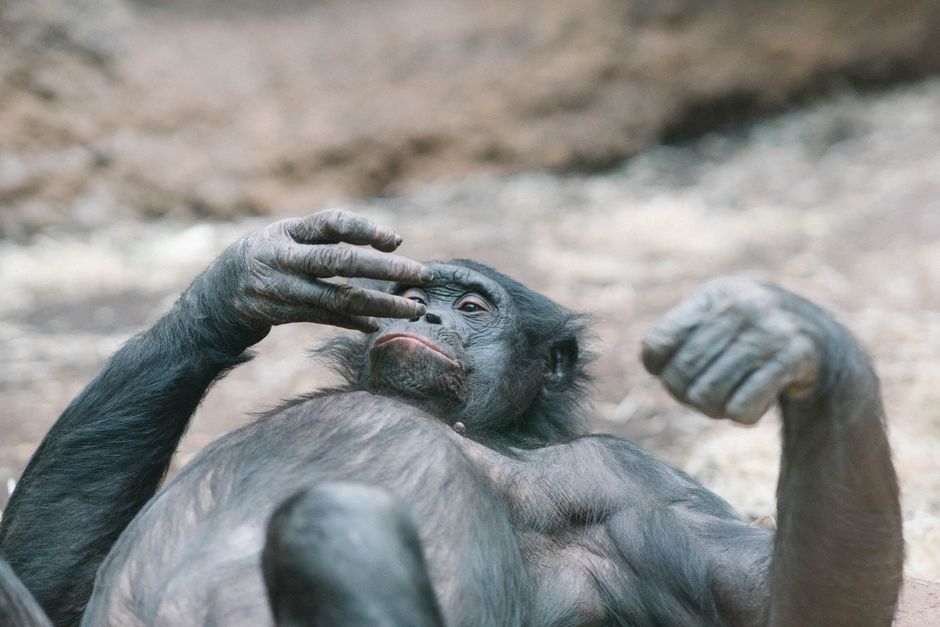
Bonobo tracking in Lomako is typically built around communities of bonobos that are followed by trained trackers over time. That habituation (gradual, careful familiarity) is what makes tracking possible for visitors without chasing animals.
In practice, tracking isn’t a guaranteed “come-see-a-bonobo-at-a-fixed-time” experience. Conditions, sound carrying through dense vegetation, and how the group moves all affect what happens on the day. The best mindset is to plan for a respectful search, with patience, and accept that the forest decides the schedule.
Where the tracking environment shapes your expectations
Lomako’s rainforest is the main character. Expect thick undergrowth, lots of slippery surfaces when it has rained, and limited visibility even when you’re close to the direction of movement. You’re often moving at a walking pace, stopping often, listening more than looking, and adjusting quickly when trackers indicate a change in direction.
Because you’re in canopy shade most of the time, light can be flat and green-toned. That means good viewing depends on silence, stillness, and allowing trackers to get you into position.
Permits, Timing, and Fitness for Rain-Forest Conditions
Permit expectations and documentation
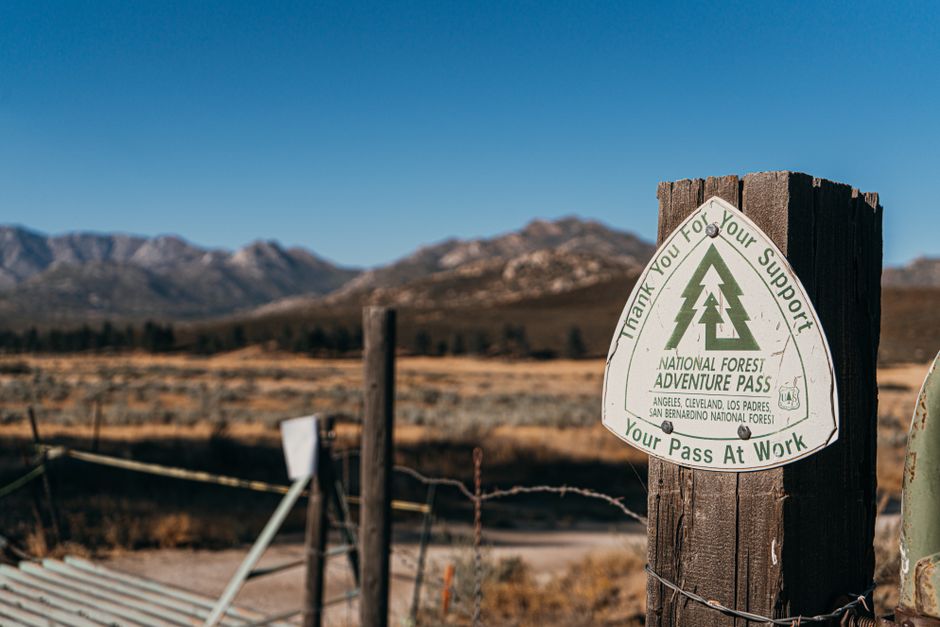
In the Democratic Republic of the Congo, primate tracking requires authorisation through the correct channels, usually arranged by a properly permitted local operator or partner organisation. As a traveller, your role is to ensure your booking is linked to the right permissions and that the operator can explain how access works.
What to expect during planning:
- You may be asked for a passport copy well in advance, because permits and manifests often require official details.
- Permit availability can be limited, so changes last-minute are hard even when you’re flexible.
- Payments, cancellations, and transfers are often governed by permit or access rules; confirm what happens if access is affected by weather or operational constraints.
The most responsible operators won’t oversell certainty. Instead, they explain the process clearly, provide timelines, and treat permits as part of conservation and compliance, not a simple admin step.
When to go: rainfall, trail difficulty, and comfort
Rainfall changes everything in Lomako. In wetter periods, trails can become muddy, stream crossings may be more frequent, and the forest floor can feel consistently damp underfoot. That doesn’t mean tracking is impossible, but it does mean you should plan for slower movement and more time spent waiting and listening.
A practical approach is to choose the time that matches your tolerance for humid conditions. If you want easier footing and drier trails, you’ll usually prefer less-rainy periods. If your priority is being prepared for fully wet conditions, then you can travel during wetter windows and focus on the gear and fitness that keep you safe.
Fitness checklist: stamina without overreaching
Bonobo tracking often involves sustained walking in uneven, slippery terrain, plus standing still for periods when trackers locate the animals. Fitness is less about running speed and more about your ability to keep moving calmly for hours.
Prepare for:
- Long rainforest walks over variable ground.
- Frequent pauses, short bursts of moving through vegetation, and the need to maintain balance.
- Heat and humidity that may affect breathing and energy.
It also helps to do a realistic “test hike” on uneven ground before travel. If possible, practise on trails with roots, mud, or steps so your body adapts to the terrain rather than only the distance.
Your Tracking Day: Finding Bonobos Without Rushing the Forest

How trackers follow movement and sound
Even when you can’t see much at first, tracking starts with information: calls, movement in vegetation, signs left by the group, and the direction of recent travel. Trackers read the forest like a map, and they’ll often choose routes that are safer and quieter rather than the shortest line to where you think the animals are.
For you as a visitor, this usually means:
- Keeping noise low and staying close where the guide signals.
- Avoiding sudden repositioning that disrupts the group or affects your ability to listen.
- Paying attention to where trackers stop and why they stop.
What a close viewing moment typically involves
When bonobos are located, the goal is respectful viewing from an appropriate distance and for a limited time, based on local rules and the animals’ behaviour. Expect the viewing to be “situational”: there may be movement through branches, partial views behind leaves, or periods of stillness as the group changes position.
The most successful tracking days feel calm. Instead of trying to force a perfect sightline, you’ll get more from staying patient and allowing the trackers to guide your position. If you hear or see the group move, respond by staying quiet and stable rather than rushing to the front.
Safety and Ethics: Wildlife Welfare Comes First

Keeping your distance and avoiding disease transmission
Bonobos are highly sensitive to disturbance, and close contact can also raise health risks. Responsible tracking follows strict behaviour expectations around distance, quietness, and hygiene.
Key ethics to expect (and to respect):
- Follow distance rules exactly, even when you can’t see well. The guide will choose placement based on animal behaviour.
- Don’t touch plants, equipment, or animals, and don’t crowd to improve photos.
- If you feel unwell (especially with respiratory symptoms), tell the operator immediately. Many primate-watching programmes require visitors not to participate when they could increase health risks.
Safety on forest paths and waterways
Safety in Lomako is about real-world rainforest hazards: slippery ground, stinging insects, branches that snag clothing, and sudden changes in footing near water. Guides will manage the route, but your job is to move carefully and respond quickly to instructions.
A short safety rule set worth following:
- Keep your hands free (avoid juggling bags) so you can steady yourself if footing changes.
- Use slip-resistant footwear and be ready for wet, muddy conditions.
- Stay within sight and hearing of your guide at all times.
If you have any medical limitations, discuss them clearly before departure so the operator can advise whether tracking is appropriate and how the day can be paced.
Respecting local communities and access rules
In the Lomako area, the forest isn’t just a backdrop; it’s livelihood, culture, and responsibility. Ethical operators work with local teams and respect agreed access patterns, timing, and visitor conduct.
Look for indicators that your operator treats community engagement as an obligation, not a marketing slogan: local guides with clear training, transparent rules about where groups go and how long they stay, and a consistent message that conservation and welfare come before visitor convenience.
Choosing a Responsible Operator and Planning Smooth Logistics
Red flags when comparing operators
Not every “bonobo tracking” claim is equal. When comparing operators, be cautious if you see any of the following:
- Promises of guaranteed sightings or a fixed time schedule.
- Vague answers about permits, authorisation, or how access is managed.
- Rules that sound flexible in ways that could increase disturbance, such as frequent crowding, pushing for closer viewing, or ignoring distance guidelines.
A responsible operator will instead explain what’s certain (the process, the standards, how tracking works) and what isn’t (where animals are at a given moment).
Questions to ask before you pay
To choose well, ask questions that force clarity on welfare, safety, and compliance. If the operator answers thoughtfully and consistently, it’s a good sign.
Helpful questions include:
- How are permissions handled for bonobo tracking in Lomako?
- What behaviour rules will guides enforce during the viewing window?
- What’s included in the tracking day (guide/team structure, duration expectations, and support in wet conditions)?
- What’s the group size limit for tracking, and how does the operator manage spacing?
If the answers are specific and grounded in real operational practices, you’re likely dealing with a team that understands responsible primate tourism.
Planning for comfort, communication, and contingency
Even with strong planning, rainforest travel changes day-to-day. What makes the trip smooth is not “more stuff”, but better readiness: clothing suited to humidity, footwear you trust on wet ground, and a calm attitude when timing shifts.
Rainforest packing should focus on staying comfortable without adding clutter that can slow you down. Keep essentials accessible so you don’t have to rummage in your bag during viewing. Also consider how you’ll communicate if you lose track of someone in dense vegetation; a clear plan with your guide is more effective than trying to shout.
Overall, you’ll get the best Lomako bonobo tracking experience by aligning your expectations with the reality of the rainforest: secure the correct permits through a reputable, welfare-first operator; choose a timing window that matches your comfort with wet jungle; build fitness for uneven terrain and long quiet pauses; and treat tracking as a respectful search guided by local expertise rather than a performance you control.
Leave a Reply