
If you're a birding enthusiast, then you know that Africa is a paradise for birdwatching. Djoudj National Bird Sanctuary in Senegal is one of the continent’s most reliable wetland stages, bringing pelicans, cranes and migratory waders into view when conditions are right.
This guide helps you plan your safari so you can focus on spotting and identifying, not logistics. Expect practical advice on seasonality, the best viewing times by habitat (lakes, reedbeds, channels and shoreline), and what to anticipate on guided walks around the park’s lakes and channels.
Djoudj is a landscape of water and edges: shallow lagoons, seasonally changing water levels, reedbeds and a network of channels. That “mosaic” is why it works for birds with very different lifestyles. Some species feed on fish in open water, others forage along muddy margins, and large birds use calmer areas for resting and flight take-offs. With the right timing and a calm approach, you’ll be positioned to enjoy both the spectacle and the smaller details.
When to Bird Djoudj: Seasonality for Pelicans and Waders
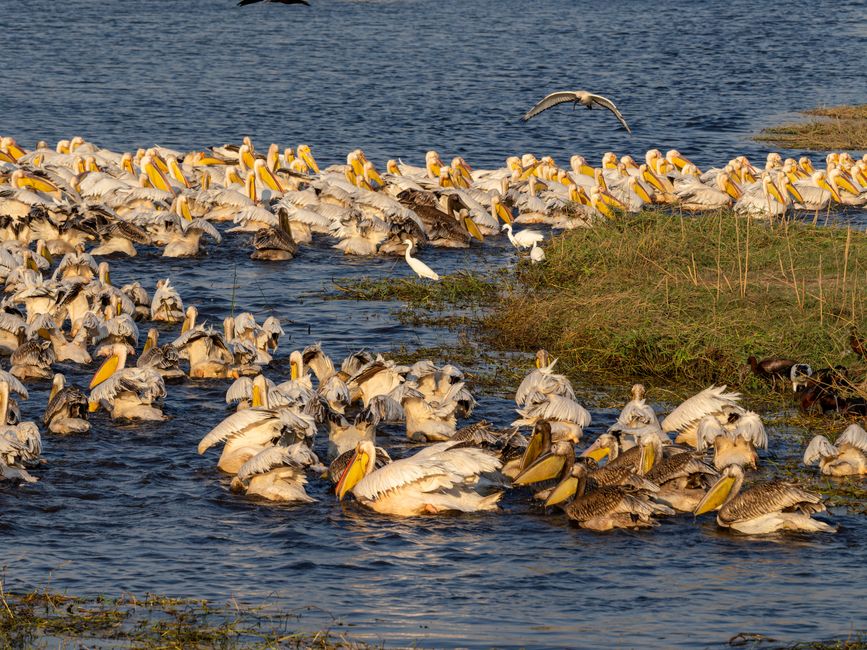
In contrast, when water is more widespread, birds may spread out across a larger area. That can still be excellent for sightings, but scanning can require more movement and patience. Your guide’s local knowledge matters here, because “where birds are” often comes down to the day-to-day water layout.
Migration windows for cranes and long-distance waders
Djoudj is strongly connected to migratory bird movement. When large birds arrive or pass through, you may notice bigger, slower patterns: cranes appearing at quieter edges, and waders turning up in numbers on muddy shallows.
Because migration can vary by year, planning around seasons rather than exact dates is the safest approach. Think in terms of: (1) arrival phases when new birds first appear, (2) mid-season stability when numbers are dependable, and (3) departure phases when flocks thin out but can still offer dramatic bursts of activity.
Best viewing times by habitat: mornings and edge-light
Bird activity isn’t uniform throughout the day, especially in wetland habitats where birds balance feeding with thermals, wind, and safety. As a rule of thumb, early morning is often productive across Djoudj. Birds use cooler temperatures for activity, and light conditions tend to improve both identification and photography.
By habitat, the timing often feels different:
- Open water hunting (including pelican-style foraging) can be especially active early, when birds move efficiently and fish are easier to track.
- Reeds and shoreline edges can be best as the day warms, because birds shift between feeding and movement corridors.
- Muddy margins and shallow foraging areas often reward later morning scanning when birds have settled into their daily routine.
Your best results come from combining the right time of day with the right part of the wetland—your guide will typically shape the day around that logic.
Choosing Your Habitat Circuit Inside Djoudj

Reedbeds add another layer. Even when birds are not visible at first glance, they can be using the cover for safety and short-range movements. Spending time near edges—without rushing—can turn a quiet stretch into a sudden flurry when birds emerge to feed or reposition.
Channels and shorelines for migratory waders
Cranes and migratory waders often perform best where food is available at the right depth. Channels and shoreline margins offer that blend: exposed edges where prey is accessible, and nearby cover for quick retreat.
When waders are present, watch for how they feed. Some species take probing steps, while others use a more scanning-and-pause rhythm. That behaviour can help with identification when you’re comparing similar shapes and sizes. Also look for “traffic patterns”: which directions birds take when arriving and departing, and which areas they use repeatedly.
Target birds you’re likely to focus on
For a birding safari centred on pelicans, cranes and waders, these are the headline targets many visitors look for at Djoudj:
- Great White Pelican
- Demoiselle Crane
- Migratory waders (sandpipers and plovers)
Even if your exact mix changes by season and daily conditions, you can still build a checklist-driven day that prioritises open-water zones for pelicans and edge habitats for cranes and waders.
What to Expect on Guided Walks Around Lakes and Channels

Guided walks around lakes and channels typically follow paths that allow you to scan without stepping into sensitive wet areas. You may be taken to several vantage points rather than staying in one spot for the entire visit, because birds often shift between roosting and feeding zones.
Reading behaviour: feeding, roosting and flight lines
On the walk, sightings often come in three stages: first detection (often from movement or calls), then confirmation (scope/binos to verify size, bill shape, plumage tone), and finally watching how the birds use the space.
Pelicans can draw attention through larger movements on water, but also through the “in-between” moments when they change direction or settle into coordinated feeding. Cranes and waders can be trickier at first because they may look still, then suddenly start probing or take short, purposeful flights.
Watch for flight lines too. Birds tend to use familiar routes between safe cover and feeding areas. Once those routes become visible, future scans become faster and more efficient.
Photography and hearing: staying effective without disturbing
If photography is part of your plan, the easiest way to get usable images is to stay steady and let behaviour create the moment. Avoid sudden gestures, and give birds space to carry on feeding or walking.
Hearing matters as much as sight. In wetlands, calls can reveal where birds are before you see them clearly. During guided walks, it’s worth pausing your movement briefly when you hear birds calling from reedbeds or across a channel. Those short, quiet pauses are often what turns a “distant silhouette” into a clear identification.
Wildlife Welfare, Safety and Respect in Djoudj

If birds start to move away more than you expected, treat it as a cue. Back off gradually, stay downwind where possible, and let the guide lead the next repositioning. In many birding situations, staying still for one more minute can outperform chasing the bird.
Safety on marsh edges and uneven ground
Djoudj’s walking routes and shoreline viewing areas can be uneven and close to water. Wetland ground can become slippery, and heat can build quickly. Safety isn’t only about avoiding accidents; it’s also about not panicking and disturbing birds through sudden, careless movement.
Use footwear and behaviour suited to soft ground and occasional damp patches.
Essential rules for a safer, calmer outing
To keep the experience enjoyable for you and for the birds, follow these practical guidelines:
- Keep noise low and avoid sudden changes in direction.
- Stay on the path or the route your guide approves; don’t shortcut through sensitive areas.
- Give birds space to continue feeding; reposition slowly if needed.
Respect for local guides also matters. Djoudj’s visitor experience works best when you let the guide’s knowledge of birds, wind direction and safe access shape where you stand.
Bringing Your Birding Safari Together: A Practical Plan
Build your trip around time in the field
For pelicans, cranes and migratory waders, you benefit from at least a couple of scouting days. Birds may arrive in waves, and the park’s daily rhythm can shift with weather and water movement.
Even when the overall season is correct, one day can be heavy with waders and the next might reward open-water scanning more strongly. With more than one outing, your chances improve because you can compare conditions and learn the habitat “map” faster.
What to pack for wetland birding
You’ll be spending time outdoors near water and reeds, so planning for comfort and protection directly affects your ability to concentrate on birds.
Consider packing:
- Binoculars and a steady strap (and bring lens cloths)
- Sun protection (hat, sunscreen) and insect repellent
- Light rain protection and a warm layer for early mornings
- Comfortable, grippy shoes suitable for damp ground
Making the most of guided walks and daily timing
If you want to maximise sightings, treat each walk as a habitat session. Start with early scanning for birds that are active in open water and on feeding edges, then move through different zones as the day warms.
A helpful mindset is to prioritise “behaviour first, species second” on your first hour. Once birds start showing consistent routines, you can tighten your identification process. If the guide calls out a shift in activity—birds lifting from one area, or waders moving across mud edges—follow that cue and adjust your scanning range.
Overall, the best Djoudj birding safaris combine seasonal planning with patient, habitat-focused searching. By following these… you’ll be ready for pelicans on open water, cranes and waders on the edges that feed them, and guided walks that turn Djoudj’s lakes and channels into a calm, respectful wildlife experience.
Leave a Reply