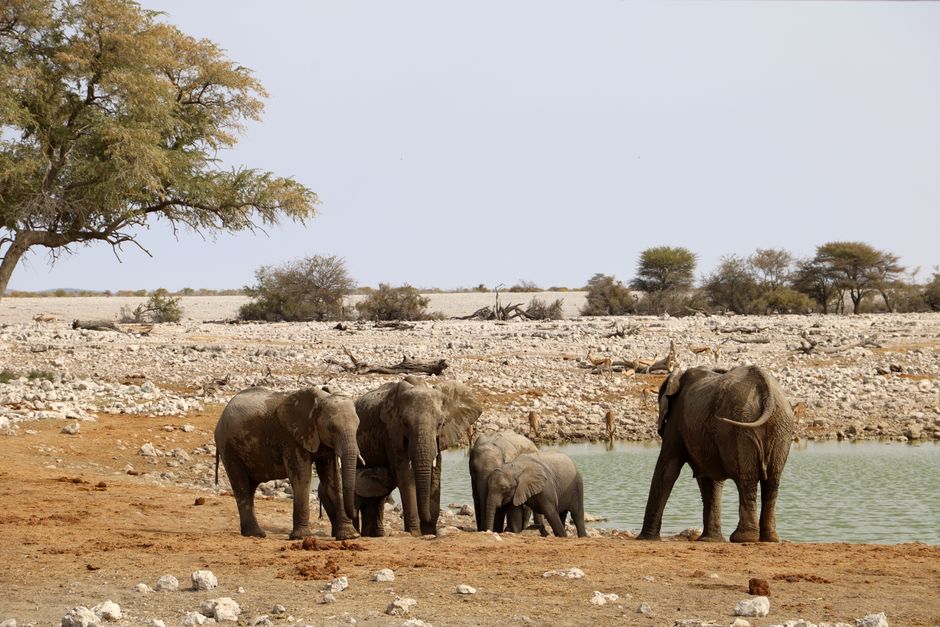
If you’re planning a safari trip, you might be wondering how you can make your experience more sustainable.
This guide covers conservation-focused eco-lodges and in-park stays in Namibia’s Etosha and Omaheke region, with an emphasis on low-impact viewing, water stewardship, and ranger-guided wildlife tracking. You’ll also find practical advice on when and where desert wildlife concentrates, plus the etiquette that keeps drives safe for animals and people.
Desert wildlife survives on scarce water and predictable routines. When the lodges you choose run tight, trackable schedules and limit disturbance at waterpoints, you get better sightings without pushing the ecosystem harder than it needs to be.
Conservation Starts with How Desert Safaris Are Run
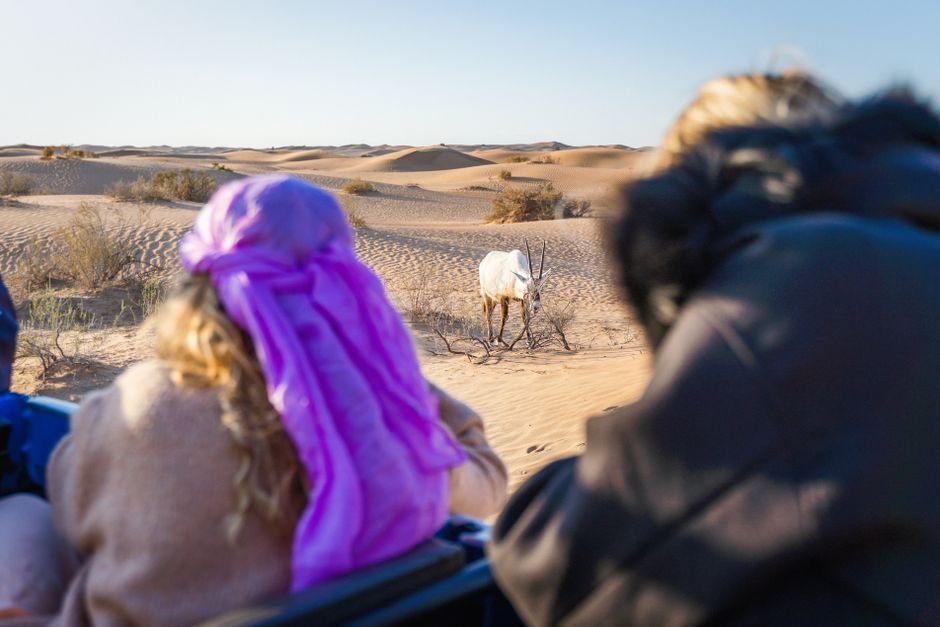
Low-impact viewing in fragile habitats
In Etosha and the Omaheke/Kalahari desert margins, tracks can remain visible for a long time and vegetation recovery can be slow. Eco-focused stays typically build their drive routes around existing tracks, keep vehicles in controlled formations, and limit time spent stopped for photos.
Look for lodges that treat movement as a conservation tool rather than a spectacle. That usually means planning drives around animal behavior (not crowds), using quieter approaches when animals are feeding or drinking, and rotating guide teams so driving pressure doesn’t build up at the same hotspots every day.
Water stewardship and responsible camp operations
Desert wildlife drives are only possible because camps manage water carefully. Conservation-minded properties tend to focus on efficient plumbing, leak prevention, smart landscaping (where they’re allowed), greywater handling, and strict rules about where washing and waste go.
A good sign is that the lodge can explain its water-saving approach in plain terms. You don’t need technical detail, just clarity that water use is monitored and that operations are designed to avoid stressing the local water sources.
- Efficient water fixtures and consistent water monitoring
- Waste handling systems that reduce contamination risk
- Clear guidance for guests on how to conserve water during stays
Why ranger guidance improves both safety and sightings
Rangers and trained trackers add value beyond spotting animals. They understand how animals move between cover and open ground, where sensitive areas are, and how to read signs that suggest a fast-changing situation (for example, breeding behavior, territorial shifts, or animals moving toward water).
For you, this means more reliable sightings and fewer last-minute changes that can lead to risky driving. For wildlife, it reduces the chance of repeated disturbance.
When and Where to Find Desert Wildlife Drives
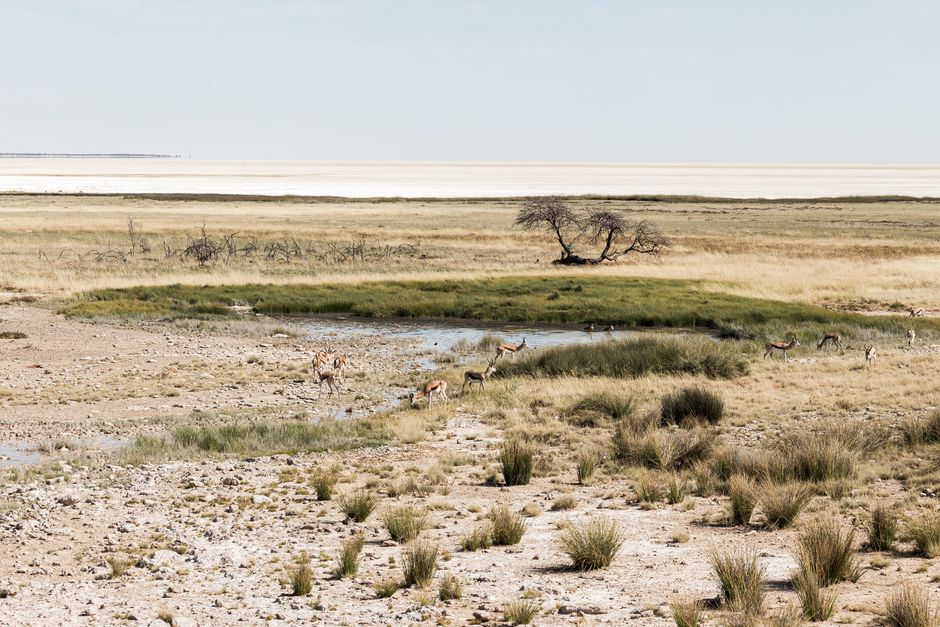
Etosha Pan and the seasons that concentrate animals
Etosha is famous for wildlife gathering around water, and that gathering changes with the seasons. During drier months, animals tend to spend more time at reliable waterholes, which makes early drives especially productive.
In wetter periods, animals spread out more and may travel farther between feeding and resting areas. The best eco-focused stays still keep viewing responsible in these conditions: instead of chasing animals across open ground, they adjust timing and focus on reading movement patterns.
Omaheke’s Kalahari rhythms and wildlife movement
Omaheke is drier, and much of its wildlife rhythm revolves around cover, heat, and occasional water availability. Drives here often work best when they account for daylight temperature shifts and animal comfort.
Because open areas can make animals more cautious, responsible operations avoid crowding at likely routes. Instead, they use ranger-led tracking to understand where animals have gone and when it’s safe to intercept at a respectful distance.
Drive formats: early sightings, sunset returns, and night checking
The most sustainable lodges structure drives so vehicles aren’t idling for long periods, and stops are planned rather than improvised. Early morning drives give you calmer light and often better animal movement before heat intensifies.
Sunset viewing can be excellent, but ethical operators still keep the number of vehicles limited and avoid sudden acceleration or close passes to “hold” an animal in frame. If night drives or spotlight sessions are offered, ask how they’re run to minimize stress and whether guests remain at a controlled distance.
Eco-Lodge Options Inside Etosha National Park
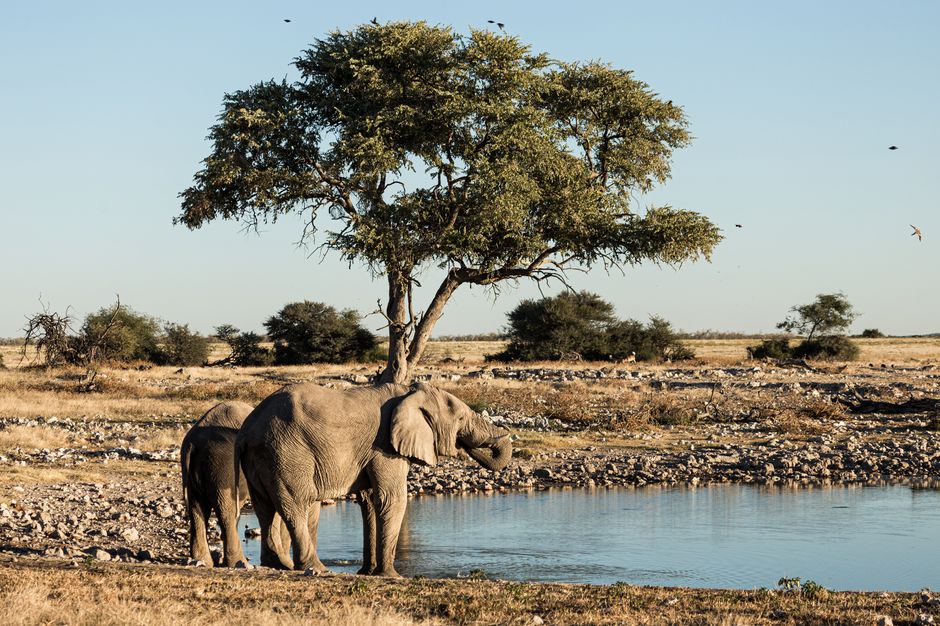
Halali Camp: in-park wildlife viewing with practical conservation routines
Halali Camp sits within Etosha’s protected area and is well suited to travellers who want drive schedules that are simple and wildlife-focused. Staying inside the park generally means you can spend more time on structured game drives and less time travelling long distances before you ever reach viewing areas.
For a conservation-minded experience, ask the camp team about vehicle discipline (how vehicles move and where they stop) and how waterpoints are managed from a wildlife perspective. You’ll also benefit from staff guidance on keeping a steady pace when animals are close, so the drive feels calm even when wildlife is active.
Okaukuejo Camp: waterhole watching with rules that protect animals
Okaukuejo is also inside Etosha and is known for waterhole activity, which is a major draw for desert wildlife viewing. The key eco angle here is how the waterhole experience is managed: the best in-park operations limit prolonged disturbance and reinforce quiet guest behavior when animals come in to drink.
When the animals are habituated to regular presence, the risk is that people assume it’s “fine” to crowd or linger. Choose drives and viewing windows that follow camp guidance, and focus on staying behind the boundaries set by staff.
Onguma Tented Camp: private-reserve viewing with structured drive controls
Onguma Tented Camp is located in the Onguma Private Game Reserve area adjacent to Etosha, where wildlife viewing is guided through organized drives. Eco-friendly stays in private reserves often have the advantage of tighter vehicle management because the number of participating vehicles is controlled, and drive routines can be adjusted more deliberately.
For your desert wildlife drives, that structure helps you keep a respectful distance and avoid disruptive “chasing.” When you ask about the camp’s approach, look for emphasis on low-impact routes, ranger-led or tracker-supported decisions, and clear rules around time spent at sightings.
Mushara Lodge: Etosha-area comfort paired with careful guidance
Mushara Lodge is another strong option in the Etosha region for travellers who want a quieter, guided style of game viewing. The eco-focus isn’t about luxury alone; it’s about how viewing is managed during drives and how the lodge supports wildlife-friendly operations.
A useful question to ask at check-in is how drives are planned when visibility is limited or when animals are feeding or resting. Well-run properties aim to adjust viewing behavior rather than increase vehicle movement. That’s the difference between a productive drive and a disturbance-heavy one.
Desert-Edge Stays for Omaheke and the Kalahari
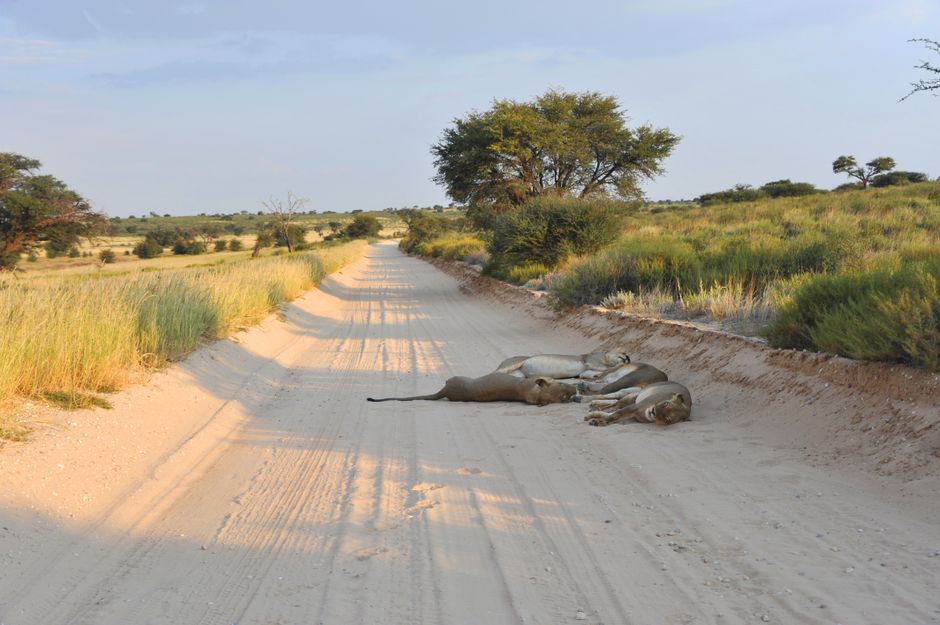
Kalahari Anib Lodge: tracking-led desert experiences with conservation intent
In Omaheke, conservation-focused stays are often tied to local stewardship and thoughtful tourism operations. Kalahari Anib Lodge is a well-known option for travellers seeking Kalahari wildlife viewing with a tracking element, which aligns closely with your goal of ranger-guided wildlife movement.
What makes this kind of stay valuable for desert drives is the way it supports reading the landscape: animals may not always be visible from a distance, so successful viewing depends on knowing where to look, when to pause, and how to approach without over-stimulating wildlife.
When you’re comparing stays in this area, ask how ranger-led tracking is integrated into daily drive planning and whether staff can explain the lodge’s approach to water use during guest stays.
What to ask about ranger-led tracking and water use
Omaheke’s desert wildlife can be more spread out than in Etosha’s water-centric areas, so tracking quality becomes a deciding factor. Before committing, ask whether guides and trackers lead sightings (rather than relying only on scanning from a route), and whether there are clear rules about vehicle distance and time at stops.
In terms of water stewardship, request clarity on camp operations: where water is sourced, how it is managed onsite, and what steps the property takes to reduce waste and contamination risk. An eco-focused lodge won’t just say it’s “green”; it can describe what guests should expect and how operations are monitored.
Ethics, Safety, and Planning for a Low-Impact Desert Trip
Wildlife welfare rules on drives and at waterpoints
Desert wildlife often concentrates around the same movement corridors and water areas. That means your behavior matters even more than usual because every extra minute of disturbance can change how animals drink, feed, or rest.
On drives and at waterpoints, follow the guidance of your guide and keep vehicle behavior predictable. If you’re offered a close viewing opportunity, treat distance rules as a non-negotiable minimum, not a flexible suggestion.
- Keep noise low and avoid leaning out or standing in vehicles
- Don’t block animal paths or crowd likely approach routes
- Follow staff instructions on whether to switch off engines and when
- If an animal shows stress, move on promptly when guided
Staying hydrated and respecting local communities
Desert safaris also depend on people. Respecting local community rules and lodge staff guidance helps ensure tourism benefits are felt locally rather than extracted.
Practical safety matters too: desert temperatures can rise quickly, and shade may be limited. Make sure the lodge provides clear advice on hydration and sun protection, and plan around the drive schedule so you’re not relying on last-minute stops in exposed areas.
Booking and preparation that protect the experience
For timing and availability, travellers sometimes use Booking.com to check dates and flexibility. Even then, it’s smart to confirm the lodge’s conservation approach directly, especially around drive intensity, water policies, and how tracking is handled.
Before departure, share your expectations with the lodge or tour coordinator: if you want conservation-focused, low-impact drives, say so and ask how that looks in practice. Questions worth sending include how many vehicles typically attend a sighting, what the lodge considers a respectful viewing window, and how ranger guidance shapes daily route decisions.
Overall, the best eco-lodge stays for Etosha and Omaheke desert wildlife drives are the ones that manage viewing like a conservation responsibility: limiting disturbance at water, steering guests through ranger-led tracking, and running operations that protect scarce water and fragile habitat. When you choose properties built around those priorities, you’re more likely to enjoy memorable sightings while leaving a lighter footprint on the desert wildlife that makes these regions special.
Leave a Reply