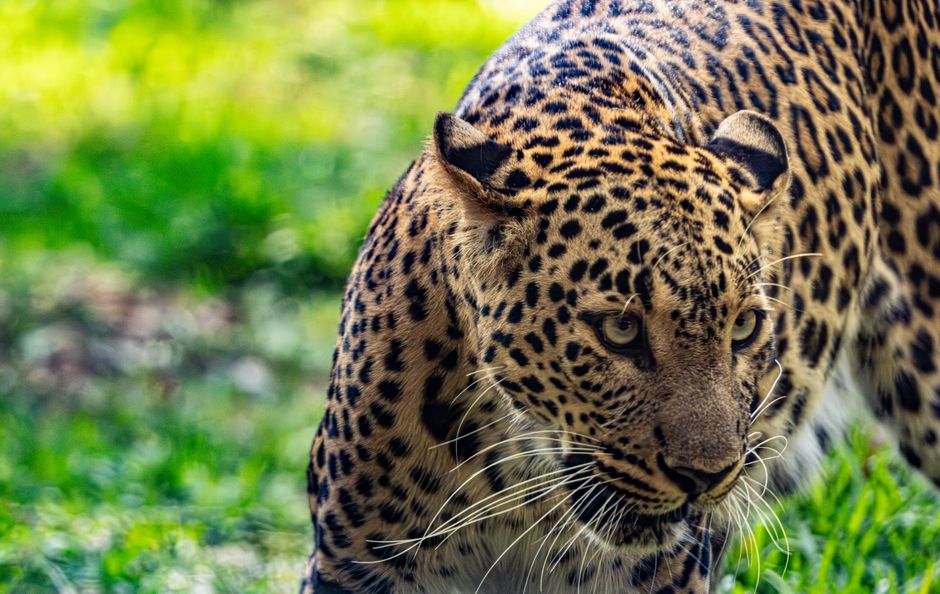
If you’re planning a safari trip to Niassa National Reserve, you might be wondering how to spot leopards and enjoy Lake Niassa wildlife sustainably.
This guide walks you through permit realities, realistic fly-in timing, which camp bases tend to suit different sighting goals, and how to keep your trip genuinely low-impact in a remote part of Mozambique.
Because Niassa is big, and wildlife behaviour is seasonal, good planning matters as much as luck. Done well, your days can feel focused rather than rushed: leopard drives when conditions favour big cats, and lake time when hippos, crocodiles, and birds are most active.
Permits, Access, and How Fly-Ins Usually Work

Permit realities and what you should expect
Niassa National Reserve sits in a remote landscape, and access is typically handled through an authorised safari programme rather than by individual, day-to-day wandering. In practice, this means your “permit” experience is often bundled into your safari package through the reserve’s entry process and the local operator’s coordination.
What matters for you is not the exact wording of the paperwork, but the practical steps:
- Ask how reserve entry and conservation/environmental fees are handled (often included in the total package).
- Confirm whether any activities (such as boat trips) fall under a separate access arrangement.
- Request a clear written summary of what’s included in your itinerary so there’s no confusion about vehicle tracking rules, guide/ranger accompaniment, or when you will be met at the airstrip.
Because leopard viewing is weather- and terrain-dependent, your operator should also be clear about how your schedule can adapt without leaving you stranded. A reputable fly-in programme plans for the fact that animals move, roads can be challenging, and timing often depends on light and lake conditions.
Fly-in timing: connecting to the reserve safely
A fly-in safari is designed to save long road transfers, but it still relies on straightforward logistics: getting you from a regional hub to the reserve via a small aircraft, then transferring you into the concession/camp area by vehicle or boat.
Plan your days around these realities:
- Weather can change flight schedules, especially during wetter months.
- The “arrival day” can include a transfer and an initial short game-viewing session, but it may not be a full day of drives.
- Your departure time should allow enough buffer for briefing, packing, and vehicle/boat transfers—particularly if your last activity includes the lake.
If you’re trying to cover both leopard and lake wildlife, build in at least one transition day for the reserve-to-lake or lake-to-reserve move, even if your operator keeps transfers tight. That buffer often makes your viewing more relaxed, which helps everyone: guides can adjust quietly, and animals are less likely to be stressed by rushed positioning.
Choosing the right “type” of fly-in
Not all fly-ins are identical. Some programmes focus on a single camp base for the full stay; others rotate between different concession areas to maximise leopard and lake time.
For your planning, ask two simple questions:
- Is the route designed for leopard-focused drives, lake-focused time, or an intentional blend?
- How often do you change base versus keeping one camp as your home for the whole trip?
A leopard-heavy itinerary usually values consistent access to productive woodland and track routes. A lake-heavy itinerary prioritises shore access and calmer scheduling for boat time.
Timing Leopard and Lake Wildlife for Best Chances

Seasonal patterns you can plan around
Niassa’s seasons influence visibility, tracks, and where animals choose to rest and feed. Dry periods generally improve ground conditions for driving and increase the chances of readable tracks; wetter periods can make roads slower and can also concentrate animals near water.
For leopards, you’re not only thinking about “when leopards are out”—you’re thinking about when they are moving between cover and hunt-ready areas, and when observers can safely position vehicles without disturbing them.
For lake wildlife, timing is often less about the month and more about water-level effects and the day’s light:
- Near-shore animals typically show activity patterns around sunrise and late afternoon.
- Birds often look most productive when you have clear light for scanning and a calm surface for boating.
Your best approach is to choose a travel window and then allow your operator to fine-tune daily timing based on what tracks, calls, and sightings indicate.
Daily rhythm: when leopard drives tend to be most productive
Leopard viewing is most successful when drives align with the cat’s movement and prey activity. In practice, that usually means:
- Planning longer, patient searches during prime light.
- Keeping routes flexible rather than forcing a fixed “sightings loop.”
- Prioritising respectful positioning and not chasing after quick, short sightings.
A leopard may offer one excellent sighting or none on a particular day. What matters is that the team makes systematic choices based on recent sign, not pressure to “deliver” a moment.
Lake timing: using light and calm water to your advantage
Lake time rewards good pacing. Early morning and late afternoon usually offer better viewing conditions for hippo and bird activity, while boat trips can produce clearer sightlines when the water is calmer.
If your goal includes African fish eagle sightings, ask your guide what the local routines look like on different days. Fish eagles follow fish and suitable perches, so successful viewing often comes down to where they’re active at that hour rather than simply “being on the water.”
Similarly, crocodiles and hippos may be visible from shore at certain times, but boat positioning (and quiet engines) often makes it easier to observe without pushing animals to move.
Camps That Fit Your Sighting Goals in Niassa

Dombe area base: a strong option for leopard-focused drives
If your priority is leopards and you want a base that supports repeated search effort, programmes that operate around Dombe Camp tend to suit that goal. A leopard-first itinerary benefits from staying steady: the longer the team works a familiar circuit, the better it can read sign and adjust to what’s happening on the ground.
When choosing a leopard-focused camp base, ask about:
- How far the camp’s vehicles typically travel for drives.
- Whether the team targets specific track types or focuses broadly each day.
- How sightings are handled when an animal is resting close to a road versus deeper in the bush.
The best leopard experiences aren’t about constant movement. They’re about confident searching and careful, quiet positioning.
Lakeside concessions and shoreline camps: hippo, crocodile, and bird goals
For Lake Niassa wildlife, you generally want time that’s long enough to make scanning and boating worthwhile, without constantly packing and relocating. Lakeside camps or shoreline access bases help because they reduce the “dead time” between lake activities.
This is where hippo and crocodile viewing often shines, especially when the team combines shore scanning with lake time. Birds also benefit because you can track flight patterns and perching behaviour as light changes.
Ask your operator how lake sessions are structured:
- Are boat trips offered daily or only under certain conditions?
- How do guides decide when to switch from shore viewing to on-water searching?
- What is the approach to keeping noise low and wildlife unhurried?
Blended itineraries: building a seamless leopard-to-lake rhythm
If you want both leopards and lake wildlife, consider an itinerary design that uses one base as your “anchor” and adds the other experience as a planned rhythm rather than a scramble.
A blended approach usually works best when:
- Leopard drives get dedicated mornings or afternoons when tracks and light are most useful.
- Lake time is treated as its own session with careful scanning, not squeezed into spare gaps.
- Transfers are scheduled with buffer time so animals and people stay calm.
In your planning conversations, bring your priorities and ask how the camp base you choose supports your exact mix, including a realistic plan for Lake Niassa boat trips.
Low-Impact Travel That Protects Wildlife and Your Experience

Viewing etiquette: keep distance, reduce disturbance
Low-impact safari habits protect animals and improve your chances of longer, more relaxed sightings. For large cats and lake wildlife alike, the rule of thumb is simple: observe without pressuring.
That means:
- Follow ranger and guide instructions on distance and angle.
- Avoid sudden vehicle movement to “block” an animal’s path.
- Use binoculars and scopes rather than leaning out or changing positions repeatedly.
For leopards in particular, consistent patience matters. A leopard that feels safe is more likely to continue hunting or resting in view. A leopard that feels pursued is more likely to disappear into dense cover, ending your opportunity quickly.
Noise and engines: especially important on the lake
On the lake, engines and unnecessary noise can change how animals use the shoreline. Keeping the boat quiet, staying mindful of wildlife distances, and letting the guide decide positioning helps prevent disturbance.
Good lake etiquette also supports safety: you want stable, predictable movements so you can watch calmly and avoid frantic repositioning.
Waste, water, and respecting local communities
Low-impact travel is not only about how you behave in the bush. It includes how you manage waste and water, and how your presence supports local livelihoods.
Practical steps that make a difference:
- Bring and use a personal waste system (and ensure it’s handled correctly at camp).
- Keep water use sensible, especially during drier stretches when supplies can be limited.
- Follow community and ranger guidelines around trails, village edges, and cultural spaces.
When guides explain why certain routes are avoided or why certain viewing windows are preferred, take it seriously. Those routines are often the result of conservation experience, not just habit.
Planning Your Fly-In Safari So It Stays Flexible and Smooth
Build an itinerary around “mission goals,” not time pressure
Your planning will work best when you build days around what you want to see, then allow your operator to adjust as conditions change. For your specific goals, think in terms of three mission blocks:
- Leopard-focused search time (built around repeated, patient drives)
- Lake wildlife scanning and boating (built around calm, light, and animal behaviour)
- Buffer time for transfers and weather
This structure reduces stress. It also gives you room to take advantage of good breaks in weather or sudden signs of leopard activity.
Ask the right questions before you go
Before finalising dates, make sure you can answer these planning questions with clarity:
- What’s the expected fly-in and transfer flow on arrival and departure days?
- How will boat conditions affect Lake Niassa boat trips?
- What is the camp’s approach to vehicle discipline and leopard viewing rules?
If you’re arranging any nights in nearby towns before the safari (to align with flight times), Booking.com can be helpful for comparing places to stay and making sure you arrive rested rather than rushed.
What to pack for comfort and conservation
You don’t need an elaborate kit for Niassa, but you do need practical items that support safety and low-impact habits.
Keep your packing functional:
- Neutral-coloured clothing for day drives and lake time.
- A light layer for early mornings and longer sessions.
- Binoculars if you’ll be doing lake scanning and bird observation.
- A simple rain plan (waterproof outer layer and a way to protect electronics).
Also consider travel comfort. When you’re spending long hours searching for leopard sign or watching lake wildlife, good footwear and sun protection matter. Comfort helps you stay patient, and patience helps you keep distance.
Overall, the best way to plan a Niassa fly-in leopard safari is to align your camp base and flight timing with your two viewing priorities, then stay flexible enough to let guides respond to animal behaviour and seasonal conditions. With clear permit expectations, calm viewing etiquette around leopards and lake wildlife, and genuinely low-impact habits, your days can feel both productive and respectful in Niassa National Reserve.
Leave a Reply