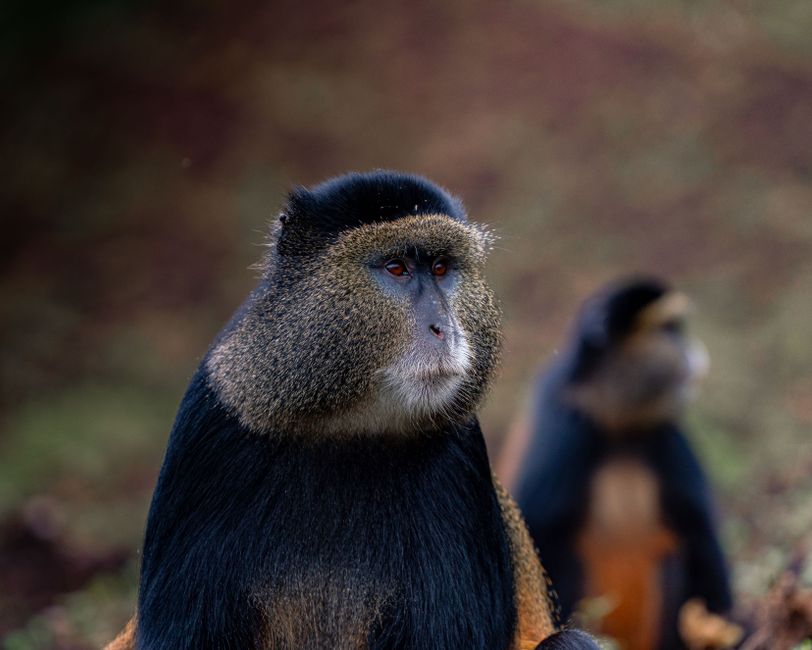
If you're planning a safari trip, you might be wondering how you can make your experience more sustainable. This guide shows you how to plan a golden monkey trek safari in Rwanda and Uganda, covering permits, best months, fitness level, what to pack, and the key rules for viewing golden monkeys in montane forests.
Golden monkey treks are rewarding because they combine close wildlife viewing with conservation-minded tourism. At the same time, the trek itself is physical, and the forest environment demands careful behaviour so the monkeys remain undisturbed.
Use this guide to build a sensible itinerary, ask the right questions about permits, and prepare so your time in the mountains is safe for you, comfortable for your guide, and respectful for the animals and local communities.
Permits and Deciding Between Rwanda and Uganda
Volcanoes National Park (Rwanda) basics
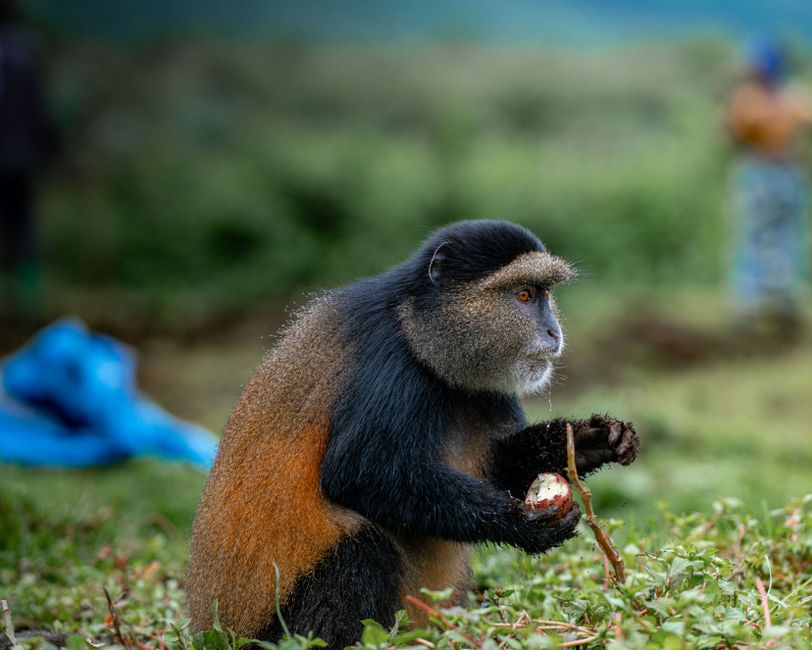
Rwanda’s golden monkey trekking is typically associated with Volcanoes National Park. If you’re travelling from Kigali or staying in nearby towns before your trek, this option often suits travellers who want a straightforward route to the montane forest trails where rangers guide you to the golden monkey groups.
Golden monkey treks in this region are run under park rules, and group sizes are kept manageable. That means you should be ready for a disciplined start time, ranger briefing, and a potentially changing route depending on where the monkeys are.
Mgahinga Gorilla National Park (Uganda) basics
In Uganda, golden monkey treks are linked to Mgahinga Gorilla National Park, part of the Virunga landscape. The terrain here is also steep and forested, and the troop-finding process depends on where the monkeys are moving through the montane habitat.
If you’re building a cross-border trip, Mgahinga can be a natural fit after Rwanda, especially for travellers who want to experience both sides of the Albertine Rift’s forest ecosystems.
How permits work and what to confirm
Before you plan flights and transfers, focus on permits and the details that affect your actual trek day.
- Confirm the permit conditions in writing. Ask what day your trek is for, the group start time, and whether you need to arrive early for checks and briefings.
- Understand the trekking format. Your permit will usually cover a ranger-led search and time with the monkeys once they’re located. The exact length can vary, so treat it as time-limited by design.
- Check replacements and rescheduling rules. Weather can affect forest access. Find out how the park handles delays, cancellations, or a change of troop.
For itinerary planning and practical logistics (like arranging transfers to/from trailheads and coordinating multi-day routing), some travellers find Viator helpful, but always verify permit arrangements directly with the relevant park or official channels.
Best Months and Mountain-Weather Planning

Dry seasons usually mean easier trails
Golden monkey trekking is possible in many months, but trail conditions make a big difference to comfort and safety. In the East African highlands around Rwanda and Uganda, the periods commonly experienced as drier tend to be June to September and December to February. During these windows, trails are often less slippery, and visibility can be steadier.
The wetter stretches—often March to May and October to November—can make the montane forest trails muddy and slower. Even when permits run as scheduled, the trek can feel longer because you move carefully over uneven ground.
Altitude, clouds, and visibility
Both Volcanoes and Mgahinga sit in mountainous terrain. That means mornings can start cool, with cloud cover sometimes rolling through the forest. Cloudy conditions aren’t necessarily bad for viewing, but they can change light levels for photography and how warm you feel during breaks.
If you’re prone to feeling faint at altitude or exertion, choose a month when you’ll be least stressed by travel and long driving days before your trek.
Plan a realistic buffer around your trek
Weather and troop movements don’t follow a timetable. Build a buffer day into your itinerary when possible, or at least schedule rest and an early dinner the night before. If something changes—route adjustments, delayed starts, or a need to move to a different troop location—you’ll stay calm and flexible rather than rushing.
Fitness Level and What the Trek Really Feels Like

Expect a moderate, off-trail hike
A golden monkey trek isn’t a flat nature walk. Even when guides keep the route as safe as possible, you may encounter steep sections, roots, rocks, and slippery patches in dense montane forest.
The main challenge is usually the combination of inclines and uneven footing, not long-distance speed. Treks can also involve waiting and moving when rangers locate the troop.
Pacing matters more than speed
To enjoy the experience (and conserve energy), adopt a steady pace: short steps on climbs, regular breathing breaks, and staying close to your guide’s instructions.
If you’re coming from sea level or you haven’t been active recently, focus on building endurance for uphill walking. Even a few weeks of training helps: stair climbing, hill walks, and practising how you move over uneven ground.
When to ask for a slower approach
There’s no prize for suffering. If you feel breathless, have a knee issue, or struggle with uneven terrain, tell your ranger or guide during the briefing. Guides can often keep you in a manageable group pace.
If you have a medical condition, consider discussing it in advance with your doctor. Also remember that the forest can be cooler than you expect, so warmth and hydration still matter.
What to Pack for Golden Monkey Trekking
Footwear and clothing for wet, cool conditions
In montane forests, you can face a mix of humidity, sudden showers, and cool air—especially before the sun warms the canopy. Dressing in layers is usually the most practical approach.
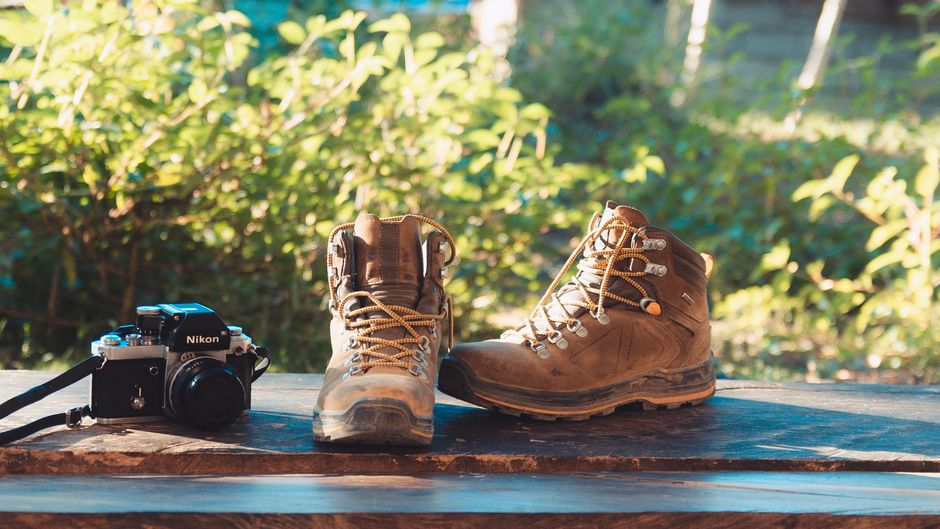
Good socks and well-broken-in boots are essential. Choose footwear with grip for muddy slopes and traction over roots and stones.
Essentials for comfort and safe viewing
Bring the items that help you move safely and keep your energy steady without creating distractions for the monkeys.
- Sturdy hiking boots with solid grip
- Moisture-wicking base layer plus a warm mid-layer (fleece or similar)
- Rain jacket that fits over your layers
- Lightweight daypack you can keep secure while hiking
- Sunglasses and a hat (the canopy still allows glare on bright days)
- Water and a small, energy-appropriate snack (avoid strong smells)
- Binoculars for watching without crowding
- Gloves (optional, but helpful if it’s cold or damp)
Other useful items include a small towel or wipes for personal hygiene and a waterproof cover for your phone or camera.
Keep valuables simple
Once you find the monkeys, the priority is respectful viewing rather than handling gear. Avoid anything that slows you down or makes noise every time you reach into your pack. Secure your camera strap so it doesn’t catch on branches.
If you wear glasses, ensure they’re stable; forest humidity can fog lenses quickly. And if you plan to take photos, remember that welfare comes first: follow the ranger’s instructions on distance and how to move.
Rules for Viewing Golden Monkeys in Montane Forests
Distance, movement, and noise etiquette
The core viewing rules are designed to prevent stress to the monkeys and protect the forest habitat. Your ranger will brief you before you enter the area where the monkeys are found.
In general, you should:
- Stay at the minimum distance your ranger sets and avoid crowding.
- Move slowly and deliberately once the troop is located.
- Keep voices low and avoid sudden gestures or running.
- Let the guide manage the position of the viewing group.
If you’re tempted to edge closer for photos, remember that the troop’s behaviour is a signal. If the monkeys change posture, retreat, or become alert due to pressure, it’s time to give space.
Hygiene and animal welfare do’s and don’ts
Golden monkey treks are a close-in experience, so disease prevention and general welfare matter. Keep the rules simple and consistent with most primate-watching ethics.
- Do not feed the monkeys or offer food in any way.
- Avoid touching branches or structures that could displace animals.
- Avoid getting too close if you’re unwell. If you have a respiratory illness, tell the guide during briefing.
- Wash or sanitise hands if you’re handling shared equipment or after using a restroom before rejoining the group.
Also, don’t let your presence turn into extended stalking. If the park sets a time limit for viewing, treat it as part of the conservation design.
Photography without creating pressure
Photography is often the highlight, but in montane forests it can also become the reason people behave unsafely or disrespectfully. For the best outcome, plan to take photos from where your guide tells you to stand.
Avoid blocking your view by pushing forward. Use zoom rather than stepping closer. Keep noise low, turn off loud camera sounds, and resist the urge to reposition repeatedly.
If a ranger asks you to adjust position or step back, follow immediately. The goal is a calm experience where you’re an observer, not a disturbance.
By following these permits-first steps, choosing trekking months that match your comfort with weather, preparing your fitness realistically for steep forest trails, packing for cool wet conditions, and sticking closely to ranger-led viewing rules, your golden monkey trek can be both memorable and responsible in Rwanda and Uganda.
Leave a Reply