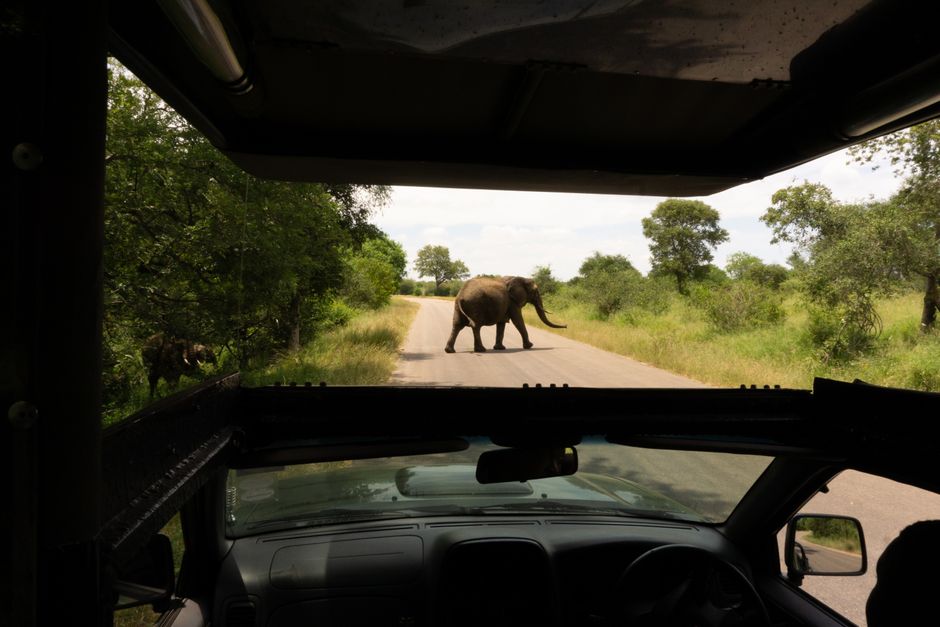
If you're planning a safari trip, you might be wondering how you can make your experience more sustainable.
Staying closer to the wildlife is one of the simplest ways to travel more thoughtfully, because it reduces time spent commuting and helps you keep your days flexible for wildlife-first moments. This guide helps you choose where to stay in Kapama or Hoedspruit so your self-drive days in Greater Kruger feel relaxed, with more time behind the wheel and less time in transit.
You will learn which neighbourhoods and nearby reserves make self-drive especially practical, how to structure multiple short game-drive sessions from one base, and what rules keep both wildlife and people safe on the road.
Choosing a Base Between Kapama and Hoedspruit

Prioritise drive time to the “right” entry points
When you stay in Kapama, you are typically choosing proximity: many game drives start with fewer minutes on tar or gravel before you’re in proper reserve-country. From Hoedspruit, you can also be well placed, but the goal is to select accommodation that keeps you close to the route you’ll use most often for your self-drive days.
In practice, that means thinking in terms of which part of Kruger you want to access most regularly. If your plan focuses on the Orpen-side entry approach, choose a base that makes that route convenient. If you aim for a Phalaborwa-side approach for a second or “change-up” day, make sure your accommodation doesn’t force long, tiring hops between drives.
Plan for several short sessions, not one long day
A self-drive safari day becomes much more enjoyable when it includes two or three shorter outings. For example, an early morning drive can capture peak movement when animals are more active, while a late-afternoon drive often delivers calmer roads and strong light for viewing.
Short sessions also help you adapt. If you find good sightings, you can extend slightly. If the roads are busy or wildlife activity slows, you can return for a rest without feeling you “wasted” a whole day.
Confirm vehicle and gate-related access before you arrive
Self-drive success depends on matching your vehicle to the road conditions and understanding the access rules of where you’re staying. Some reserves and estates have specific entry procedures, speed limits, and gate times, and your accommodation may ask you to follow house rules about game-drive routes.
Before departure, it’s worth checking whether your booking includes a clear driving plan for the reserve/estate roads and whether you’ll need to pre-register your vehicle.
Top Areas to Stay for Quick Self-Drive Access

Kapama Private Game Reserve: convenience for repeat drives
If your ideal safari includes several short game-drive sessions, Kapama Private Game Reserve is often the most straightforward option. Staying inside or immediately adjacent to Kapama tends to reduce “dead time” between sightings and makes it easier to return for breaks between drives.
This is also a good fit if the itinerary includes both morning and evening viewing, because your start times can be earlier without feeling like your day is consumed by transit.
Hoedspruit Wildlife Estate and Hoedspruit town: flexible staging
Hoedspruit offers an advantage that Kapama cannot fully replicate: flexibility. Bases on or near Hoedspruit Wildlife Estate can be convenient for self-drive days because the area sits between different Greater Kruger approaches.
From here, you can mix and match your reserves and Kruger access based on the day’s conditions, wildlife reports from within your chosen area, and what your group prefers. That makes Hoedspruit particularly practical if different members of your party want different pacing, such as one person focusing on photography and another on relaxed viewing.
Nearby Greater Kruger reserves: choose the loop that suits your week
If you want to explore more than one reserve without increasing daily drive time too much, think about a “loop plan” rather than a strict point-to-point itinerary. Balule Nature Reserve, Klaserie Private Nature Reserve, Timbavati Private Nature Reserve, and Drakensig Safari Area are all commonly used to build varied self-drive days around the Greater Kruger ecosystem.
A useful way to decide is to ask: which roads and viewing style do you want most often? Some reserves feel more open and driving-friendly for longer loops, while others can be better suited to shorter, more frequent returns to a campsite or lodge base. The best plan is the one that lets you stay flexible enough to take advantage of what you actually see.
Building a Self-Drive Schedule That Works

Map your “morning route” and “evening route” first
A realistic self-drive plan usually starts with two fixed anchors: an early route and a late route. Once those are defined, the rest of the week becomes easier.
Start by choosing the route that typically gets you into the best viewing terrain soon after you leave your accommodation. If you’re accessing Kruger National Park from the Orpen area, plan your morning drive around that access point. If your plan also includes Kruger National Park from the Phalaborwa area, treat that as a second route option for one of your days rather than forcing every day to change direction.
Use “change-up” days to prevent fatigue
Even the best safari base can become tiring if every drive begins with long road time. A change-up day keeps momentum without exhaustion: for instance, you might do a shorter loop in Balule one day, then switch to Klaserie for a different habitat feel the next.
The aim is to keep drive time predictable. When you know you only need to commit to one main area for the day, your group stays refreshed, and you are more likely to spot wildlife because you’re not rushing.
Keep buffers for gates, road conditions, and weather
Greater Kruger roads can be affected by weather, dust, and road works. Build in time for slower gravel sections, and keep a buffer for any gate or access procedures.
This is also where short sessions shine. If the morning goes differently than planned, returning for lunch or a rest is easier, and you can still complete an evening drive when conditions improve.
What Self-Drive Safari Viewing Looks Like
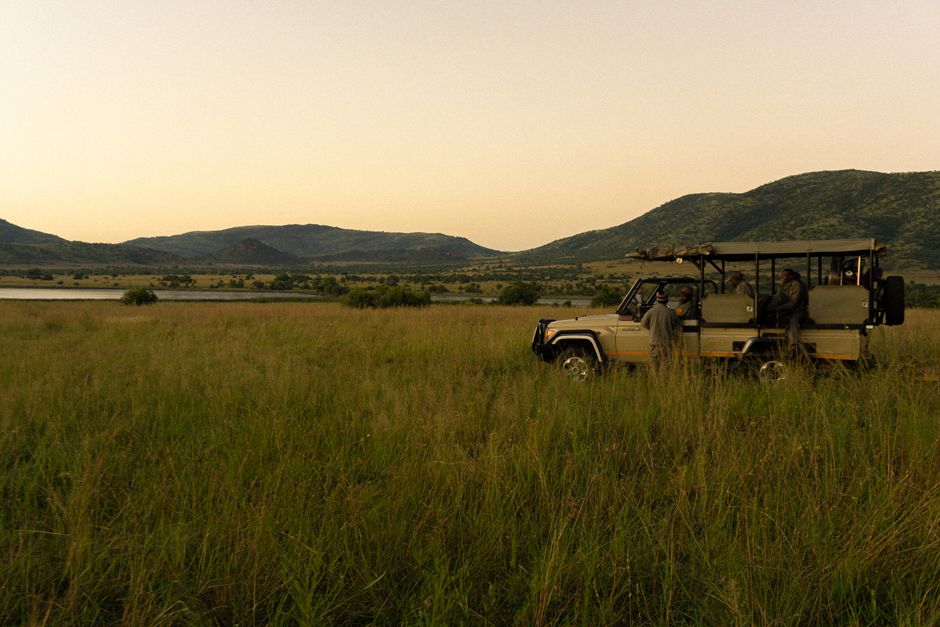
Expect more “found time” when you drive short sessions
Self-drive can feel especially rewarding when each outing is purpose-built. Short drives help you stay alert to subtle movement and to smaller details, which often lead to the best sightings.
In Greater Kruger, different animals show up differently depending on time of day and recent activity. Rather than trying to chase everything for the sake of a checklist, focus on how the day evolves: a quiet morning can turn lively by late afternoon.
Use the road to read the landscape
A good self-drive approach is about learning the terrain quickly. Notice where vegetation thickens near watercourses, where roads intersect more open plains, and where animals may funnel toward food or shelter.
From Kapama and Hoedspruit bases, the advantage is that you can make multiple attempts during your stay. If you don’t see much on one loop, you can adjust slightly on the next session rather than switching lodgings.
Know when a guided drive adds value
Self-drive is flexible, but it’s not the only way to view wildlife. Some days may benefit from a guided option, especially when visibility is limited or when you want a higher chance of locating certain species or understanding local movement patterns.
Using guided drives as “support” rather than as a replacement helps you maintain the self-drive pace that you chose in the first place.
Safety, Etiquette and Community-Respect Practices
Follow wildlife-first rules on every drive
The safest, most respectful self-drive experience comes from consistent behaviour. Keep vehicle speeds appropriate, stay on approved roads, and never block or crowd wildlife.
If you encounter animals close to the track, remain calm and allow space. Wildlife can move suddenly, and it’s easy for vehicles to get too close when excitement builds. The best viewing often happens when the vehicle is steady and observant rather than rolling up to get a “better view.”
Drive responsibly near reserves and public areas
Even when you are only passing through an area, driving etiquette matters. Dust affects visibility for other drivers, and improper parking can create hazards for both wildlife and fellow guests.
As a rule of thumb, keep engine noise and movement minimal when people are viewing, and avoid unnecessary backtracking that can disturb animals repeatedly.
Here are practical self-drive guidelines that help keep everyone safe:
- Stay on the correct roads and do not cut across sensitive areas.
- Keep a respectful distance and do not approach for photos.
- Never leave the vehicle where it’s not clearly permitted, and follow reserve rules exactly.
Plan bookings around estate and reserve rules
Accommodation in Greater Kruger is not just about comfort; it often includes rules that affect self-drive days, such as vehicle access times, where you may park, and how check-in and check-out work.
If you’re comparing availability across Kapama-adjacent stays and Hoedspruit options, Booking.com can be helpful for checking what is actually available for your dates and for seeing how properties describe their driving access.
Also pay attention to communications on arrival. Good hosts explain where your routes start from, how to handle gate procedures, and what to avoid. This prevents misunderstandings and keeps your drives smooth.
By following these drive-time and planning principles, you can turn a base in Kapama or Hoedspruit into several productive safari sessions. Choose proximity first, build two repeatable daily routes, rotate your reserves and Kruger access thoughtfully across your week, and keep safety and respect central. Done well, self-drive in Greater Kruger becomes less about ticking boxes and more about sharing calm, patient time with wildlife.
Leave a Reply