
If you're planning a Kenya safari, you might be wondering how to plan a safe Aberdare night walk with a ranger briefing.
This guide walks you through how to book, what the ranger-led briefing and night route look like, the kinds of wildlife chances people commonly have, and the quiet, respectful movement skills that keep both you and the animals safe in forest terrain.
Booking Your Aberdare Night Walk With a Ranger Briefing
Start through your operator or lodge’s wildlife team
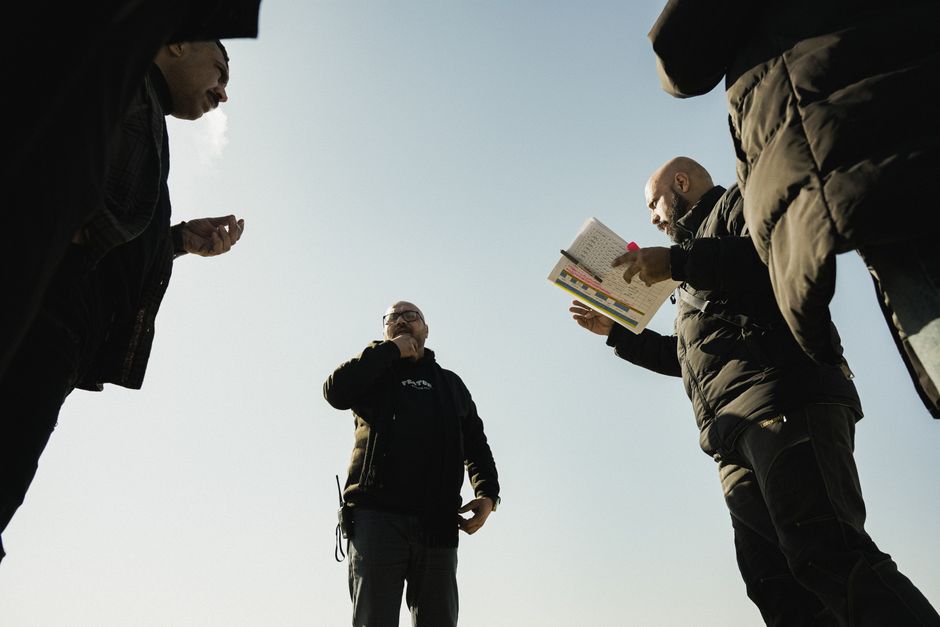
In the Aberdare National Park area, night walks are typically run under local management, with access coordinated through the relevant conservation authority or the guiding team linked to the park. The smoothest approach is to book through the same organisation handling your safari arrangements (often your lodge or a safari operator), so you can confirm the exact meeting point, timing, and ranger availability.
If you are planning independently and want a date first, some travellers arrange a night-walk option through Viator and then follow up directly with the guiding team to confirm park rules, inclusions, and pick-up details. Either way, insist on clarity: who the ranger is, where you gather, and what safety equipment or footwear is expected.
Make the briefing part of your plan, not a formality
A proper ranger briefing is the backbone of the experience. Expect the ranger to explain the purpose of the walk, the route and turnaround time, and the behaviours that matter most after dark. Ask questions before you ever step off the track, especially about lighting (how to use torches if allowed), spacing, and what you should do if wildlife appears close to the group.
Confirm your group level and pace
Night walks differ from daytime game drives. Before you commit, ask how physically demanding the walk is and whether the group travels at a steady pace or pauses often for viewing and listening. If you have mobility concerns, tell the operator early; it is better to adjust your plan than to push beyond what you can safely handle on uneven, possibly wet ground.
When and Where You’ll Walk in the Aberdare Forest
Choose the season that best matches your comfort
Aberdare conditions can change quickly, especially with mist, drizzle, or heavier rain on some evenings. Rather than chasing a specific “perfect” night, aim for the overall period when weather disruption is least likely for your itinerary. Your operator can usually advise based on recent conditions, including whether a walk is likely to be altered or cancelled.
Be realistic about cloud cover and visibility. On some nights, you may have clear sightlines through the forest; on others, darkness and fog reduce visibility and make careful footing even more important.
Expect forest terrain, low visibility, and frequent listening
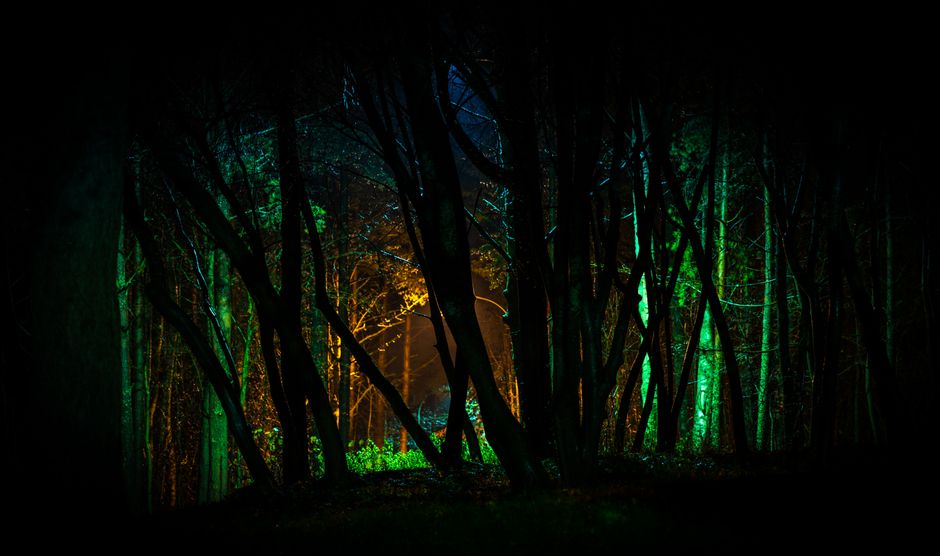
The “where” matters: Aberdare night walking typically happens on forest paths or guided trails rather than open plains. The ranger will choose routes that match wildlife movement and safety constraints. As a result, you may encounter slippery patches, rough roots, narrow sections where the group must single-file briefly, and areas where you cannot see far ahead.
The key skill is mental: shift from “looking for animals” to “moving safely while observing signs.” At night, the ranger’s job includes reading the forest—interpreting calls, movement, and likely animal presence—so the group stays on the right side of both safety and animal welfare.
Dress for warmth and traction, not just for looks
Forest evenings are often cooler than you expect, and wet trails can make temperatures feel lower. Wear layers you can adjust during stops, with footwear that grips well on damp ground. If there’s any chance you’ll be asked to walk quietly for long stretches, comfortable socks and shoes matter as much as warmth.
If you have a choice, avoid clothing that catches on branches or makes noise. The goal is simple: you should be able to move carefully without constantly tugging at your jacket or shuffling to stay balanced.
The Night Walk Experience: Quiet, Safe Movement

Follow the ranger’s spacing and sound rules
Etiquette starts before you step off the trail. The ranger may set a recommended spacing so the group can move smoothly without crowding or startling animals. Listen for instructions about speaking volume, where to keep your torch beam, and when you should stop.
Once you are walking, aim for “quiet footsteps”: place your feet deliberately, avoid stomping leaf litter, and do not brush too hard against vegetation. Keep your arms close and move in a controlled rhythm. If you need to adjust something (a strap, a camera bag, a hood), do it during a pause rather than mid-step.
Use your eyes responsibly when wildlife shows up
If the ranger spots a likely animal, expect immediate changes: more spacing, slower movement, or a full stop to listen. The etiquette is to hold position as instructed and let the ranger manage the sighting.
When you see movement—especially eye-shine or silhouettes—avoid rushing toward it. No matter how tempting it is to get “one better look,” moving closer increases stress for the animal and raises the risk of surprise. Viewing at night should be about steady observation, not approaching.
Know what to do if you hear, but can’t see, an animal
Many night encounters are first detected through sound: calls, footsteps, or rustling that suggests animals nearby. In those moments, resist the urge to shine light in every direction or start calling to one another.
Instead, pause and follow the ranger’s guidance. Quietly listening is often what prevents you from stepping too close or obscuring the animal’s comfort. If the ranger decides the group should move, you will hear it clearly; otherwise, hold your position and keep the group calm.
Wildlife Chances in Aberdare After Dark

What you might realistically see
Night wildlife viewing in forest terrain is always variable. Still, certain species are known residents of Aberdare habitats, and a ranger who reads the landscape can sometimes bring the group to the right place at the right time. Here are examples of wildlife chances people often associate with ranger-led night walks in the Aberdare forest:
- Giant forest hog
- Duiker
- Genet
- Serval
- Bushbaby
- Leopard
- Elephant
Even with good conditions and careful ranger work, remember that “not seeing something” can still be a success. The walk is designed around safety, quiet observation, and learning how nocturnal animals move through their habitat.
Look for signs, not guarantees
In dense forest, animals are frequently present without becoming obvious. Watch for context: fresh tracks near the trail edges, small disturbed patches of ground, or lingering sounds that suggest activity just out of sight. A ranger may also stop to explain what those signs mean and whether the group should remain still.
This approach keeps expectations realistic. You are not guaranteed a leopard or elephant sighting. Instead, you are given the chance to share the forest’s night soundscape and detect what’s moving nearby.
Choose safe viewing distances set by the ranger
If wildlife is close enough for clear observation, the safest rule is simple: follow the distance your ranger chooses. Night walking has less predictable visibility than daytime safaris, and animals may move suddenly.
As a visitor, your job is to maintain calm, keep lights controlled, and avoid gestures that could look like an approach. If the ranger tells you to step back, stop your movement immediately. If the ranger tells you to remain quiet and still, do that even if the animal becomes less visible.
Safety Rules, Animal Welfare, and Forest Etiquette
Core safety rules you should expect every time
Ranger-led night walks are safe when everyone follows consistent procedures. Before you start, confirm where you should stand during stops, how to manage torches, and what to do if you accidentally get separated. If something feels unclear, ask.
Common safety behaviours include:
- Stay on the guided route and never cut off ahead of the ranger
- Keep your voice low and avoid sudden movements or loud laughter
- Use light only as instructed, and never shine beams directly into an animal’s face
- If asked to stop, stop fully; if asked to move, move as a group
Your ranger may also set a headcount or check-in point. Take it seriously, especially if the forest is uneven or visibility is reduced by mist.
Respect animal welfare by avoiding temptation to “help”
Forest etiquette is also animal etiquette. Do not feed wildlife, do not try to lure animals closer, and do not attempt to record sounds by imitating calls. Even well-meaning actions can disturb nocturnal behaviours and increase risk for both animals and people.
If you encounter signs of recent activity—such as fresh rooting or disturbed areas—view from the safe position the ranger provides. The goal is to observe without interfering. That is how night walking stays both ethical and genuinely enjoyable.
Be considerate toward local communities and protected areas
Your behaviour matters beyond the trail. Keep trash contained, respect park boundaries, and treat every member of the guiding team and community staff with the same professionalism you expect for yourself.
After the walk, take a moment to confirm any follow-up instructions: how to return safely, where to meet for debriefing, and whether the next activity depends on night conditions. If you plan to take photos, ask whether flash is allowed; when it is discouraged, it is usually because it can cause stress and disrupt nocturnal patterns.
Overall, the best Kenya Aberdare night walks are planned around one simple mindset: preparation plus quiet respect. Book through a trusted guiding team, take the ranger briefing seriously, move carefully in forest terrain, and treat every sighting as something happening first for the wildlife, then for your safe and responsible enjoyment.
Leave a Reply