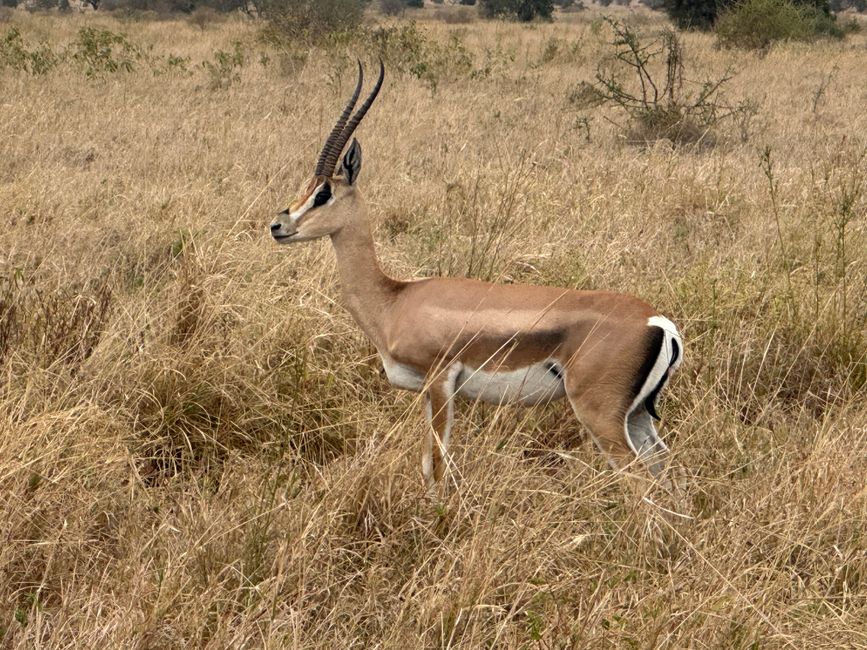
If you're planning a safari trip, you might be wondering how you can make your experience more sustainable.
If you’re headed to Tanzania’s southern circuit, one of the simplest ways to improve both your comfort and your time on the wildlife roads is choosing the right place to sleep. Staying “close enough” to your main game-viewing area means fewer long transfers, earlier starts when animals are most active, and less disruption to the landscapes your guides are trying to read.
This guide focuses on where to stay in Kusini when your priority is Nyerere National Park (the former Selous), plus nearby options within the southern circuit. You’ll also get practical advice on which kinds of rooms tend to work best for early game drives, so mornings run smoothly and calmly for everyone.
Start With the Drive Geography: Why Kusini Proximity Matters
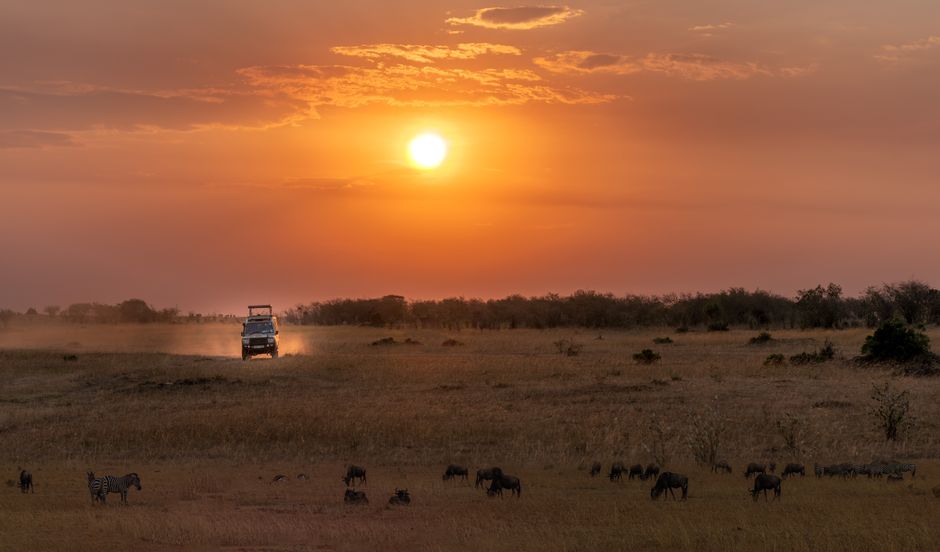
What “near Nyerere” really means for daily drives
When travellers say they want to be “near” Nyerere National Park, it helps to think in minutes, not maps. A base that looks reasonable on a route plan can still mean a long, slow transfer if the road surface changes or if vehicle turnaround at the park access point takes time.
The best bases for Kusini-to-Nyerere touring are usually the ones that reduce time on the road before breakfast and keep your game-drive start predictable. That predictability matters for wildlife welfare too: guides can stick to a consistent routine rather than rushing to make late departures.
Which parks you’ll reach with less driving
To help you plan your stay structure, these are the southern-circuit options this article is built around:
- Nyerere National Park
- Mikumi National Park
- Udzungwa Mountains National Park
- Rufiji River boat-and-game viewing (within the Nyerere experience)
- Ruaha National Park (as a longer-drive add-on)
If you’re trying to minimize transfers overall, treat Nyerere as the anchor and shape everything else around how many hours you’re willing to spend moving each day.
Choose the Right Base in Kusini: Areas That Keep Mornings Easy
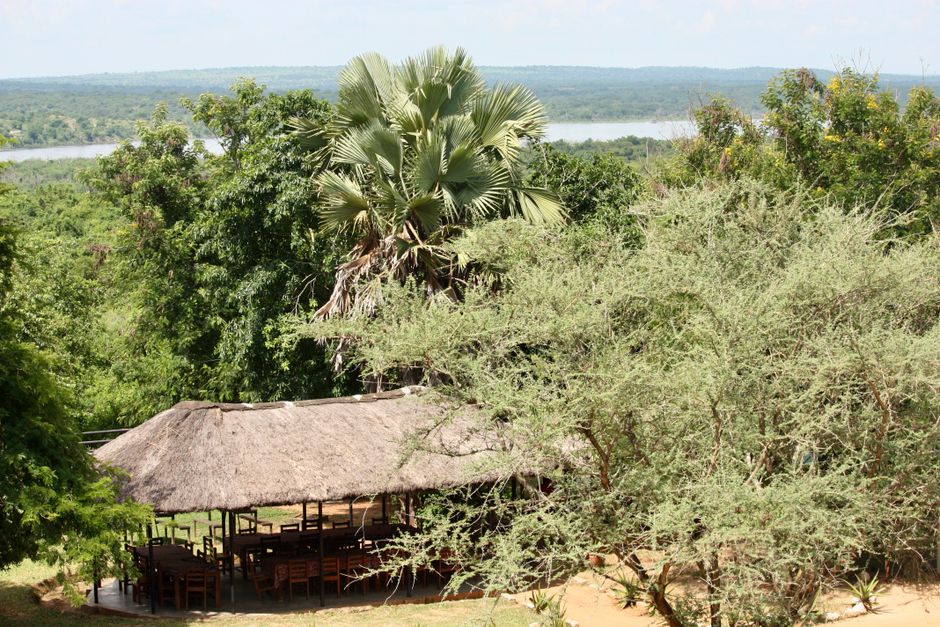
Kusini-style bases aimed at Nyerere day schedules
For wildlife drives focused on Nyerere, the most useful lodging “areas” are the ones that serve as practical staging points for the morning route into the park. In practice, that means choosing accommodation where your guide can collect you without a complicated detour, and where you can expect an early start without a late-night scramble.
Look for bases with good access to the main roads leading toward Nyerere’s entry routes. Even if the lodge isn’t inside the park itself, being positioned on the side of the road network that matches your daily itinerary can reduce the “dead time” between breakfast and the first sightings.
Mikumi as a close-by pairing, not a second long journey
If your itinerary includes Mikumi National Park, it works best when it’s treated as a shorter add-on rather than a competing destination. A Kusini base that makes Nyerere mornings efficient often also makes Mikumi doable on either a single dedicated day or a “two parks, one route” structure.
This is especially helpful if your group wants one day that’s lighter on driving but still gives strong wildlife chances. Guides can often calibrate timing so you’re not leaving too early on days when you’d prefer a more relaxed start.
Udzungwa for a different rhythm: walks, then roads back
Udzungwa Mountains National Park is a good partner when your group wants variety beyond classic plains wildlife drives. The key is to plan Udzungwa days around how your lodge base fits the timing of forest activities and the return drive.
Because mountain and forest schedules can be weather-sensitive, the most comfortable Kusini approach is staying where you can pivot without stress: easy access for a morning walk, a calm mid-day return, and enough buffer to reach dinner without fatigue.
Rooms That Work for Early Drives: A Practical Checklist

Prioritize where you’ll be when the alarm goes off
Early game drives work best when your morning routine is boring in the best way. When you’re choosing rooms, consider how far you’ll need to walk from your sleeping area to reception or the dining spot, especially if you’ll be leaving before sunrise.
In many camps and lodges in this region, morning departures involve hot drinks, quick breakfasts, and vehicle loading. Rooms that are far from the main area can mean cold, dark paths and longer waiting time for your group.
Choose quieter, cooler areas for better rest
Early departures can be disrupted by heat and noise, so room choice should support sleep quality. If a lodge has multiple categories, the safest bet for an early-start itinerary is a room that stays comfortable overnight and minimizes road noise.
When possible, request a room that is:
- Close to the dining/reception area (for fast departures)
- Away from the loudest traffic corridors or service routes
- Positioned to stay cooler during the evening
Even if the view is not the top feature, the ability to wake well can improve how your guide manages the day’s rhythm. Relaxed travellers also tend to follow viewing rules more consistently.
Bedding and bathrooms: don’t leave comfort to chance
Some lodges are set up so rooms vary significantly in layout. For early drives, the practical goal is simple: reduce “morning friction.” A well-lit path to the bathroom, a functioning hot-water routine if your itinerary allows, and an easy space for packing kit can make a marked difference—especially on consecutive safari days.
The Wildlife-Drive Experience: What You’ll See With This Strategy

Nyerere National Park: time on the road, time with wildlife
With Nyerere as the anchor, your Kusini base should serve one main goal: getting you onto the best roads during the times wildlife is most active. That usually means early departures, steady pacing, and letting your guide decide when to stop.
In Nyerere, game-viewing often rewards patience and wide scanning, particularly along river-linked habitats and open areas where animals may move between water and grazing. A base that supports early starts helps you reach those moments while animals are still active rather than waiting for the light to catch up.
Ruaha as a longer-drive add-on: only if your timing allows it
Ruaha National Park can be an excellent add-on, but it’s a different scale of commitment. If Ruaha sits farther from your Kusini base than Nyerere or Mikumi, the best approach is to treat it as a “stretch day” rather than something to force into a tightly scheduled loop.
If your group is energy-sensitive, the room and lodge area choices still matter: pick accommodation that lets you recover between long driving segments so your viewing stays attentive and safe.
Mikumi and Udzungwa: variety without over-complication
Mikumi National Park adds another texture to a southern circuit trip, while Udzungwa Mountains National Park offers forest and altitude experiences that can feel worlds away from plains safaris. The benefit of using Kusini bases well is that you can keep these changes manageable.
Guides typically coordinate viewing so you’re not constantly shifting wake-up times, vehicle loading routines, or expectations about how “hard” the next day will be. That steadiness supports good wildlife etiquette and keeps your plans realistic.
Keep It Safe and Respectful: Ethics, Conservation, and Smoother Drives
Viewing rules that protect wildlife and passengers
Good safari etiquette is as much about safety as it is about wildlife welfare. Your guide will run the vehicle, but you can still support a calm environment for animals and for your group.
Use a simple mindset: slow down, stay still when asked, and avoid any behaviour that encourages animals to approach vehicles. In conservation areas, the goal is that animals remain free to choose where they feed, drink, and rest.
When you’re viewing, the most helpful habits are:
- Keep noise low and avoid shining lights at animals unless instructed
- Stay quiet when animals are feeding or moving closely to the road
- Follow the guide’s hand signals for when to stop or reposition
Community-minded stays and responsible spending of time
Choosing accommodation that supports local staff and community links makes a difference beyond comfort. It can also reduce disruption, because well-run lodges tend to train staff on calm guest behaviour, safe vehicle logistics, and wildlife-respecting routines.
On the ground, that often looks like clear guidance on how to behave in and around the lodge, thoughtful timing for shared activities, and respect for cultural space. Over time, these small behaviours add up to a tourism experience that protects both wildlife and local livelihoods.
Practical planning so the day stays flexible
Even with good planning, weather, road conditions, and animal movement can change the pace. Build in buffer time so you can respond without rushing, especially on longer transfer days.
If you’re comparing lodge availability for your Kusini dates, Booking.com can be one convenient option to check room layouts and cancellation terms when schedules are still shifting.
Overall, staying in Kusini with Nyerere as the anchor is about reducing uncertainty: choose a base that keeps morning departures straightforward, select rooms close enough to the main area to avoid rushed transfers, and plan park days in a way that respects the rhythms of both wildlife and people. When you optimize for time on the viewing roads and calm logistics, your safari becomes easier to enjoy responsibly.
Leave a Reply