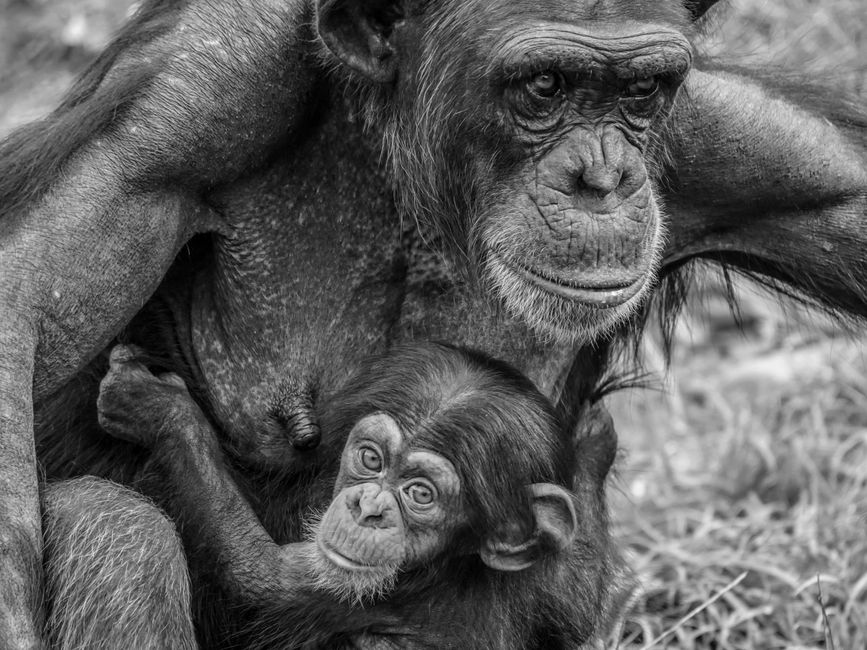
If you're planning a Kyambura Gorge chimp trekking safari in Uganda, you might be wondering how to organise the essential details without cutting corners. This guide covers permits, trek day timing, what the forest walk is like, ranger rules for respectful viewing, and the best neighbouring bases for an efficient itinerary.
Kyambura Gorge sits within Queen Elizabeth National Park, where you’ll trek into forest in search of chimpanzees. The experience is memorable partly because it’s wild and unpredictable, so planning well helps you stay safe, follow rules, and reduce stress on the animals and the people who protect this habitat.
Permits and logistics for Kyambura Gorge chimp trekking
What the chimp trekking permit really covers
A Kyambura Gorge chimp trek requires a chimpanzee tracking permit linked to your day and your entry. The permit essentially buys you access to the guided search for chimps and the scheduled activity structure that keeps everyone safe: ranger briefing, group tracking, and an encounter window once chimps are found.
Because permits are typically limited and trekking success depends on chimp movement, it’s important to treat the trek as a guided conservation activity, not a guaranteed “chimp sighting.” Your permit also helps support the long-term protection of the forest and wildlife management in the area.
How permits are managed and why advance planning matters
Kyambura Gorge chimp tracking falls under Uganda’s protected-area system (administered by park authorities and implemented through official channels). In practice, that means permits can sell out during busy travel periods, and the trek schedule may change based on ranger decisions and safety conditions.
Plan ahead so you can match your permit day to your broader route through Queen Elizabeth National Park. If your itinerary includes other activities the same week, leave breathing room in case the trek timing shifts or you need an adjustment due to weather or logistics.
Where to arrange your trek
You can organise permits and guiding through a reputable safari operator or through official reservation pathways used by park authorities. This is especially helpful if you’re coordinating transport from nearby towns and ensuring you arrive at the correct starting point at the right time.
If you’re also choosing where to sleep for early starts, Booking.com can be a practical way to check locations around the Queen Elizabeth National Park area and compare options for different budgets.
Timing your trek day in Queen Elizabeth National Park

Morning briefing and getting to the trailhead
Chimps are most active and forest conditions are often more manageable in the early part of the day. Your day usually begins with a ranger-led briefing where you’ll be reminded of behaviour expectations, group movement rules, and what to do once you locate chimps.
After briefing, the group travels to the trail area and begins the search. Trekking success can hinge on how quickly chimps are moving through the gorge or nearby forest, so being punctual matters.
How long the search can take (and why it varies)
Even experienced trackers cannot control chimp movement. The trek length depends on where chimps travel, what the group picks up in terms of signs (calls, movement, feeding), and how quickly the ranger can lead your group to a safe viewing position.
In some cases, you may have a shorter search; in others, you’ll spend longer tracking. The best approach is to plan for flexibility and keep your energy steady.
Weather, trail comfort, and staying focused
Kyambura’s gorge environment can be humid and slippery, with uneven ground. Light rain can change footing and visibility, while hot conditions can make the walk feel more strenuous.
To stay comfortable without distracting from safety, wear closed-toe shoes with good grip, and prepare for the possibility that you’ll be moving through dense vegetation.
- Arrive early for briefing so the group departs smoothly.
- Use layers (short-sleeve plus light long sleeves) for shifting humidity and vegetation contact.
- Keep water and snacks simple and ranger-appropriate if permitted.
What the forest walk and chimp viewing feels like

Reading signs: calls, movement, and spotting chimps
The forest walk often begins before you actually see chimps. Rangers and trackers rely on chimp signs—calls, sounds in the canopy, and movement through the understory—then guide you toward a location where chimps are likely to be feeding, travelling, or resting.
As you move, pay attention to what the ranger team is doing: stopping quietly, repositioning for safer viewing, and indicating likely chimp activity. Your job is to stay calm, follow instructions, and avoid sudden movements that could spook the group.
The trail: narrow routes, uneven footing, and vegetation close by
Expect a trek that can involve uneven ground, thick vegetation, and occasional climbs or descents, especially in gorge terrain. You may brush against leaves, and you’ll likely need to step carefully to avoid slipping.
Movement is typically not “slow sightseeing.” It’s more like guided wildlife tracking: pause when instructed, move when directed, and keep spacing and behaviour consistent with the ranger’s plan.
Once chimps are found: how encounters usually work
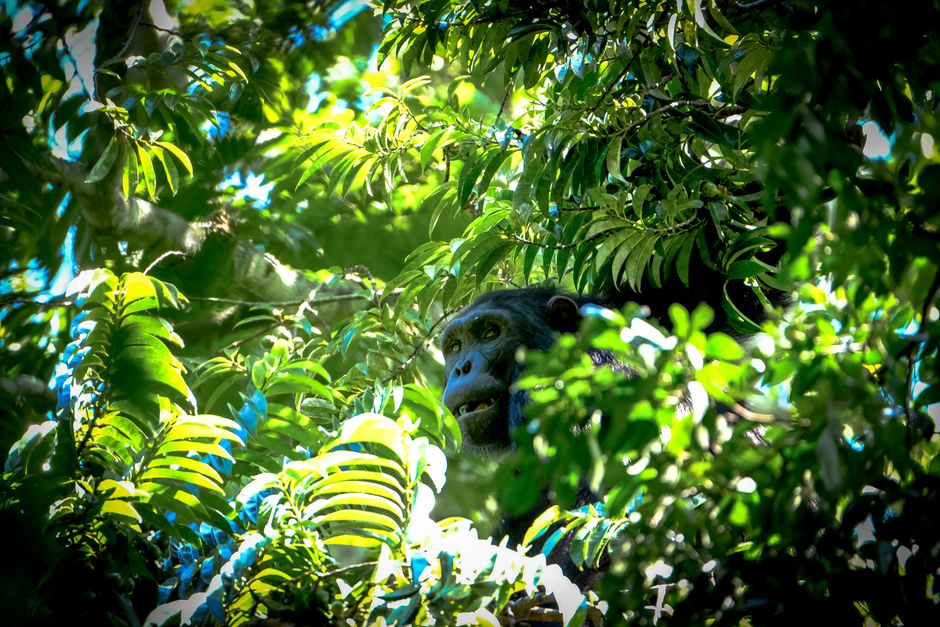
When chimps are located, the ranger team positions your group for viewing. The encounter can be dramatic even at a distance: chimps may travel in short bursts, feed, interact socially, or watch the group from branches.
The key is respectful patience. You’ll have a defined encounter duration, and you may not see every chimp in the group. If chimps change position, the ranger may ask you to move, stop, or adjust your angle to keep viewing safe for both visitors and animals.
Ranger rules and wildlife welfare you must follow

Distance, noise control, and group behaviour
Rangers set rules to protect chimpanzees and people. In forest tracking, chaos spreads quickly: people crowd, talk loudly, or step off safe footing, which can disturb animals and create safety risks.
Follow the ranger instructions first, even when you think you know better. If the group is told to pause, you pause. If you’re told to keep your hands to yourself, keep them that way.
Photography, clothing, and preventing disease transmission
Wildlife tourism comes with responsibilities, and disease prevention is part of wildlife welfare. Chimps are vulnerable to illnesses that humans can carry. That’s why you’ll usually be asked to keep your face and breathing away from the animals, avoid eating during the immediate encounter, and avoid direct contact.
Photography should be done with restraint: avoid flash unless the ranger says it’s acceptable, keep camera behaviour quiet and controlled, and do not push for closer views.
Respect the forest and the people who protect it
The gorge is part of a living landscape managed through conservation partnerships. Ranger rules are not arbitrary; they exist to minimise stress on wildlife, reduce habitat damage, and protect the work of community members and park staff.
Ranger-led tracking also ensures that the experience remains sustainable. When visitors follow rules consistently, the forest continues to function as habitat rather than becoming a place where animals learn to tolerate pressure.
- Stay within the ranger’s group and follow the spacing they set.
- Keep voices low and avoid sudden movements.
- Do not feed or touch chimpanzees.
- Keep cameras steady and avoid blocking paths or crowding branches.
- Respect “no-go” areas and do not wander off the route.
Building an efficient itinerary with nearby bases
Staying near Kyambura and Queen Elizabeth National Park
For a Kyambura Gorge chimp trek, the most efficient base is usually close to the Queen Elizabeth National Park activity area. Staying nearby reduces early-morning travel pressure, lowers the chance of arriving late for briefing, and makes it easier to adjust if trekking timelines shift.
This is also where you can often combine chimp trekking with other park-based wildlife experiences on separate days, rather than forcing everything into one hectic schedule.
Extending toward Fort Portal and Kibale Forest National Park
If you’d like to compare chimp experiences (or if your Kyambura day doesn’t deliver the encounter you hoped for), Fort Portal is a common route base for broader primate destinations. From there, Kibale Forest National Park is a popular follow-on for primates and forest wildlife.
This kind of extension works especially well if you want more time in forest ecosystems instead of shifting between too many habitats in a short window.
Optional add-ons around Kasese and beyond
Uganda itineraries become more efficient when you cluster activities by geography and driving time. From the Kyambura area, many travellers choose short, purposeful add-ons that don’t dilute recovery time after a forest trek.
For example, you can plan an arc that includes other Uganda ecosystems while staying logistically sensible:
- Queen Elizabeth National Park (Kyambura Gorge) for the chimp trek itself
- Kibale Forest National Park for a second forest-focused primate day
- Bwindi Impenetrable National Park for a longer-horizon gorilla extension
- Lake Mburo National Park for a lighter-change-of-pace add-on after forest trekking
By following these planning steps, you’ll set yourself up for a calmer trek day, a more respectful chimp encounter, and an itinerary that fits the realities of forest conditions. The best result is not just “seeing chimps,” but experiencing Kyambura Gorge in a way that protects wildlife welfare, keeps you safe in dense terrain, and honours the rangers who guide the activity.
Leave a Reply