If you're planning a safari trip, you might be wondering how you can make your experience more sustainable. The best place to stay can support conservation, improve wildlife welfare, and make your time in the field more meaningful.
This guide maps the key conservancies in Laikipia to rhino and elephant opportunities, and explains how night-drive access works. It also highlights which areas tend to suit first-time rhino and elephant trackers.
Laikipia is set on high, open plateaus and river systems, so habitats are varied, distances can be short, and game often moves between conservancy zones and water sources. That mix is ideal for travellers who want both daytime sightings and the chance of night predators and nocturnal animals during scheduled night drives.
Where to Stay in Laikipia: Conservancy Hotspots With Night-Drive Access
Start with the Nanyuki corridor
Nanyuki is the most common launch point for Laikipia safaris, and staying in conservancies within reach keeps travel straightforward. Many lodges and camps here focus on guided activities, which matters for night game viewing because night drives depend on ranger-led routes, wildlife monitoring, and permissioned access.
Choose conservancies that build in day and night programming
Not every property offers the same schedule. In Laikipia, night game viewing is usually tied to conservancies that run timed, guided drives within their boundaries rather than open-route driving. When you’re comparing places to stay, look for clear confirmation that scheduled night game drives are available during your dates.
Focus on five consistently strong areas
For rhinos, elephants, and dependable night-drive access, travellers usually gravitate to five conservancies: Lewa Wildlife Conservancy, Ol Pejeta Conservancy, Borana Conservancy, Ol Jogi Conservancy, and Kalama Conservancy. Each has its own rhythm, but all can deliver the mix of daytime sightings and after-dark searching.
Rhino-First Stays: Best Bases for Black Rhino and White Rhino Tracking

Why conservancy rhino programmes matter
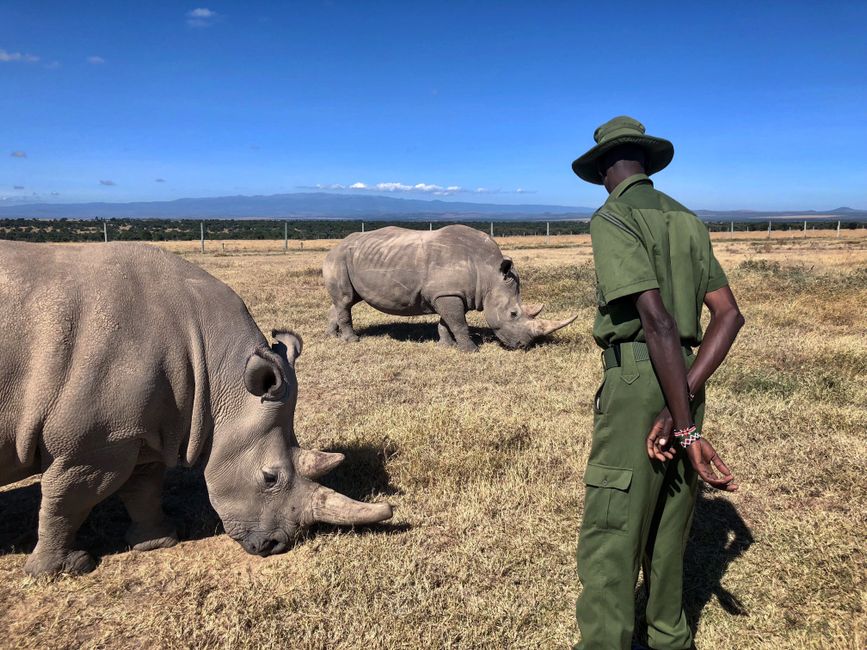
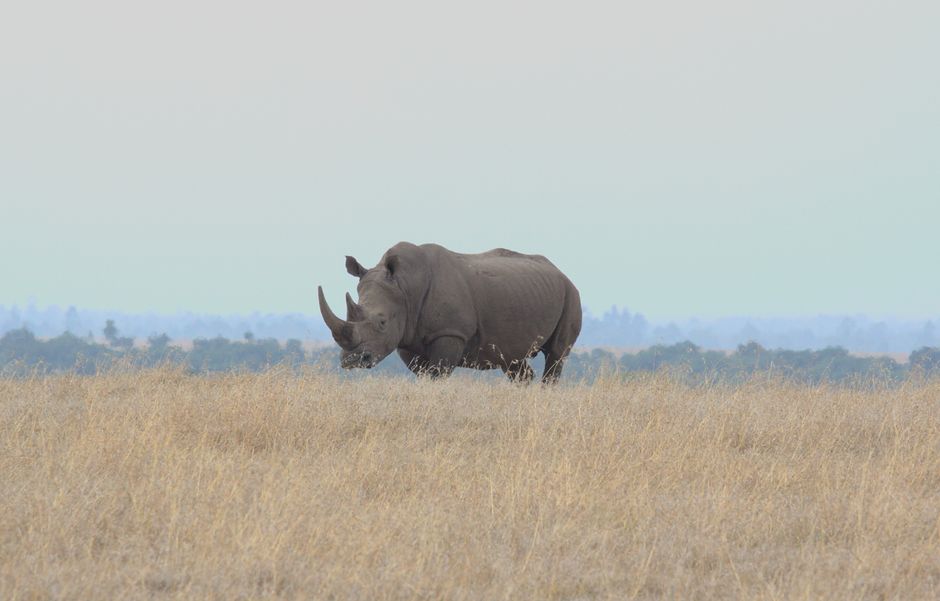
For many first-time visitors, guided rhino tracking is the highlight, and it works best where rhino monitoring is well-established. The advantage of staying inside (or immediately adjacent to) the main rhino zones is that trackers start with more context: where rhinos have moved, which areas are currently quiet, and what conditions mean for safe, respectful viewing.
Lewa: a classic base for disciplined rhino searching
Lewa Wildlife Conservancy is widely known for its long-term conservation and careful guiding standards. If rhino tracking is your top priority, staying here often feels structured: day sessions are planned around ranger knowledge, and off-hours activities can be arranged around what the conservancy monitors rather than guessed-at sightings.
Ol Pejeta and the practical pathway to first-time tracking
Ol Pejeta Conservancy is a strong choice when you want a straightforward, confidence-building introduction to rhino experiences. Expect a clear focus on responsible wildlife protocols, with guides prioritising safety and calm viewing. If your group includes first-time trackers who want to understand behaviour and boundaries quickly, this conservancy’s approach can be especially helpful.
Elephant-Focused Lodges: Where You’re Most Likely to See African Elephants
Look for water and corridor access
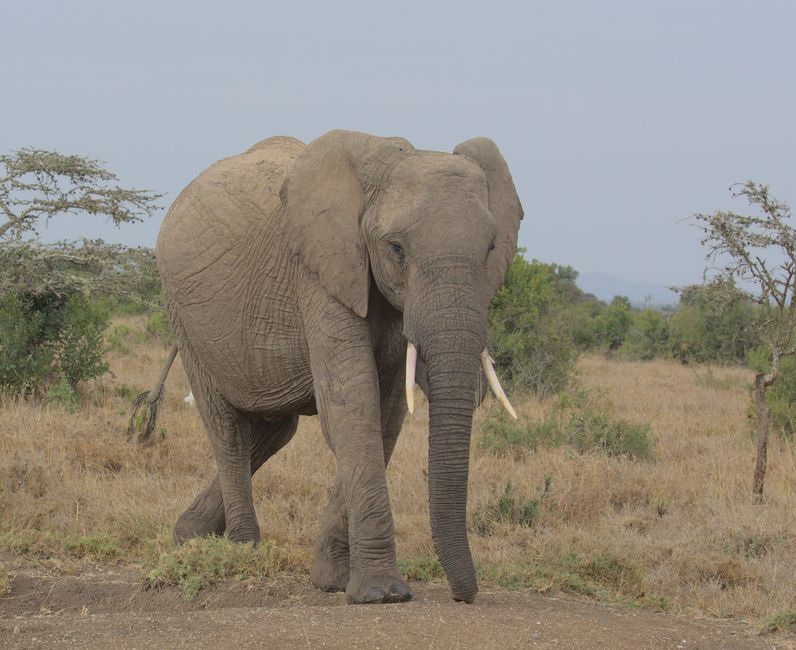
Elephants in Laikipia follow patterns shaped by water points, grazing, and movement corridors. That’s why where you sleep matters: the closer your lodge is to conservancy zones with frequent elephant presence, the more likely you are to make efficient use of morning and late-afternoon viewing windows.
Borana: strong chances for steady elephant viewing
Borana Conservancy is often chosen for a comfortable, interpretive style of elephant days, including the kinds of guided elephant viewing sessions that fit both early starters and relaxed schedules. For first-timers, it can be easier when elephant sightings are steady enough that the day doesn’t feel like a constant chase.
Ol Jogi and Kalama: good matches for travellers who want variety
If your ideal itinerary blends open-plateau landscapes with different habitat types across the day, Ol Jogi Conservancy and Kalama Conservancy are worth prioritising. Elephant encounters here tend to be best when you stay flexible: shifting between viewing areas as guides respond to movement rather than locking the day into one fixed expectation.
Night Game Viewing in Laikipia: How Night Drives Usually Work
Confirm the night-drive format before choosing
Night game viewing is typically run as a scheduled activity within conservancy boundaries. A lodge that can support night game drives usually has documented routes, ranger communication, and vehicle protocols designed to reduce stress on wildlife. Before booking where to stay, ask whether the night drive is a true guided search (not just an optional drive) and whether there’s a minimum age or fitness expectation.
What makes leopard and nocturnal sightings more likely
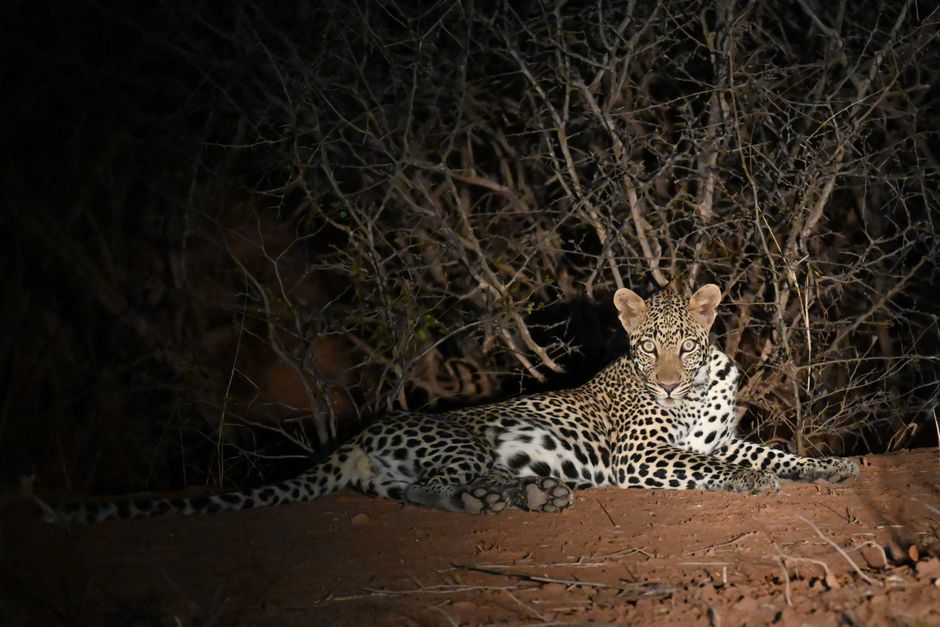
After dark, the most memorable moments often involve predators and nocturnal animals. While no one can guarantee a sighting, guides usually improve your odds by matching the drive timing to visibility conditions and animal movement patterns. If leopard is on your wish list, ask how often the conservancy reports leopard activity and whether drives are adjusted when tracks or recent sightings suggest it’s worth staying longer in a promising area.
Wildlife welfare rules you’ll notice on well-run drives
Good night-drive guiding feels quiet and controlled. You should expect guides to prioritise vehicle spacing, keep noise low, and avoid shining harsh light toward animals in a way that causes panic. If a drive ever feels rushed, chaotic, or dangerously close, that’s a red flag for welfare and safety.
Making the Right Choice: Matching Your Stay to Your Rhino Tracker and Elephant Goals
Use a simple shortlist: conservancy priority, then lodge style
Start by deciding which experience is non-negotiable. If rhino tracking is the main goal, prioritise stays that put you closest to the black rhino and white rhino areas where tracking sessions are planned. If elephants are the main goal, pick a conservancy where African elephants are a frequent feature of morning and evening viewing.
A quick comparison checklist when booking where to stay
When you’re comparing options, use questions that reveal how the conservancy operates, not just what the camp looks like:
- Is night game viewing scheduled, and does it run consistently during your travel dates?
- How close is the lodge to the main viewing zones for the conservancy?
- Are rhino and elephant activities ranger-led, with clear safety and welfare guidance?
Consider practical comfort for early mornings and late returns
Rhino tracking and elephant viewing tend to reward good energy management. Choose accommodation that makes it easy to be ready on time: simple lighting paths at night, reliable hot water, and quiet rooms for restful sleep. For travellers hoping to do both rhino days and night drives, also pay attention to how the property handles meals and packing logistics, because a smooth routine reduces stress for people and helps maintain calm behaviour around wildlife.
If you’re using Booking.com to compare lodge locations and guest reviews, focus on the conservation context and activity access rather than only the room details.
Overall, the best place to stay in Laikipia is the one that aligns your daily viewing zones with how the conservancy guides rhino tracking, elephant viewing, and night game drives. By matching your base to your priorities, asking the right questions about night-drive access, and choosing operators that emphasise safety and wildlife welfare, you give yourself the strongest odds of memorable rhino, elephant, and after-dark wildlife moments.
Leave a Reply