
If you're a birding enthusiast, then you know that Africa is a paradise for birdwatching. This guide shows you where and when to look for shoebills on the Lake Albert wetlands, how to choose between boat and shore-viewing, and what to pack to handle swampy cover and capture steady, readable images.
Birding here works best when you treat it like wetland strategy rather than a simple “go looking and hope” trip. Water level changes the visibility of reed beds and floating cover, and the right viewing method (quiet shore edge vs. slow boat approach) can make the difference between brief glimpses and sustained observation.
Lake Albert Wetlands: Where Shoebills and Rare Wetlands Birds Are Most Reliable

Why the Nile Delta edge is a key viewing area
For this specific “Lake Albert” birding focus, many birders spend time along Murchison Falls National Park’s Nile Delta and the adjoining Lake Albert wetland edges. This is where the river’s movement meets broader lake systems, producing the mix of channels, backwaters, and marginal swamps that wetland birds use for feeding and resting.
Target species to concentrate on first
If your goal is shoebills and other rare wetland birds, anchor the trip around these core targets:
- Murchison Falls National Park’s Nile Delta and Lake Albert wetland edges
- Shoebill
- Goliath Heron
- African Skimmer
- Nile Delta boat viewing sessions (for slow, close approach to channels)
When to Bird Lake Albert: Seasonal Windows for Better Sightings
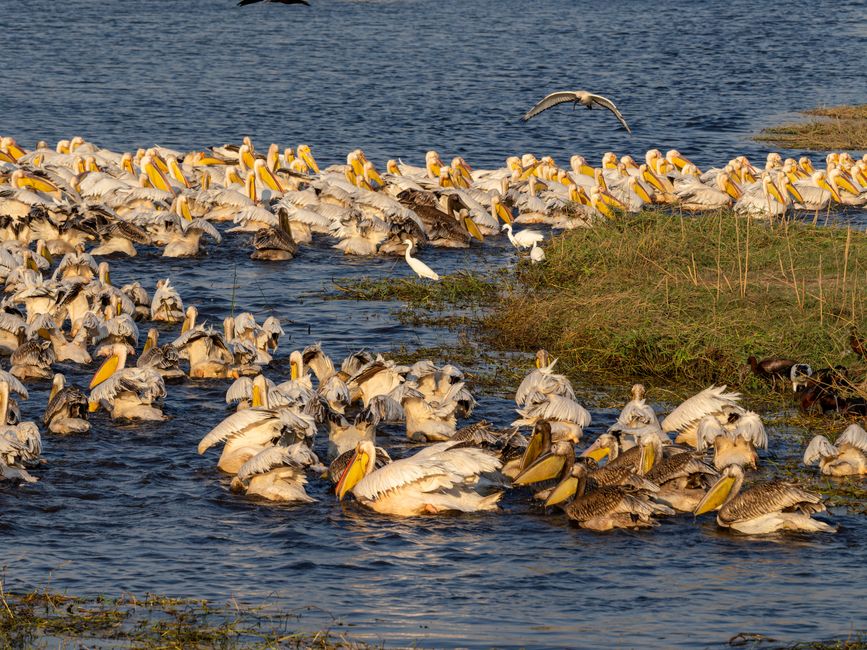
Rainy season strategy: use cover-rich areas, not open glare
During and after heavier rains, birds may shift deeper into the swamp where cover thickens. The good news is that the same hiding places that protect birds also create the conditions shoebills prefer. The trick is patience and timing: early mornings and late afternoons reduce harsh glare off open water and often make it easier to spot motion from cover.
Plan around light and bird movement, not just weather
Instead of chasing “best weather,” chase “best visibility.” If you can, schedule longer sessions during sunrise and golden hour, then use mid-day for shorter repositioning and quieter scanning from stable shore edges. Bird movement is often strongest when temperatures cool and activity increases near feeding pockets.
Boat vs Shore Viewing: Choosing the Right Way to Watch

The main trade-off is comfort and stability. Swamp edges can be uneven, and conditions can change quickly. A steady posture and a deliberate scanning routine matter as much as the optics.
Shore-viewing for long looks and lower disturbance
Shore viewing works best when you find a spot where you can observe the interface between open water and thick cover. From land, you can often get longer, calmer sessions with fewer vibrations and less disturbance than repeated repositioning. It also helps for photography when you can brace against wind and hold a consistent lens angle.
How to position for calm, close observations
Whichever method you choose, position matters:
- Aim for a quiet, downwind location so your scent and movement don’t drift into feeding areas.
- Keep your scanning rhythm slow: sweep across likely channels first, then focus on any stillness that breaks the pattern.
- When birds show alert posture (neck stretching, head tracking, sudden reorientation), reduce movement and let them settle again before trying to “gain” distance.
Practical Kit for Swampy Cover and Better Bird Photos

Bring equipment you can use comfortably for long periods, then adapt your technique to the environment rather than expecting “perfect” framing every time.
Photography approach for reeds, heat haze, and fast head motion
For shoebills and other wetland birds, the biggest challenge is not only distance. It’s also the background: tall vegetation creates busy, distracting shapes behind the subject. Use these tactics:
- Pre-focus on the likely activity zone (a channel edge or a consistent opening in reeds) and be ready to re-focus quickly when the bird moves.
- Use faster shutter speeds than you think you need. Shoebills may look slow, but head turns and feeding jabs can blur easily.
- Clean your front lens before each session. Swamp air and splash can leave tiny marks that soften detail.
Comfort and waterproofing: staying in the field longer
Wetland birding can mean standing around, moving carefully between boardwalks/paths, or waiting in areas that stay damp. That’s where comfort becomes safety and makes you a better observer.
Pack smart for swampy conditions:
- Waterproof jacket or poncho, plus a dry layer in your day bag
- Insect protection (comfortable, non-greasy) and a hat for glare and sun
- Wading socks/footwear grip suitable for muddy edges
- Lens cloth and a small blower/brush for dust and moisture
- A monopod or beanbag (whichever suits your viewing style) to steady long lenses
Ethics, Safety, and Conservation on Lake Albert Wetlands
Keep distance and minimize disturbance in hiding cover
Wetlands are living spaces for birds that depend on cover to feed and rest. Avoid pushing into dense reed stands or trying to “corner” birds for photos. Instead, give them time to resume normal behaviour after any movement. If a bird becomes agitated, withdraw a little and wait.
Work with local guides and respect fishing communities
Lake Albert is connected to livelihoods. Guides who understand local routes can help you choose viewing areas that reduce conflict with fishing access and sensitive swamp sections. Respect quiet hours near camps, avoid blocking paths, and follow guidance on where boats can safely travel.
Plan your base and logistics with bird time in mind
Most successful birding schedules build the day around observation windows, not just travel time between viewpoints. Choosing a base near the main access points around the park and lake edges makes early starts easier. For accommodation comparisons around the Hoima/Albert access region, Booking.com can help you review options and locations without locking your schedule too early.
Overall, the best Lake Albert shoebill safaris combine seasonally reliable wetland habitat, a viewing method that matches bird behaviour (boats for channel approach, shore for long stable watching), and practical gear that performs in swampy cover. With calm positioning and smart photography habits, you’ll spend more time seeing and identifying, and less time fighting reflections, reeds, and unstable setups.
Leave a Reply