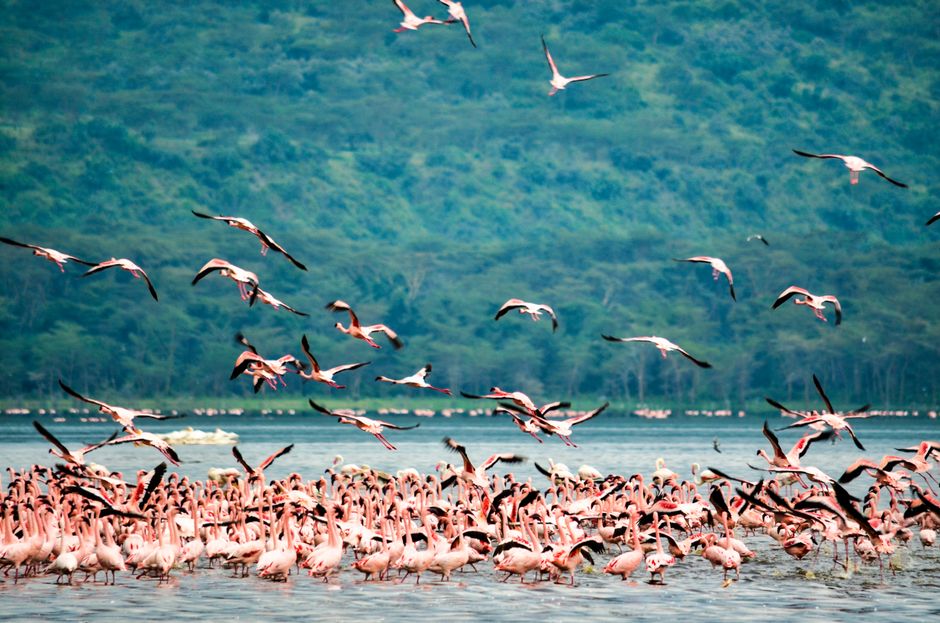
If you’re planning a Lake Nakuru and Lake Bogoria safari, you know the Rift Valley has the rare mix of black rhinos and massive flamingo flocks.
This guide walks you through timing, route options (including Nairobi connections), park-road practicalities, and the best viewing windows for rhino security and flamingo abundance. The focus stays on a smooth trip for you, while keeping wildlife stress low and respect high.
At a glance, your safari targets are:
- Lake Nakuru National Park
- Lake Bogoria National Reserve
- Black rhino
- Greater flamingo
Rhinos Versus Flamingos: Where To See Them On This Route

Lake Nakuru National Park for black rhino
Lake Nakuru National Park is the place to plan your rhino time. Black rhino sightings here are usually managed through dedicated viewing areas and set routines designed to protect the animals while still giving visitors reliable sighting opportunities. That means your schedule matters: your guide’s timing and your willingness to wait calmly make a bigger difference than “where you stand” in the moment.
Lake Bogoria National Reserve for greater flamingos
Lake Bogoria is best treated as a flamingo-first experience. The lake’s conditions support large colonies of greater flamingos, and the shoreline offers multiple perspectives depending on water level and wind direction. Rhino viewing can’t be assumed in the same way as it is at Nakuru, so treat Bogoria as your flamingo “main event” and plan your rhino-focused time primarily around Nakuru.
A realistic itinerary flow for one trip
To keep driving stress low and maximise viewing windows, most visitors benefit from sequencing the days so that you arrive early enough for peak wildlife activity and enough time on the ground to repeat a viewing spot if weather shifts. A common pattern is to spend more time at Nakuru for rhino sessions, then move to Bogoria for extended flamingo watching and calmer, longer shoreline time.
Timing The Trip: Best Seasons And Daily Windows

Rhino security: quieter hours and controlled behaviour
For black rhino, “security” is the priority. That usually translates into timing that reduces disturbance: early morning and late afternoon are typically more productive for sightings across many reserves because wildlife is active and temperatures are cooler. Just as important, rhinos can be sensitive to noise and crowding. If a rhino is present, your guide will often direct the group to a safe viewing approach and discourage lingering if it changes the animal’s behaviour.
A good planning mindset is to treat rhino viewing as a session rather than a single moment. Even on days when you’re sure to see the rhinos, patience and calm movement help keep the animals undisturbed.
Flamingo abundance: wind, water level and algae
Greater flamingo numbers fluctuate with changing lake conditions. Flamingos thrive when the food supply is available in the shallows, which is tied to water level and the lake’s productivity. Because these variables shift from year to year, the “best season” isn’t a fixed guarantee.
Instead, look for conditions that suggest stable feeding areas. In general, many visitors plan around the drier months when travel is easier and lake conditions can be more consistent, but you can still see major flocks after rains when the lake supports the productivity flamingos feed on. Wind direction also matters: strong winds can push birds around the water surface and affect how concentrated the flock appears from any one viewpoint.
The practical takeaway for your calendar
Plan your trip so you’re not relying on only one short window at each lake. If you visit Lake Bogoria on a day with strong wind, you may get a different view than you expected, but another viewing slot later may show a denser flock. For black rhino at Lake Nakuru, give your schedule flexibility around the time your guide suggests for the rhino viewing area, because day-of conditions affect what’s safe and effective.
Route Options From Nairobi: Driving, Sequencing, And Transfers

Option 1: Road from Nairobi to Lake Nakuru (most direct)
Driving from Nairobi to Lake Nakuru is typically the simplest way to start this safari. It gives you the advantage of arriving with daylight, which helps with both spotting and logistics at the park entrance. Travel by road also makes it easier to adjust departure times if weather or road conditions change.
For a comfortable day, leave Nairobi early enough that you’re not arriving late. Late arrivals can limit your first wildlife session to a short period, which is one reason planning the rhino day first (and not cramming) works well.
Option 2: Continue by road to Lake Bogoria (best done with a realistic pace)
From Lake Nakuru, you can continue by road toward Lake Bogoria as part of one connected itinerary. This is where pacing matters: the route can feel longer than it looks on a map, and some stretches may be slower after rains due to surface conditions.
A practical approach is to build in an overnight stop between Nairobi and Bogoria only if it reduces stress and improves your viewing time. If your schedule allows, arriving before midday at Bogoria helps you start shoreline viewing earlier, when the light is softer and birds can be easier to track.
Option 3: One-night waypoint planning and Nairobi accommodations
If you prefer to avoid long single-day drives, add an overnight waypoint near the Nakuru area before moving on. Many travellers map overnight bases using Booking.com, especially when dates shift and road conditions affect where you can comfortably sleep.
Park-Road Practicalities: Vehicles, Tracks, And Timing On The Ground
Vehicle choice and road conditions
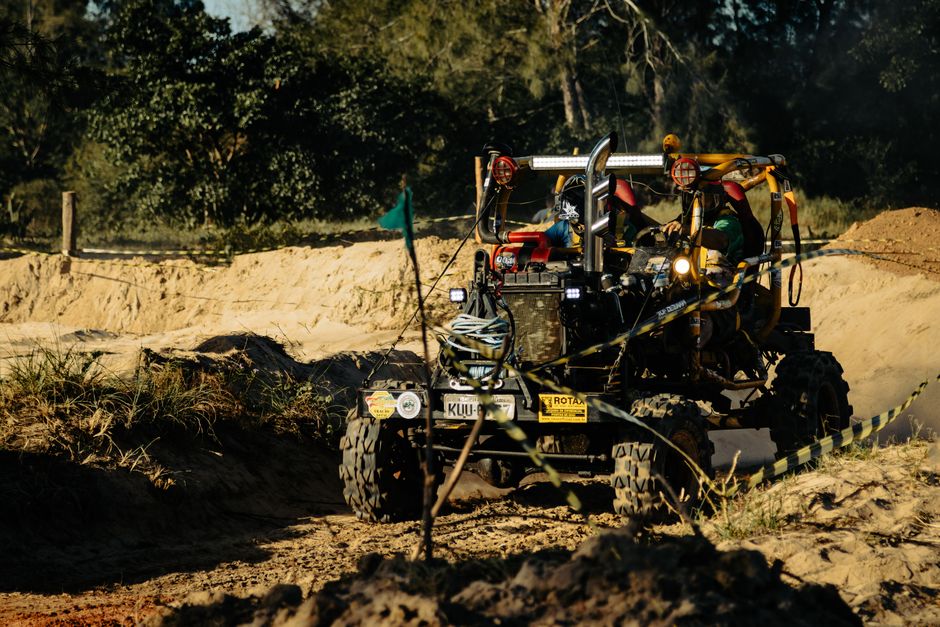
Road conditions in the Rift Valley can change with rainfall. On clearer days, a standard safari vehicle may be sufficient for main access roads and well-travelled routes. After heavier rain, some park-side roads and approaches can become slow and muddy, which can reduce traction and increase time.
If your dates fall in a rainy window, leaning toward a 4x4 can make the trip easier and reduce the risk of delays. If the schedule is fixed, ask your driver or operator to plan around current road conditions and to avoid unnecessary off-route driving.
Staying on tracks and why it matters
Park roads aren’t just for speed; they protect habitat and keep both animals and visitors safe. In both Lake Nakuru National Park and Lake Bogoria National Reserve, follow your guide’s instructions on where vehicles are allowed to stop and where walking is permitted. Off-road driving can damage ground cover and can also disturb wildlife by altering scent trails and movement corridors.
For rhino viewing, this discipline is even more important: staying within designated viewing rules helps prevent animals from feeling cornered.
Managing the day to protect viewing quality
Park timing affects what you see. Arriving early supports better light for spotting and helps your group settle calmly before the busiest periods. If you spend too long relocating every time the wind shifts, you can lose the “session” effect that matters most for black rhino.
At both lakes, ask your guide for a plan that balances: one primary viewing window, one backup window, and enough time to move slowly on-site when conditions shift.
Responsible Viewing For Maximum Reward
Black rhino viewing etiquette in Lake Nakuru
To support rhino security, keep interactions quiet and consistent. That usually means: remain in the vehicle where required, avoid sudden movements, and follow your guide’s distance instructions even if the view looks good from closer. If the rhino changes position, pauses feeding, or shows signs of stress, that’s a cue to adjust as your guide directs.
Also, avoid treating rhino viewing as a “competition” for the best angle. Wildlife welfare is better served when groups don’t crowd a spot and when vehicles keep to agreed stop points.
Flamingo watching etiquette at both lakes
For greater flamingos, the key is to protect feeding and resting behaviours. Move slowly along designated viewing areas and avoid getting between birds and the water. If you want photos, use steady positioning rather than approaching too close or repeatedly stepping into the same sensitive shoreline areas.
Wind can change where birds cluster, so it’s often better to wait for the flock to settle than to constantly reposition. If birds rise in response to disturbance, give them time to calm before resuming quieter viewing.
Safety, respect, and community responsibility
Good safari practice is also about safety and respect. Watch for dry, uneven ground near shores, and be mindful of weather changes that affect paths and visibility. Keep noise low, pack away litter, and respect any guidance around wildlife viewing distances.
You’re also visiting living landscapes where local communities live alongside protected areas. Supporting tourism that follows wildlife rules, respects access guidance, and avoids disruptive behaviour helps ensure these destinations remain viable for both wildlife and the people who rely on them.
Overall, plan your Lake Nakuru and Lake Bogoria safari by treating black rhino time as a secure, guided session and by letting seasonal lake conditions drive your expectations for greater flamingo abundance. With smart sequencing from Nairobi, disciplined park-road behaviour, and calm viewing routines, you’ll give wildlife the space it needs while making the most of every viewing window you have.
Leave a Reply