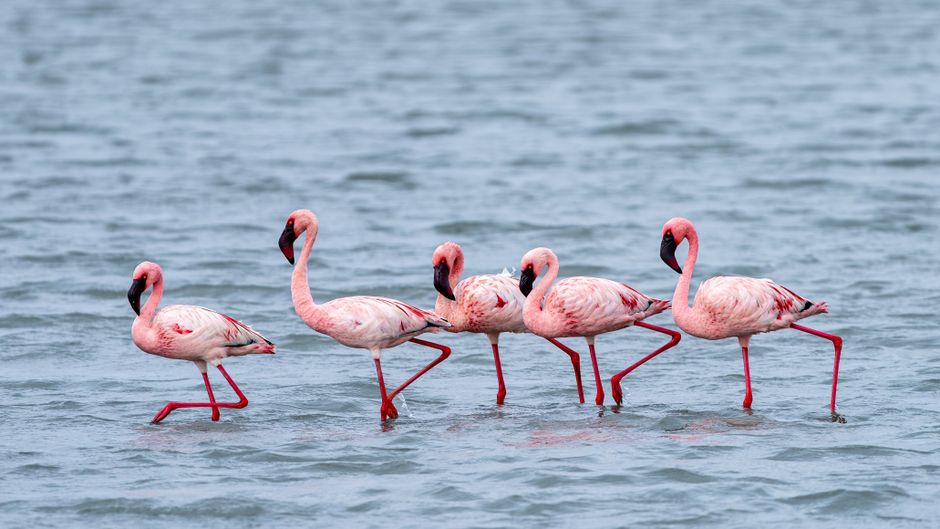
If you're a birding enthusiast, then you know that Africa is a paradise for birdwatching.
Lake Natron is one of the most distinctive places on the continent to do it, thanks to the lesser flamingo gatherings that form when the alkaline conditions suit their feeding and breeding. This guide helps you plan a safari around the lake’s soda flats, understand seasonal timing, and build a day-to-night itinerary that keeps viewing safe for you and comfortable for wildlife.
You’ll also learn how to look for other animals beyond flamingos, how to choose viewing points without trampling fragile crust, and how to work with guides and rangers so your trip supports conservation and local livelihoods.
Understanding Lake Natron and Why Lesser Flamingos Gather

Alkaline/soda flats: what makes the lake different
Lake Natron’s shoreline and flats are dominated by alkaline, mineral-rich water and exposed crust. That harsh environment is not a barrier to life here; it shapes which plants and microorganisms can survive, and that in turn affects food availability for the flamingos. The result is that flamingos concentrate where conditions are right, often making the lake feel like a moving, living shoreline at the right time of year.
Because the flats can be slippery, crusty in appearance, and visually similar across areas, your safest approach is to stick to ranger- and guide-approved access routes. The aim is not just to avoid trouble for you, but to prevent accidental damage to nesting areas, feeding grounds, and sensitive shoreline ecology.
Why seasonal timing matters for flamingo numbers
The number of lesser flamingos you see can vary because the lake’s chemistry and water levels shift with the seasons. In general, flamingo activity tends to be strongest when the lake’s conditions favour their feeding and breeding rather than the wider, more diluted conditions that can come with major wet periods. The best plan is to ask your safari operator about the current lake conditions for your travel window.
When timing is right, birds often appear in dense groups and you may see more rhythmic “feeding” behaviour along the shoreline or shallow edges. When timing is off, the lake can look less populated or groups may be spread out, so your schedule should build in flexibility rather than betting everything on one viewing session.
More wildlife than flamingos: what to look for on the edges
Even if your main target is lesser flamingos, Lake Natron’s surroundings can reward patient scanning. Watch the shoreline and the airspace for waders and other waterbirds that use the shallow margins. In the wider landscape away from the water’s edge, keep an eye out for savanna mammals that come to drink and browse.
Common sightings in the broader Natron region can include giraffe, plains zebra, common ostrich, and olive baboon. In water-edge habitat, you may also notice smaller shorebirds such as black-winged stilt, particularly when you spend time at viewing points early or late in the day when movement is easier to spot.
Where to Go and When to Plan Your Visit

Use Lake Natron National Park as your base focus
For planning clarity and predictable access, centre your itinerary on Lake Natron National Park. This helps keep your viewing route organised around areas where guides and rangers can manage access, protect birds, and reduce pressure on fragile shoreline zones.
A well-run safari typically assigns dedicated viewing windows rather than rushing you between distant points. That’s important at Natron, where you’ll want time to observe feeding groups, watch for changes in behaviour as the light shifts, and avoid repeatedly crossing the same ground.
Season-by-season: planning around the dry and wetter periods
Rather than locking yourself into one “perfect” month without local context, plan around the big seasonal pattern: dry periods tend to concentrate conditions in ways that can favour flamingo gatherings, while major wet periods can change water extent and how accessible or concentrated feeding areas are.
Practical approach: build your trip so you have at least two viewing opportunities (even if they’re short) during your stay. If conditions on day one are less ideal, day two gives you another chance without needing to scramble for last-minute changes.
Day-to-night balance: build time for sunrise and late afternoon
Flamingos are most rewarding when you’re there during stable light and when birds are actively feeding or moving. Sunrise and late afternoon often make birds easier to track against the shoreline. If your itinerary includes one all-day stretch without breaks, your viewing quality may drop because heat, glare and fatigue can make scanning harder.
Aim for a plan that includes: one early viewing session, one mid-to-late session, and a calmer mid-day period that accounts for weather and rest. Your operator can advise what’s feasible based on current park guidance and local road or access conditions.
Safe Viewing on the Alkaline Flats: Distances and Behaviour

Choose ranger-led access and keep to stable ground
At Lake Natron, the ground around the waterline can be deceptively dangerous. Crust may look firm but can be brittle; some areas may be slick; and stepping off safe routes can damage shoreline habitat. The simplest rule is to follow your guide and rangers exactly, including where you stop, how you walk, and when you return.
Because flamingos and other birds rely on calm conditions, avoid cutting across groups. Instead, approach observation points slowly, let birds settle if they adjust, and keep your movement predictable.
Viewing distances: how to stay comfortably far from birds
There isn’t a single universal distance that fits every situation, because shoreline topography and bird behaviour can vary. Use a “comfort-line” approach:
- Start far enough back that birds do not change posture, leave the feeding zone, or cluster more tightly in response to your presence.
- When you’re unsure, stop advancing and wait for behaviour to stabilise before continuing observation.
- Give nesting and feeding areas extra space, especially when birds are concentrated and clearly busy.
In practice, this usually means aiming for substantial separation from the shoreline groups and keeping your time near the water short if birds appear alert. Your guide can also tell you where the best vantage points are for the current conditions, so you’re not relying on guesswork.
Optics and photography that respect wildlife
You can get impressive views without pushing closer. Binoculars help you track behaviour and fine details, while a spotting scope (if available) can bring shoreline groups into clarity from a safer position. For photography, use longer focal lengths and avoid zooming with a “move-in” mindset.
Also manage your body language: stay still once you’ve set your stance, avoid sudden gestures, and keep noise low. On alkaline terrain, it’s tempting to hurry for shots, but rushing can increase both disturbance and your risk of slipping or stepping where you shouldn’t.
What Other Wildlife You May See Nearby

Savannah mammals on the plains and in acacia edges
Between flamingo sessions, the Natron landscape can offer rewarding wildlife drives in surrounding habitat. Look slowly and consistently—mammals often appear briefly and then move off, especially when temperatures climb.
The region’s savanna ecology can support sightings such as giraffe, plains zebra, and common ostrich. If you’re watching for baboons, keep a respectful distance and avoid targeting groups around roads; they can react strongly to crowding and vehicle noise.
Birds beyond the waterline
Birding at Natron becomes more complete when you scan both water edges and the wider airspace. If the conditions are favourable, shoreline species such as black-winged stilt can be active around shallow margins. In the broader area, raptors may circle overhead, and smaller birds may use shrubs and acacia edges.
A useful technique is to split your attention: one sweep for movement at ground level and one for silhouettes in the sky. That helps you catch different species activity patterns without moving too frequently or repeatedly.
How to structure short wildlife drives around your main target
To keep your day fluid, design it around short “windows” rather than long, wandering stretches. For example, after an early flamingo session, move to a nearby drive route for mammals and additional birds, then return for a late session when light and behaviour are often more rewarding.
This structure also supports animal welfare: you’re not constantly turning around, engine noise isn’t sustained for hours, and your guide can choose routes that reduce pressure on both birds and mammals.
Day-to-Night Camp Planning for a Smooth, Respectful Safari
Camp location and the importance of managing light
Even when you’re not directly at the lake at night, your camp choice affects the experience. Bright lights can affect wildlife behaviour, and they can also disrupt your own rest, which influences how carefully you scan and follow guidance in the morning.
Work with your operator to choose a plan that balances comfort with responsible wildlife interaction. A good camp setup also helps your safety: it reduces the temptation to roam around unfamiliar ground at dawn or after dark.
Timing your schedule from daybreak to stargazing
A typical high-quality plan keeps mornings for the best observation windows and afternoons for recovery and shorter wildlife sessions. As you move toward late afternoon, your focus can shift back toward the lake edge for birds that are still active or changing positions as temperatures fall.
By arranging your day this way, you reduce stress, improve your ability to detect subtle behaviour shifts, and avoid the rushed footwork that increases disturbance. It also makes it easier to comply with park guidance about when and where you can be on foot.
Safety and respect checklist for Lake Natron-style viewing
Soda flats and alkaline conditions demand extra care, even when the terrain looks open and accessible. Before you set off, align with your guide on the rules below:
- Wear sturdy footwear with good grip, and keep your route on approved ground.
- Stay up to date with ranger instructions on access, especially if conditions have changed.
- Keep noise and movement low near birds, and avoid stepping into feeding or nesting areas.
- If weather shifts quickly, prioritise returning to safe access routes rather than chasing last-second sightings.
Overall, planning a Lake Natron safari for lesser flamingos comes down to three things: timing your visit with local conditions in mind, keeping a calm and respectful distance from the alkaline flats, and building a day-to-night schedule that gives both flamingos and other wildlife room to continue their natural behaviours. With ranger-led access, sensible optics, and thoughtful pacing, you’ll maximise sightings while protecting the very habitat that makes Lake Natron special.
Leave a Reply