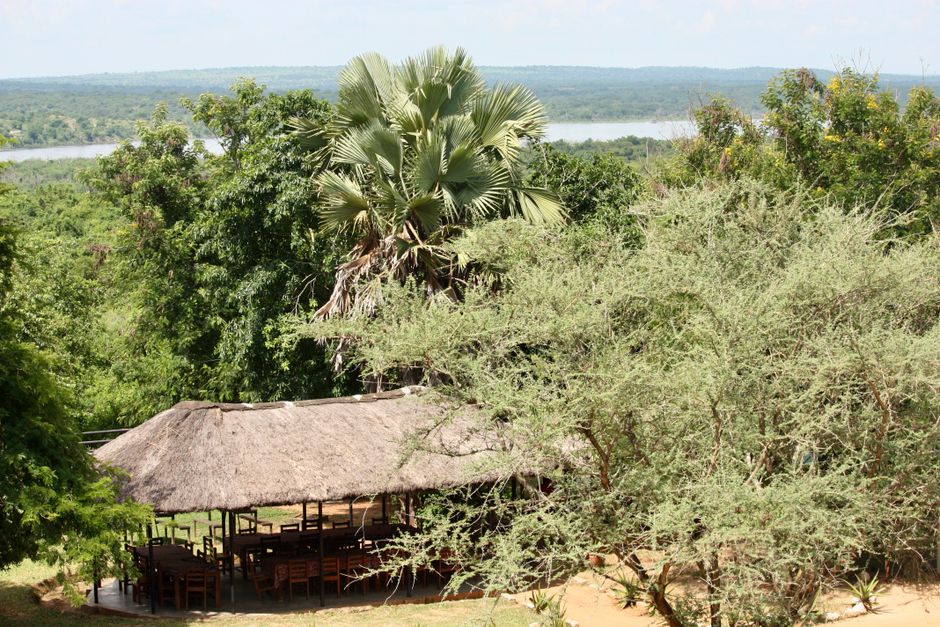
If you're planning a safari trip, you might be wondering how you can make your experience more sustainable.
This guide focuses on two low-impact safari lodge options near Akagera National Park in Rwanda that suit travellers who want straightforward, ranger-led game drives, plus the flexibility to add sunrise and evening sightings.
You’ll also find practical ways to judge a lodge’s waste, water, and daily driving routines before you book, so your comfort doesn’t come at the expense of the park and its wildlife.
Why “Low-Impact” Matters in Akagera
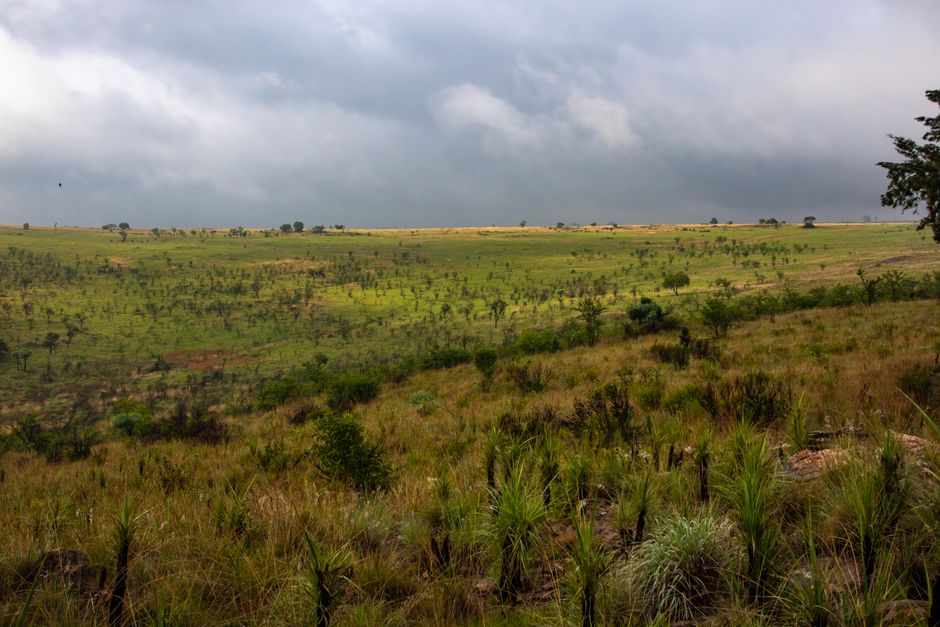
A landscape where water and waste decisions show up fast
Akagera’s mix of savanna, wetlands, and seasonal plains means the ecosystem can be sensitive to how water is stored, used, and treated. The same goes for waste: fewer guests, tight logistics, and good on-site processes help keep impacts low, especially during busier periods when vehicle movement and water demand rise.
What “ranger-led” really means for your sightings
In protected areas like Akagera, the quality of your drive is closely linked to who’s guiding: ranger-led routes often reflect the day’s real conditions, animal movement, and where the safest viewing pressure can be placed. The best lodge partners with the park in a way that doesn’t mean rushed schedules; instead, it supports sensible game-drive pacing and respectful distance.
Easy drive timing starts with lodge location
For sunrise and evening drives, the key advantage is simple: shorter transfers. When your lodge is inside (or effectively at the park’s operational access points), you’re typically back on the road quickly after briefing, and you waste less time sitting in traffic before the wildlife experience even begins.
Where to Stay for Dawn and Dusk Game Drives
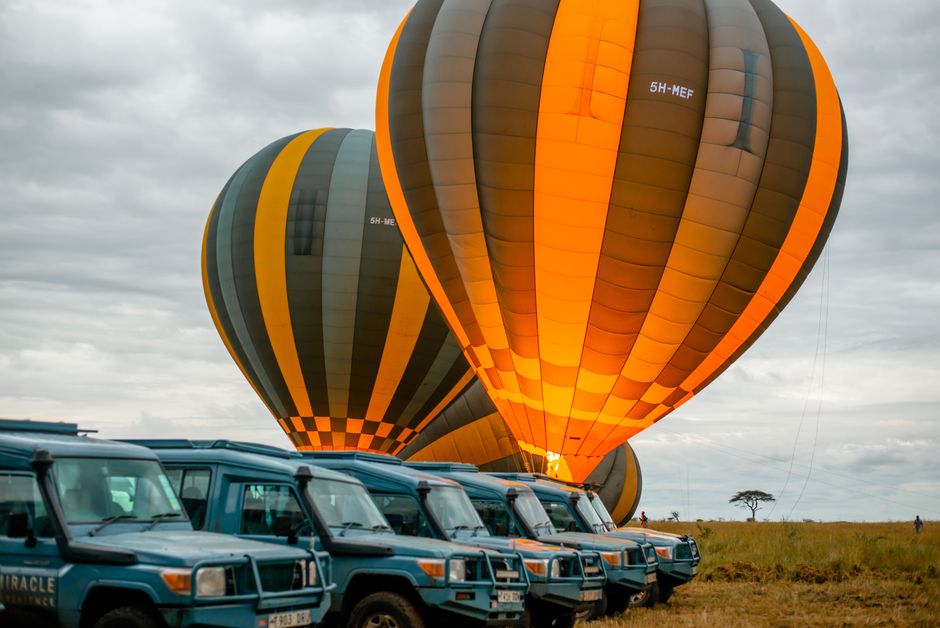
Plan around the park’s viewing rhythms
Many travellers get the most out of Akagera by building a rhythm around light. Sunrise drives tend to bring activity spikes for grazers and predators, while late afternoon and evening often deliver calmer sightings and more opportunities for observing behaviour rather than just presence.
Choose lodges that reduce transfer time
Low-impact safari travel is not only about what happens on-site; it’s also about how efficiently you move between activities. Lodges that keep you close to the areas used for morning and evening game drives can lower unnecessary vehicle hours, which helps both conservation outcomes and your overall comfort.
Expect a vehicle-and-briefing workflow
The most consistent experience usually comes from lodges that run drives through the park’s standard briefing workflow. You’ll typically get a safety and route overview, then depart with your ranger team. This setup matters for animal welfare too: it helps reduce chaotic “searching” and supports steady, controlled viewing.
Akagera Game Lodge: Compact, In-Park Access With Strong Drive Convenience
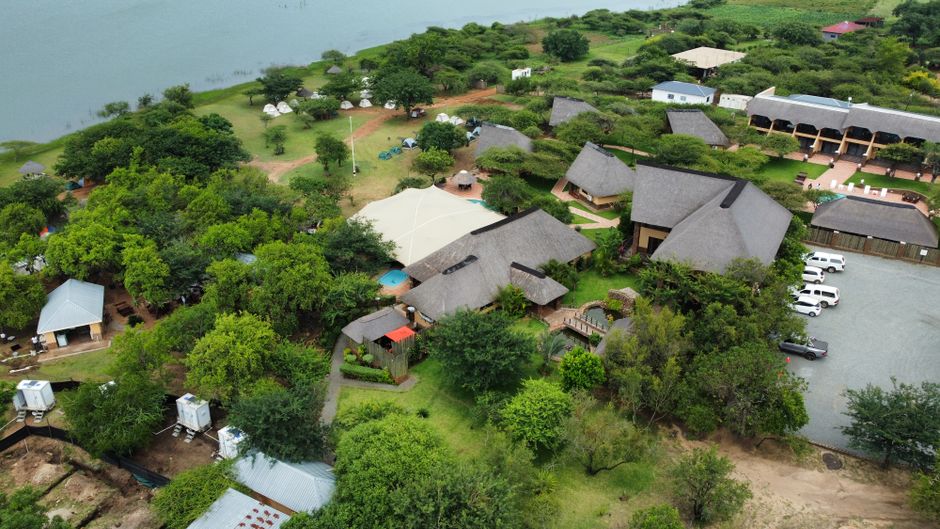
Why it suits low-impact travellers
Akagera Game Lodge is positioned for an in-park rhythm, which can support a smaller footprint in practice: fewer long transfers, less downtime between drives, and operations focused on keeping daily needs (like water use and waste handling) aligned with park expectations. Compact, lodge-style accommodation also tends to be easier to manage responsibly than high-volume alternatives.
When assessing low-impact fit, look for clear answers on basics such as how water is stored and treated, how greywater is handled, and how waste is segregated before removal. Even if details vary seasonally, a lodge that communicates openly usually reflects stronger operational discipline.
Ranger-led game drives that fit your schedule
Because you’re not far from the areas where game drives begin, it’s generally easier to add a true sunrise departure and to stay out for evening viewing without feeling like the day is constantly collapsing under transfers. The drive quality you can expect is typically linked to park guidance: rangers help interpret tracks, movement, and habitat features, which is especially useful in savanna and around watering points.
What this means for sightings in Akagera
With good timing, Akagera often rewards patience: early light can bring the most active movement for many species, while evening can be ideal for observing predators and large grazers as they shift across open ground and edges. If your priority is “time on the road that actually leads to wildlife,” a lodge with easy access usually helps more than one that offers longer midday breaks but forces early wake-ups plus extra travel time.
Lake Ihema Lodge: Water-Adjacent Views and a Natural Fit for Morning and Evening Drives

Low-impact advantages you can look for
Lake Ihema Lodge’s appeal is closely tied to the landscape it serves: water and wetland edges can concentrate wildlife activity, which can reduce the need for long-distance searching. From a low-impact perspective, that matters because less “driving around” often means fewer vehicle hours and less fuel use for the same viewing opportunities.
To keep the impact truly low, ask how the lodge handles water refill options, single-use plastics, and waste removal timing. A practical sign of responsibility is when staff can describe day-to-day systems confidently, including how they prevent waste from entering soils or drainage lines.
Adding sunrise and evening drives without losing comfort
For many travellers, the hardest part of planning dawn and dusk game drives is not the early start, it’s the logistics burden. A lodge close to where drives are run tends to make those extra departures realistic. That allows you to build a schedule with less stress: one solid early drive, one main daytime drive (often when visibility is best), and an evening session when animals reposition.
Sightings potential near Lake Ihema
Wetland-adjacent areas often deliver memorable wildlife moments because they support diverse habitats. When your ranger interprets conditions well, you’re more likely to get consistent sightings rather than only “occasional passing views.” This is also where careful vehicle behaviour matters: good guiding usually keeps the emphasis on observation and minimal disturbance, especially when animals are close to water.
How to Choose a Low-Impact Lodge and Make the Most of Your Akagera Trip
Ask the right questions before you book
If you want your safari to be genuinely low-impact, use these questions as your checklist. A lodge that values wildlife and community trust should be able to answer clearly.
- Water and waste: How is drinking water provided and refilled? Where does waste go, and how is segregation handled (if any)?
- Plastics and consumption: Do you have refillable water options and a plan to reduce single-use items?
- Driving and welfare: How do ranger-led drives decide where to view, and what are the rules on distance and time-on-view?
Match wildlife goals with drive timing
Akagera rewards planning that respects animal behaviour. If your target includes predators, focus on early and late drives when movement patterns are often more noticeable. If your priority is a broad mix of savanna wildlife, two drive sessions plus one midday drive can work well, as long as you don’t overload the day with constant departures that reduce rest and patience.
Book smart for a smoother, lower-stress itinerary
For checking availability across lodge dates and room types, Booking.com can be a practical tool to see how schedules line up with your planned drive times, especially when you’re building a multi-day itinerary.
Also consider how easy it is to adjust plans. Low-impact travel is not only about systems; it’s about how calmly you operate. Choosing a lodge where sunrise and evening drives slot naturally into the day reduces last-minute chasing, which helps wildlife welfare and makes your experience feel more intentional.
Respectful safari behaviour starts with you
Even in low-impact lodges, the wildlife experience depends on shared discipline. Keep voices low, follow ranger instructions precisely, and avoid pushing for “one more minute” when animals show clear signs of stress or when viewing becomes crowded. If you want the park to thrive, your choices should protect the animals’ ability to move, rest, and feed with minimal disruption.
Overall, the most low-impact safari lodges near Akagera are the ones that combine responsible on-site operations with practical access to ranger-led game drives. By choosing lodges with easy sunrise and evening timing and by verifying water, waste, and viewing standards before you book, you’ll get stronger sightings while supporting the park’s long-term health.
Leave a Reply