If you’re planning a Lower Zambezi safari, you might be wondering how to combine canoe cruises and walking safaris without missing the best wildlife moments. The river can be dramatic in the morning, quiet in the heat of the day, and electric again at dusk.
This guide shows you how river season affects what you see, how to decide between boat time and game drives, and how to structure a realistic day plan focused on hippos, elephants, and predators. You’ll also get practical advice for doing it responsibly, with wildlife welfare and local community respect at the centre of every choice.
Lower Zambezi River Safari Basics: Canoe and Foot
Because the same animals you want to see use both riverbanks and nearby woodland, your best sightings usually come from combining formats rather than relying on one. A well-run day balances time on the water (for approach and observation) with time on land (for tracking, positioning, and safer distances).
The safari rhythms you’ll likely follow
Most schedules use three viewing phases: morning and late afternoon for active searching, and midday for rest or lighter tracking when animals are less predictable. On the Zambezi, mornings often bring clear water visibility and calmer boat conditions, while evenings can deliver intense light for spotting movement along the banks.
Instead of trying to “cover everything,” aim for fewer targets, better observation time, and slower decisions. When your plan is built around how animals actually use the river corridor, you’ll spend less time waiting and more time learning what the landscape is telling you.
River Seasons and the Best Times for Canoe Cruising

From a viewing perspective, this means your “best place” on the river can shift. When the water is higher, you may need to watch longer for the right crossing or bank pause. When water is lower, you might get more frequent sightings, but the river can feel busier with competing activities—especially where animals funnel to drink.
Why hippos and elephants change their timing
Hippos are closely tied to water access, and their surface activity can look different depending on currents, temperature, and bank conditions. In many weeks, canoe time can be excellent for observing their behaviour from a distance—watching heads, backs, and breathing patterns rather than aiming for an “approach” that makes you dependent on closeness.
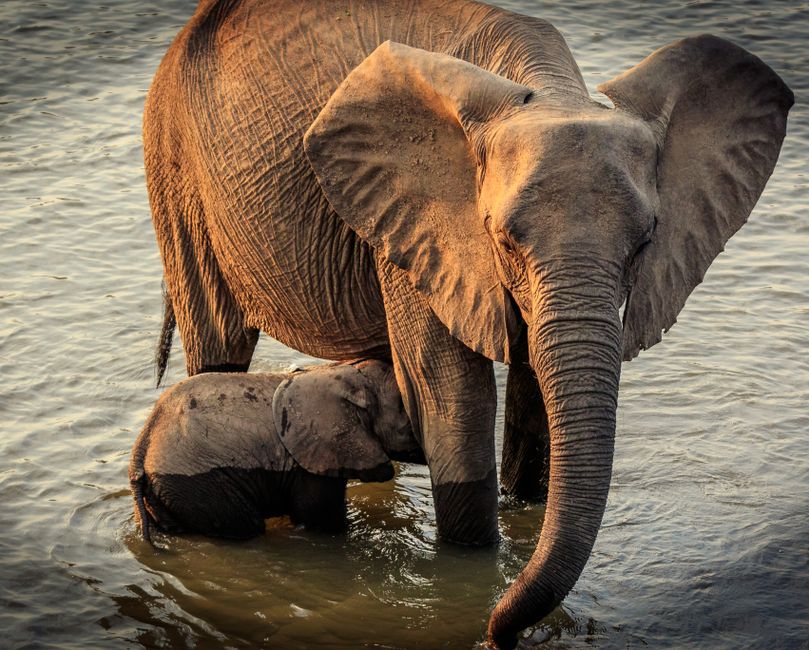
Elephants also respond to conditions. In some periods they concentrate along dependable water sources and travel corridors; in others, they disperse into broader woodland and floodplain edges. Your local guide’s read of recent tracks and bank usage matters more than any generic assumption about “where elephants should be.”
When to prioritise the boat (and when to pause)
Prioritise canoe cruising when conditions support quiet movement and visibility—often early and late in the day. If wind is strong or boat wake is high, the quality of observation can drop, and calm shifts from “comfort” to “welfare risk” because you may end up chasing action.
When the river is hard to read, switch emphasis to land-based time. That doesn’t mean giving up canoe altogether; it means using the formats strategically so you’re watching, not pressuring.
Planning Your Day: Boat Hours, Game Drives, and Walking

Think in terms of “windows.” If hippo or elephant activity is strongest in the early hours, plan your first viewing session to capture that rhythm. If predators tend to be easier to detect in cooler parts of the day, keep the most flexible tracking time for late afternoon or early morning.
How to decide between boat vs vehicle
When you should choose the boat: when the route is calm, you can maintain respectful distance, and the river corridor is likely to be used soon (based on fresh tracks, recent sightings, or guide knowledge of the day’s flow).
When you should choose a game drive instead: when visibility is poor from the water, when animals are likely to be farther inland, or when you need to reposition to intercept a movement pattern. A good day plan avoids “tactical whiplash,” where the same animal repeatedly escapes your observation because you’re switching formats without a clear objective.
A simple rule of thumb is that boats are best for observation at natural water edges, while vehicles are best for strategic positioning across the broader park.
Keep walking safaris for the moments that reward patience
Walking is at its best when it’s about following information, not chasing surprises. If tracks, fresh signs, and safe sightlines suggest a calm encounter zone, walking time can create the closest understanding—of trails, feeding areas, and how animals shift their attention.
But if the landscape suggests animals are actively moving through dense cover, walking becomes less predictable and can increase stress for wildlife. In those situations, use game drives to maintain safe distance and then convert walking into an opportunity only when conditions match the welfare priorities of the animals and the comfort of your group.
On Booking.com, you can often compare lodge location and seasonal availability so your itinerary aligns with when you want the boat and when you want more flexible land time.
Wildlife Viewing Itineraries: Hippos, Elephants, and Predators
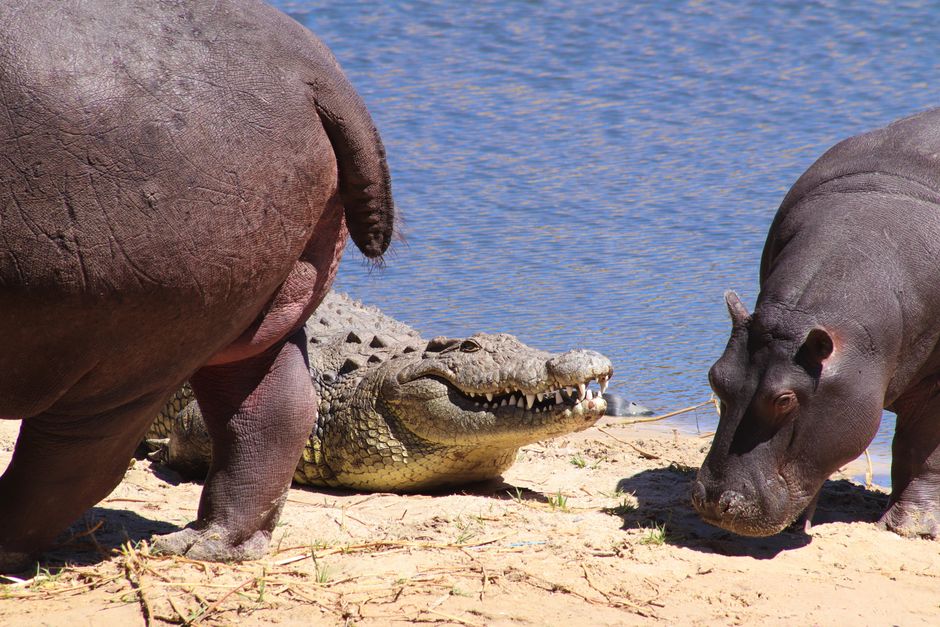
A good itinerary is to schedule hippo-focused viewing during calmer light. Spend enough time to let the water scene “reset” after any initial activity. If hippos are present but not behaving in an interesting way, don’t automatically assume you’ve missed something. Sometimes it’s simply a matter of waiting for the moment they decide to surface, move, or remain still.
Elephants: plan for movement corridors along banks
Elephants may use the river like a corridor, stopping to drink, trumpeting, or pausing to assess the environment. Walking safaris can be rewarding when tracks show they’re nearby and the terrain allows safe, quiet approach at respectful distance.
On canoe cruises, elephants are more likely to be seen as they approach or move along the bank rather than as a guaranteed “sight.” Prioritise patience: scan for movement above the shoreline, and use the guide’s positioning to keep the boat steady and the viewing angle clear.
To plan an elephant day, think in sequences. Start with early observation, add a land-based window if tracks suggest elephant travel nearby, and end with a dusk or low-light session when movement often becomes easier to detect.
Predators: position and pace matter more than luck
Predators are often the most exciting part of any itinerary, but they require the most disciplined pacing. Lions, leopards, and spotted hyenas can appear in different habitats, and their presence can be unpredictable. The goal is to make the most of each encounter opportunity without pressuring the animal into changing behaviour.
From a planning standpoint, your predator strategy should include two things: (1) repositioning time, and (2) observation time. Use game drives to move to areas that have the right habitat features and recent signs. Once there, reduce noise, keep a consistent rhythm, and let the predator reveal itself.
On the river, you may also detect predators indirectly—through movement at edges, alarm cues from other wildlife, or repeated paths used by animals crossing. Treat every clue as a prompt to slow down and interpret, not as a reason to rush closer.
Safety, Ethics, and Conservation in Lower Zambezi
Wildlife welfare: keep space and reduce pressure
Respectful viewing is about how you influence animal behaviour. Keep to safe distances, follow your guide’s instructions on where to stand or sit, and avoid any behaviour that suggests you want an animal to “come to you.” In a river system, sound carries and boat positioning matters; even small changes can affect how animals respond.
For hippos and elephants, the priority is calm observation. If the situation becomes tense—if animals change direction abruptly, show signs of agitation, or stop doing what they were doing—step back with your guide and let the scene settle.
Canoe etiquette: quiet movement and controlled positioning
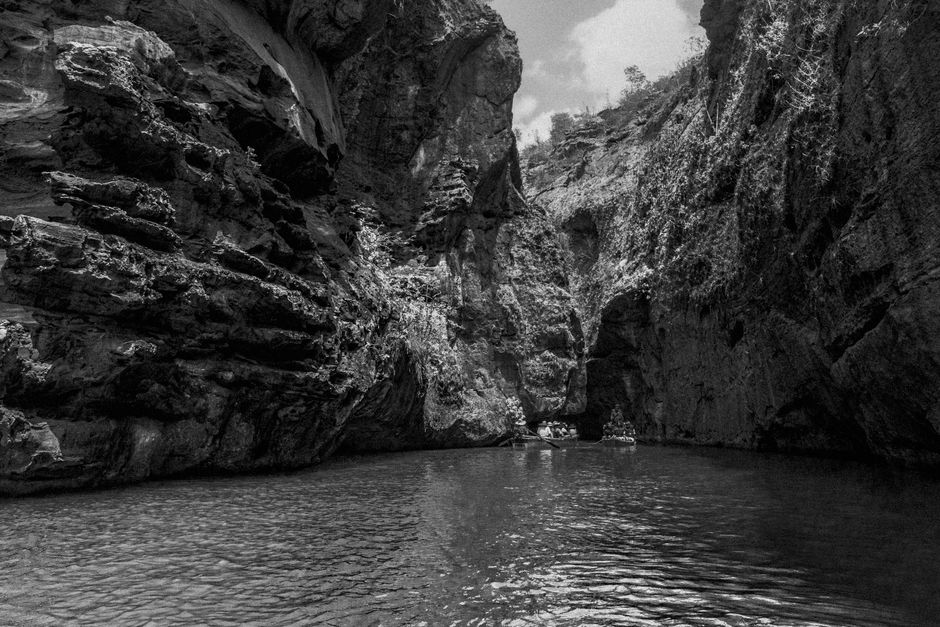
On the water, safety is as much about teamwork as it is about rules. Listen for guide calls, keep your posture steady, and avoid sudden movements that can startle wildlife or destabilise balance. If conditions make it harder to observe responsibly, it’s better to shift to land-based time than to keep forcing the boat onto an unfavourable route.
Canoe cruising should feel slower than driving because the goal is to maintain a natural viewing state. When you keep the pace gentle, animals often resume normal behaviour and you get longer, more meaningful observations.
Community and conservation: support the people protecting the habitat
Lower Zambezi safari experiences work best when they support local livelihoods and wildlife protection. Choosing knowledgeable guides, respecting local rules at access points, and using park-compliant practices helps ensure that wildlife survives and communities benefit from tourism.
Responsible tourism also means being mindful with waste, keeping a respectful attitude toward staff and local communities, and understanding that your choices influence the long-term health of the landscape you came to enjoy.
Overall, the best Lower Zambezi itineraries come from matching the right format to the right moment: use canoe cruises for calm, river-edge observation; bring walking safaris into play when signs suggest a safe, rewarding area; and rely on game drives to reposition strategically when conditions or predator timing call for it. With that structure in place, you’ll build day-by-day sightings for hippos, elephants, and predators while keeping wildlife welfare and local respect at the centre of every outing.
Leave a Reply