
If you're planning a safari trip for lion and leopard sightings, you might be wondering how to turn “maybe” into repeatable chances. This guide covers where to base yourself in Madikwe, when to drive for the best odds, and how to structure your days so you can enjoy the experience without fatigue.
Madikwe Game Reserve is one of South Africa’s stronger destinations for resident predators, but lion and leopard sightings can feel very different. Lions often show themselves when conditions suit them; leopards are less predictable and may be detected by movement, posture, and the timing of light.
Use the planning framework below to help you match your camp choice and daily schedule to the kind of viewing you want—whether that means classic open-vehicle drives or a more interpretive, slower pace on foot.
Where Lions and Leopards Tend to Show in Madikwe

Look for the “land features” predators use
Lions and leopards both hunt across Madikwe’s varied habitat, but they tend to make use of different cover and travel routes. Lions often concentrate where prey is easier to spot and where open sightlines help the group coordinate. Leopards, by contrast, rely heavily on ambush, so they are commonly associated with areas that offer cover, edges, and escape routes.
In practice, this means you’ll want drives that spend time around habitat transitions: the places where open grass or woodland meets thicker brush, drainage lines, and rocky or uneven terrain. You do not need the map to be perfect—your guide’s knowledge of tracks, movement, and wind direction is what turns landscape into sightings.
Track movement, not just species
A productive day usually begins with questions like: What are the herbivores doing today? Where are the fresh tracks and signs? Are predators moving toward water, staying near cover, or following prey activity?
For lions, signs may include fresh spoor, calls, or the presence of multiple predators in the same broader area. For leopards, signs are often subtler: repeated sightings in similar territory, a particular direction of movement, or the guide noticing that the “story” around a certain stretch of habitat is consistent over time.
Ask your guide how “local” the plan is
Before the first drive, request a simple explanation of how your camp and vehicle will approach sightings. Good guides can describe the logic behind their route choices—whether they are prioritising early predator movement, focusing on areas with recent activity, or repositioning based on wind and visibility.
That conversation also helps you manage expectations. Even on a great trip, not every leopard will be perched in full view. Your goal is to spend time in the right places and respond quickly when the reserve tells you it’s time.
When to Go and When to Drive for Best Chances
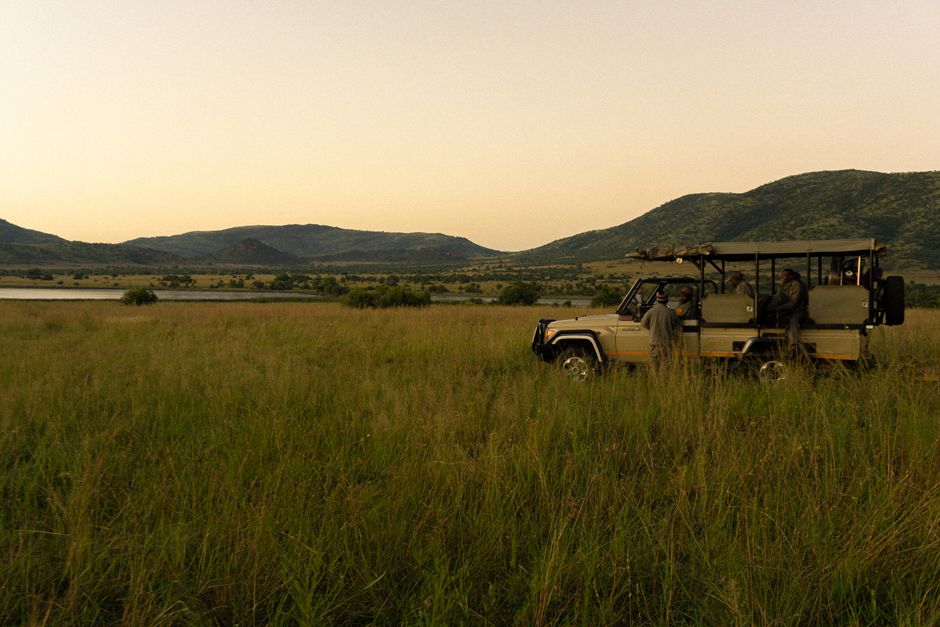
Seasonal timing and what it changes
Madikwe’s seasons affect visibility, water distribution, and how herbivores move. In general, drier periods can make animals easier to spot because grasses are shorter and tracks stand out more clearly. Wetter periods can improve cover and change prey patterns, which may shift where predators spend their time.
Instead of trying to force a single “best month” for lions and leopards, plan for flexibility with your daily schedule. If your trip lands in a lower-visibility period, you may need more patience, more time on the ground (where walking is offered safely), or a bit more willingness to accept shorter, quieter cat encounters.
The daily rhythm that boosts predator encounters
For big cats, timing your drives around natural activity windows matters. Many sightings occur when temperatures are more comfortable and prey movement increases. That often means:
- Cooler parts of the day for longer scanning and more careful tracking
- Late afternoon and early evening for renewed movement and potential stalking
Your guide may also adjust timing depending on cloud cover, wind, and how active the broader ecosystem is. Treat the start time and end time not as rigid schedules, but as thoughtful planning tools.
Build in a recovery break that doesn’t waste the day
Predator viewing can be intense: you scan for movement, track signs, and then wait for the moment when patience pays off. A good safari schedule includes a true midday reset—time to rest, hydrate, eat, and reduce the “always alert” strain that builds fatigue.
A reliable pattern is to avoid back-to-back drives with minimal break time. When you’re rested, you notice details sooner, and you’re more comfortable following safety instructions without feeling rushed.
Camp Choice by Sighting Style: Open Vehicle vs Walking

Decide what “comfort” means for your viewing
Your camp decision should support the kind of sightings experience you want. Open-vehicle drives typically offer wide scanning, easier observation for group behaviour, and the chance to cover more ground quickly when tracks appear. Walking (only if it’s offered by your camp and conducted by qualified guides) can deliver a closer, quieter way to read the environment—useful for leopard sign and for understanding how predators move through cover.
Choose open-vehicle time if you want more frequent chances at spotting movement at distance. Choose a walking-forward itinerary if you value interpretation and are comfortable with slower, more deliberate observation.
Proximity and access: why “where you sleep” matters
Some camps are better positioned for rapid access to key areas, which influences how soon you can respond when lions or leopard signs are found. Even with excellent guiding, long travel time can reduce the number of active hours you spend in predator territory.
When comparing camp locations, focus on how the schedule feels on paper: how early you can get to first scanning, how long the late-afternoon drive runs, and whether you have enough time to return and rest between drives. A great leopard sighting can come from one change in route; being able to reach potential territory without excessive delay matters.
Ask about how sightings are handled when they happen
A camp’s approach to timing also affects outcomes. Ask how your guide will manage an unexpected sighting: Will you stay with the first cat if it moves into cover? Will the vehicle move to the best observation angle? Will walking be paused if a leopard is too close for safe, responsible viewing?
Knowing this upfront helps you align expectations. A successful safari is not about “chasing” at any cost; it’s about maintaining respectful distances, respecting the animal’s space, and still getting meaningful time to observe.
Structuring Lion and Leopard Days to Avoid Fatigue

Use a “target rhythm” without forcing certainty
Lions can be easier to locate when pride activity aligns with your drive timing, but they can still be elusive depending on prey behaviour and heat. Leopards are independent and may be present, but not always visible.
A smart schedule treats both species as possible outcomes rather than guarantees. You can plan around a target rhythm—for example, reserving your most energetic observation windows for the drives that typically cover the most distance and provide the best visibility, while keeping quieter periods for repositioning and rest.
Keep drives purposeful: scan, track, then enjoy
Fatigue grows when time is spent “just driving” with no clear plan. A more comfortable approach is to look for structure in how drives operate. You want your guide to balance:
- scanning for movement in open areas,
- checking tracks and signs where cover supports stealth,
- and staying long enough to appreciate behaviour once a cat is located.
If sightings are quiet, the best guides will explain what they’re looking for and why that route is being used. This keeps the experience engaging and reduces the mental strain of wondering whether the day is failing.
Example schedule that balances sighting time and rest
Use this as a template and let your guide adjust it to conditions.
- Morning: a cooler drive with an emphasis on scanning and sign-finding
- Midday: a real rest break with hydration, shade, and time off your feet
- Late afternoon: a longer drive geared toward renewed movement and tracking
- Evening: a final observation window if it fits your comfort level and the reserve’s schedule
The key is not the exact order of drives; it’s spacing. When your body is tired, your attention drops, and you’re more likely to feel rushed. When you feel steady and comfortable, you can follow guidance calmly—especially important around lions, where sudden movement can be unpredictable.
Wildlife Welfare, Safety, and Respect in Lion and Leopard Territory
Follow distance and positioning rules every time
Responsible viewing is about giving predators room to behave naturally. Lions and leopards can react quickly to changes in vehicle angle, noise, or proximity. That’s why your guide’s rules about how to stop, how long to linger, and where to position the vehicle matter.
If a cat is moving toward cover, the safest approach is usually to allow that movement without blocking escape routes or pressuring the animal. If a lion is resting, avoid turning your viewing moment into a disturbance—quiet observation is typically more valuable than chasing “one more angle.”
Don’t amplify risk with sound, lights, or fast decisions
Even on a well-managed safari, risk can rise when distractions are introduced. Keep voices low, avoid sudden shouting when excitement builds, and follow instructions about movement around other vehicles. Cameras are welcome, but handling them without causing noise or crowding helps everyone keep control of their behaviour.
For leopard sightings in particular, remember that “out of sight” often means “inside cover” rather than “gone.” Moving too quickly to compensate for lost visibility can lead to unsafe positioning. Patience is part of safety.
Support conservation through how you travel
Madikwe is sustained by conservation-minded management and the protection of wildlife habitat. You support that work when you respect reserve rules, minimise disturbance, and choose operators that prioritise wildlife welfare.
It also matters how safari tourism interacts with surrounding communities. Respect local guidance, follow cultural etiquette when opportunities arise, and treat every staff member with professionalism. A good safari is not only about seeing lions and leopards—it’s about ensuring the reserve remains a place where wildlife can thrive.
Overall, planning a Madikwe safari for lion and leopard sightings comes down to three choices you can control: match your camp to your preferred sighting style (open-vehicle for coverage or walking for interpretive pace), time your drives around the reserve’s natural daily rhythm and seasonal conditions, and build a schedule with real rest so your attention stays sharp. With that structure in place, your guide can do what guides do best: respond quickly to signs, position you responsibly, and turn time in the bush into calm, meaningful encounters with big cats.
Leave a Reply