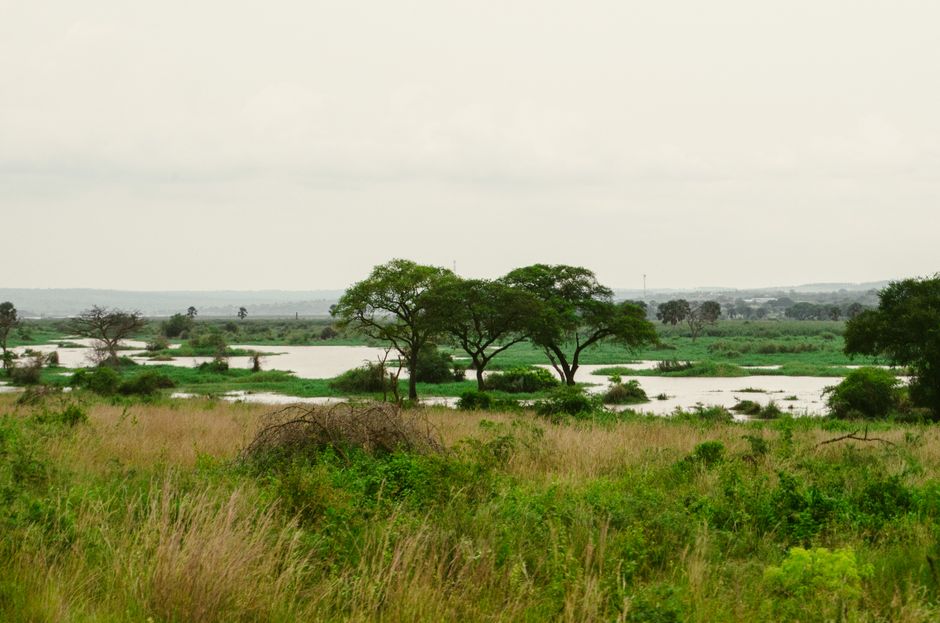
If you're planning a safari trip, you might be wondering how you can make your experience more sustainable. Murchison Falls National Park rewards exactly that kind of planning, because the best wildlife moments happen in predictable rhythms, and the park’s iconic viewpoints need responsible behaviour.
This guide shows you how to plan morning wildlife drives, time your route to the top-of-the-falls viewpoints, and schedule your Nile boat cruise for the best sightings, while keeping low-impact viewing rules front and centre.
Where to Start: Choosing Areas, Routes, and a Realistic Daily Flow

Decide on your base area first
Murchison Falls National Park is large, and your “day” can feel very different depending on where you base yourself. Most itineraries revolve around convenient access to the northern sector (often associated with the boat-crew and river-corridor logistics) and the park’s interior tracks leading out to savannah game-viewing areas. Staying close to the day’s main activity reduces time spent in transit and leaves more energy for wildlife-focused viewing.
Build a day around two big blocks
A practical pattern is to anchor your trip with two major wildlife windows (usually a morning drive plus a late-afternoon drive or timed river activity). Then add your falls experience (either before or after the wildlife drive) and keep some breathing room for unexpected sightings. When animals are active, it is worth following your guide’s judgement on whether to stretch a drive slightly rather than rushing to a fixed timetable.
Plan transfers so you arrive for the best light and sightings
If you can, structure your itinerary so you are in the right place early rather than late. Arriving for dawn or shortly after sunrise generally improves your chances of seeing mammals feeding and moving. For the top-of-the-falls viewpoints and the boat cruise, aim to reach the meeting point with a buffer so that you do not end up sprinting through low-impact rules.
Morning Drives That Pay Off: When to Go and Where to Look
Treat the first hours as your highest-value viewing
In Murchison Falls, morning is typically when animals are easiest to spot and more likely to be moving between feeding and watering areas. For planning purposes, try to keep your first drive as unhurried as possible: fewer delays before you leave camp usually mean more time scanning for spoor, herds, and predators.
Focus on routes where the habitat does the work
Your guide will choose exact roads and viewpoints, but the principle is the same: look for areas where the park’s water sources and cover create natural “meeting points.” River corridors and areas near seasonal water tend to attract wildlife, while open savannah routes can be ideal for spotting larger mammals at a distance before they approach the roadside.
Keep your drive style low-impact
Low-impact viewing is about behaviour as much as distance. Avoid unnecessary revving or aggressive edging forward, keep noise levels down, and let other vehicles find their own viewing angles. If an animal is moving away from you, the responsible move is usually to slow down, give space, and allow calm re-alignment rather than forcing a better look.
Species you can often spot (examples to help you set expectations)
- Elephants
- Rothschild’s giraffe (where available in the park’s suitable habitats)
- Uganda kob and other antelopes
- Buffalo
- Lions
- Cheetah or leopards (less predictable, but a reason to stay alert)
- Hippos near the water
- Nile crocodiles
- Waterbirds along river stretches
- Large raptors that hunt in open areas
Top-of-the-Falls Viewpoints: Timing, Safety, and Respect
Plan your route around your energy and the return pace
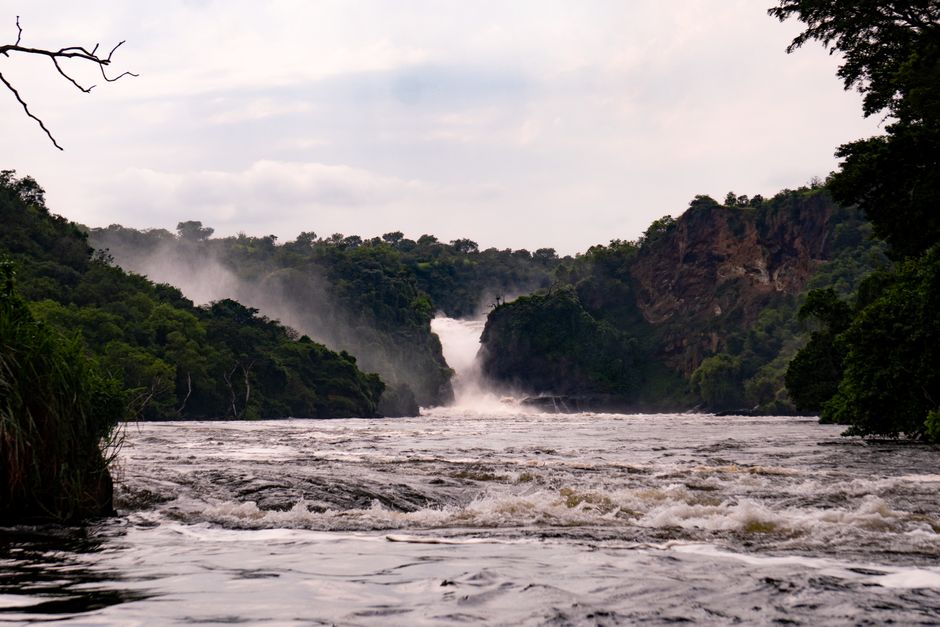
The top-of-the-falls viewpoint experience is best treated as a mini-adventure inside your safari day. It involves a walk from the main areas to the viewpoints, and your pace should match your group and conditions. Build the buffer into your schedule so the activity stays comfortable even if you pause for wildlife, birds, or photo opportunities.
Expect strong spray and plan your kit accordingly
At the falls, mist and spray can reduce visibility and make surfaces slick. Keep phones and cameras protected from moisture, wear comfortable footwear with good grip, and follow any guidance from your guide on where to stand. If you are sensitive to noise or mist, it helps to plan for short stays at each viewpoint rather than pushing through fatigue.
Use viewpoint etiquette for better wildlife outcomes
Even at the most scenic spots, animals may be resting or moving nearby. The key rules are straightforward: do not block paths, avoid standing in ways that force others off-trail, and keep safe space from any wildlife. For photography, resist the urge to step forward for a “closer shot.” A stable, respectful position is usually safer and produces better results than rushing closer.
Nile Boat Cruise Planning: The Right Window for Sightings

Choose a departure time that suits wildlife behaviour
Boat cruises are often a highlight, because the riverbanks concentrate both animals and birds. For planning, think in terms of when you will have the best balance of wildlife activity and calm conditions. Many safari schedules prefer a mid-morning departure after an early drive, while others place the cruise later in the day to avoid the strongest glare and crowds. Your lodge or guide can advise based on local conditions.
Look for the “riverbank story” rather than single moments
A great cruise is rarely about one animal. Instead, it is about building a picture: hippos surfacing and moving along channels, crocodiles basking, and waterbirds feeding and calling. Your guide’s experience matters here—listening to their instructions and scanning systematically from multiple angles usually outperforms random bursts of excitement.
Follow boat rules that protect both you and the wildlife
Low-impact boat viewing means maintaining smooth, controlled behaviour: stay seated, keep noise down, and avoid sudden movements that create wake or disturbance. If your guide calls for an approach or a pause, treat that as part of conservation and safety, not just efficiency. Never attempt to feed animals or get too close for a photo.
Responsible Safari Planning: Low-Impact Rules That Make the Experience Better
Use a simple low-impact mindset in every activity
The best Murchison Falls safaris feel calm, not chaotic. If you keep these principles in mind, the trip is easier for everyone: stay with your guide, keep to designated routes and viewing points, avoid chasing wildlife for better photos, and never block other vehicles or people from observing safely. For the falls and the river, remember that weather changes quickly—good decisions are often the ones that keep you on your feet and in control.
Support the park through respect and patience
Respect for local communities and the conservation effort goes hand in hand. That means following rules around where you can stand, not littering, and speaking politely and clearly with staff and guides. It also means taking wildlife viewing seriously: every time you reduce noise, disturbance, and unsafe approaches, you help keep habitats stable for the animals that make Murchison Falls worth visiting.
A simple 3-day planning template
If your trip window allows, a three-day rhythm often works well: Day 1 is your strongest morning drive plus an afternoon slot for the falls viewing; Day 2 can focus on the Nile cruise and a different game-viewing route depending on where sightings have been reported; Day 3 ties the itinerary together with a final early drive and any optional primate or forest-adjacent time if it fits your interests.
For selecting nearby accommodation that matches your planned start times, Booking.com can be useful for comparing availability around the park’s main access points.
Overall, the key to planning a Murchison Falls National Park safari is to structure your days around animal activity: protect your mornings for game drives, schedule the top-of-the-falls viewpoint with enough buffer for comfort and safety, and time your boat cruise for calm, respectful viewing along the riverbanks. When you follow low-impact rules throughout, you get the best chance of memorable wildlife moments while helping ensure the park remains thriving for the next set of visitors and communities.
Leave a Reply