
If you're a birding enthusiast, then you know that Africa is a paradise for birdwatching. The Niger Delta takes that promise one step further by combining lush mangroves, rainforest patches and the chance to spot West African manatees in the same watery landscape.
This guide walks you through planning a manatee-and-bird safari in Nigeria’s Niger Delta: when to go, how boat and creek routes are shaped by tides and water levels, how to pick a guide who prioritises wildlife welfare and accurate sightings, and what to expect from both mangrove birding and canopy birdlife. You’ll also find practical, low-impact ways to enjoy the experience without stressing animals or disrupting local communities.
When to Go for Manatees and Mangrove Birds

Tides matter more than the calendar
In mangrove country, “right time” often means the tide window. Manatees tend to use deeper, slower-moving channels and creeks where water remains stable as the tide moves. Bird activity can peak during similar daylight windows, especially around dawn and early morning when insects are active and the canopy starts to wake.
Ask your operator to build the itinerary around tidal timing rather than fixed clock times. A good guide will pair your viewing with the kind of water you’ll be cruising through: smoother, more navigable channels for careful approach, and the right depth for keeping a respectful distance from animals.
Dry versus wet season: balancing access and wildlife activity
The Niger Delta generally has a wetter season and a drier season, though exact months can vary year to year. In practice:
- Drier periods often mean clearer routes, less muddy water and easier navigation in smaller channels, which benefits both birding (visibility for scanning) and comfort on the boat.
- Wetter periods can bring higher water levels and stronger tidal flow, which may concentrate food and activity in certain channels. The trade-off is that access can be slower, trails may be slippery and rain affects how long you can comfortably spend listening and scanning.
Either season can work. The best planning approach is to treat “visibility and comfort” and “water conditions and animal movement” as the two variables, then choose dates that match your priorities.
Build your safari around a long dawn and a quieter late afternoon
For wildlife, fewer but well-chosen outings usually outperform rushed schedules. Aim for at least one early morning session when the mangrove birds begin calling and movement through the canopy is most obvious. A late-afternoon window can also be productive because light changes quickly along the waterline, and some rainforest birds become more vocal as day turns to evening.
How Niger Delta Creek Routes Work

Reading the water: deeper channels for manatees, edges for birds
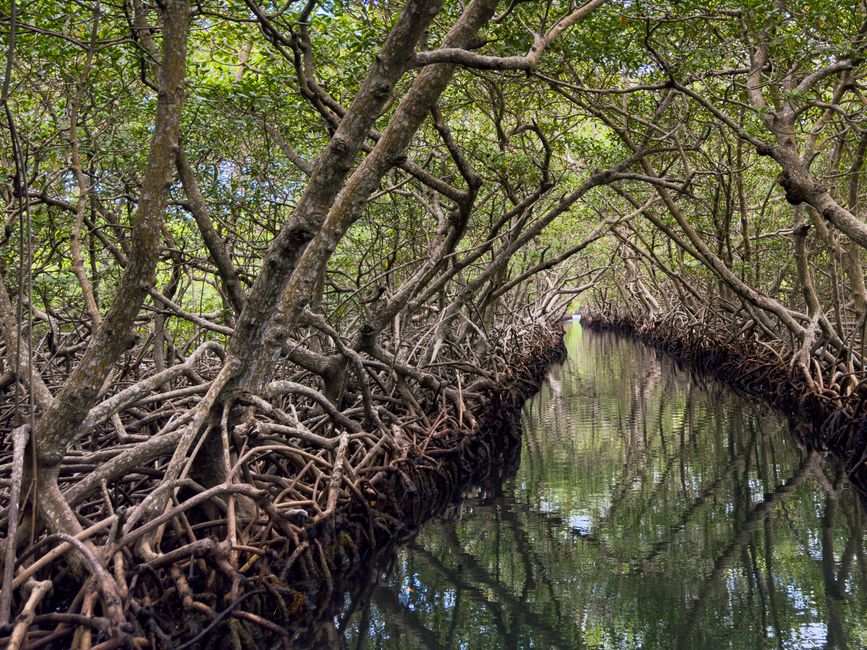
Mangroves aren’t just scenery; they shape how animals move and how boats can travel. A wildlife-first route design usually separates your day into zones:
- Deeper tidal creeks and channels where the boat can move smoothly enough for quiet observation and where manatees are more likely to surface.
- Mangrove root edges and sheltered shallows that attract feeding behaviour from smaller birds and create the “texture” birders love for scanning.
When the guide chooses the approach, they’re also managing risk. Too shallow can mean the boat gets too close to roots and animals, while too open can increase distance and make it harder to spot wing movements and subtle calls.
Engine management and approach style
Even with a skilled crew, the way a boat is driven affects wildlife welfare. The best guides manage speed, keep turns gentle and reduce noise when animals are likely to be near the surface. Look for operators who can slow down immediately on request and who treat a sighting as a listening-and-watching moment, not a chase.
Itinerary design: half-day segments beat long, tiring marathons
A practical Niger Delta safari often works best as connected segments:
- morning boat time in the best light for both visibility and bird calls
- a midday break when rain and heat are less cooperative
- a later return to quieter waterways for birding or short rainforest-edge walks
This structure also gives your guide flexibility to adjust routes depending on what’s actually happening that day, rather than forcing every plan to match a printed schedule.
Selecting the Right Guide for Wildlife-First Sightings
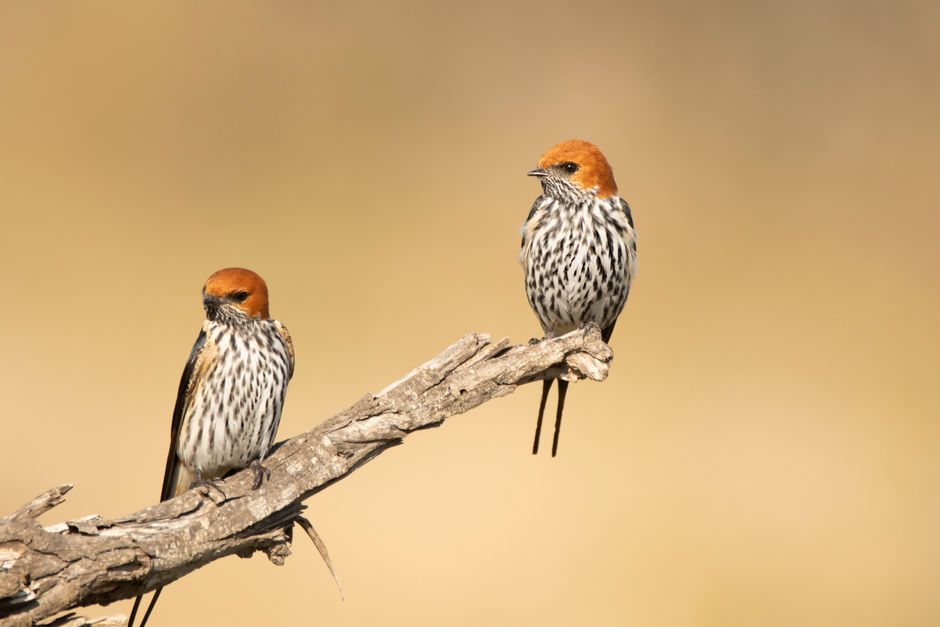
Ask about their manatee protocol
Guide selection can make the difference between a calm, rewarding encounter and a stressful one for animals. Before you commit, ask specifically how the crew handles a manatee sighting.
A strong answer usually includes points like: maintaining distance, avoiding feeding, not chasing, and controlling boat approach to minimise disturbance while still giving you enough viewing time.
Choose birding expertise, not just general sightseeing
For mangrove birds and rainforest birds, the guide’s birding skill matters. The best guides can spot movement through mangrove branches, interpret calls, and know when to pause so you can hear rather than only look.
Look for a guide who will:
- slow down at promising patches
- encourage careful scanning from the waterline
- explain what you’re likely seeing (for example, foraging behaviour or canopy movement)
Watch for ethics, safety and community respect
In the Niger Delta, local knowledge is essential for both wildlife and safety. A reputable operator will also manage community relationships respectfully, such as sticking to agreed access areas and avoiding actions that could disturb residents or degrade mangrove habitat.
For a quick screening, use this list when speaking with an operator:
- West African manatee viewing approach (quiet, non-chasing protocol)
- Tidal creek manatee patrols timed around depth and calm water windows
- Mangrove root-edge birding time focused on scanning and listening along sheltered edges
- Canopy sessions at elevated viewing points or safe rainforest viewpoints
- Rainforest patch trail walks aimed at canopy and mid-storey bird activity
- Rainforest and mangrove “quiet rules” such as no feeding, no close pursuit, and controlled boat speed near wildlife
If the guide can’t explain these clearly, it’s a signal to keep looking.
What You’ll See: Mangrove Waterways to Canopy Birdlife
Manatees: what a good encounter feels like
A well-managed manatee sighting often looks unhurried. You may notice the animal first as a subtle change on the water, then as it surfaces briefly to breathe, before easing back down again. In calm conditions, you can sometimes observe feeding or slow movement as the tide shifts.
Because manatees are sensitive to noise and physical disturbance, the best viewing sessions are the ones where the boat is steadied, the crew is quiet, and the guide gives you time to watch without pushing closer.
Mangrove birding highlights: scanning, sound and silhouette
Mangroves can be surprisingly bird-rich, but birds often choose dense cover, which means birding technique becomes part of the experience. Expect a lot of “small signals”: movement between roots, wing flicks, and sudden calls in the same general area.
A typical mangrove birding rhythm includes:
- pausing frequently so you can hear calls clearly
- scanning the waterline and root structures where insects gather
- checking for birds that use gaps in the canopy for short flights
Bird activity often intensifies at the start of the day, so arriving prepared for early viewing is worthwhile.
Canopy and rainforest birds: how to make the most of height
Rainforest birding adds a different layer of challenge. Many species are not constantly visible, but canopy and mid-storey layers can reward patience, good light and controlled observation.
From elevated viewpoints or safe rainforest paths, expect to rely on a combination of:
- listening for repeated calls before trying to locate the bird visually
- watching fruiting or flowering areas where canopy movement can be more obvious
- using binoculars to track silhouettes against brighter sky patches
Canopy birding is also where guides who understand behaviour help most. Birds may appear in bursts and then vanish into thicker cover, so an effective guide will tell you when to linger and when to move to the next listening point.
Making the Most of Your Safari Without Disturbing Habitats
Keep low-impact photography and watching in mind
Wildlife welfare matters in every habitat. For manatees and birds, the most respectful approach is simple: avoid sudden movements, keep noise low, and do not attempt to “improve” a shot by closing distance.
Practical tips that help wildlife and your photos align include:
- photographing or filming from the same position once an animal is found
- using zoom rather than moving the boat closer
- keeping time for your own comfort without extending a wildlife moment unnecessarily
Personal safety: water, heat and weather
A mangrove safari is water-based, and conditions can change quickly. Plan for life jackets on boats, stable footwear for rainforest sections and weatherproof clothing for sudden rain. Mosquitoes can be an issue in humid environments, so it helps to prepare with insect-repellent strategies recommended by a travel clinic.
Also remember that boat routes in mangroves can include stops and turns. Motion can make you feel less steady, so secure your camera gear and avoid standing during travel.
Plan booking and timing with flexibility
Mangrove conditions and wildlife sightings can vary even on the same route from one day to the next. To handle that reality, keep a little flexibility in your travel dates and build enough time for early starts.
If you’re comparing options and want a starting point for operator schedules and review snippets, tools like Viator can help you cross-check what’s offered. The key step after that is still the same: confirm tides, route style and wildlife welfare rules directly with the operator.
Overall, the most successful Niger Delta mangrove safari planning comes down to choosing the right season window for travel comfort, matching your creek routes to tidal depth, and selecting a guide who can combine wildlife welfare with real birding and manatee expertise. When those pieces align, you get more than sightings: you get a calm, respectful rhythm through mangrove roots and rainforest canopy where both manatees and birds can reveal themselves on their own terms.
Leave a Reply