
If you're a birding enthusiast, then you know that Africa is a paradise for birdwatching.
If you're planning a safari trip, you might be wondering how you can make your experience more sustainable.
This guide takes you to Niokola Bay National Park in Senegal for some of the most rewarding coastal birding in the West African mangroves—especially for waders, terns, and the birds that move between mangrove creeks, tidal flats, and sheltered lagoons. You’ll learn the habitats birders actually target, the best daily and seasonal timing for key waterbirds, and how to view responsibly for wildlife welfare and local conservation.
Where to Bird in Niokola Bay National Park

Tidal mudflats at low water
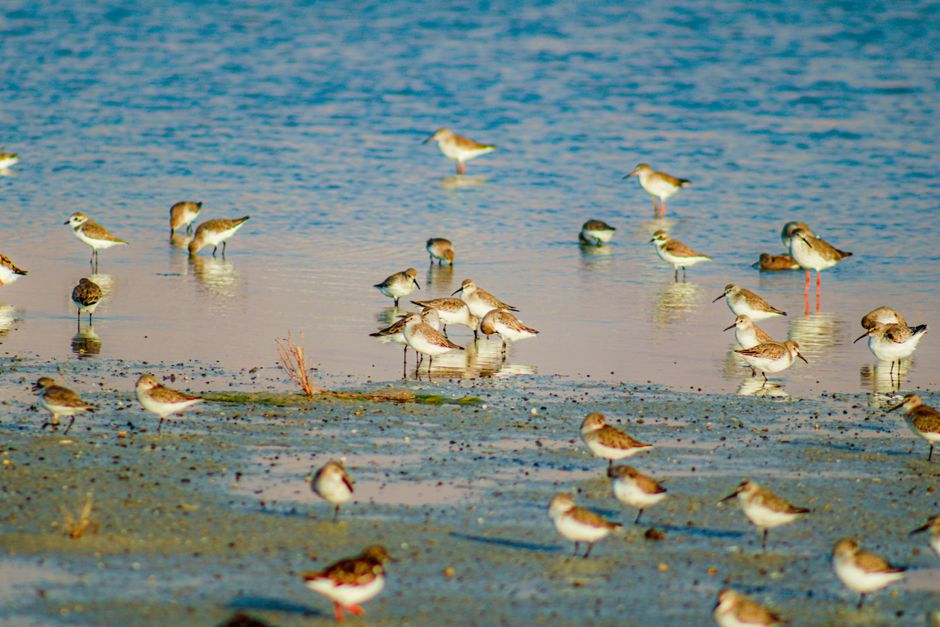
When the tide drops, the bay reveals wide stretches of feeding habitat. This is where waders concentrate, working the mud like living instruments—probing, pausing, and probing again. For the best results, you’re not just looking for movement; you’re reading the pattern of movement. A line of birds feeding can indicate the freshest feeding zone, while quiet clusters may be waiting for the next wave of insects and small crustaceans to wash in.
Lagoon margins and sheltered coves
Sheltered lagoon shorelines change the “rules” compared with exposed flats. In these calmer waters, small pools and shallow shelves hold birds longer, giving you time to get comparisons between similar species. Along the edges, look for the water’s micro-habitats: a slightly deeper channel, a narrow spit, or a spot where floating debris gathers can be exactly where terns and other waterbirds choose to pause before moving again.
Target habitats to focus on
Use these micro-habitats as your practical “search pattern” during walks and boat time.
- Mangrove creeks and root systems
- Tidal mudflats (exposed at low tide)
- Lagoon shoreline with shallow shelves
- Sandbars and small islets used by roosting terns
- Backwater pools and channels where waders pause between feeds
Best Seasons and Daily Timing for Waders and Terns
Morning and evening for terns
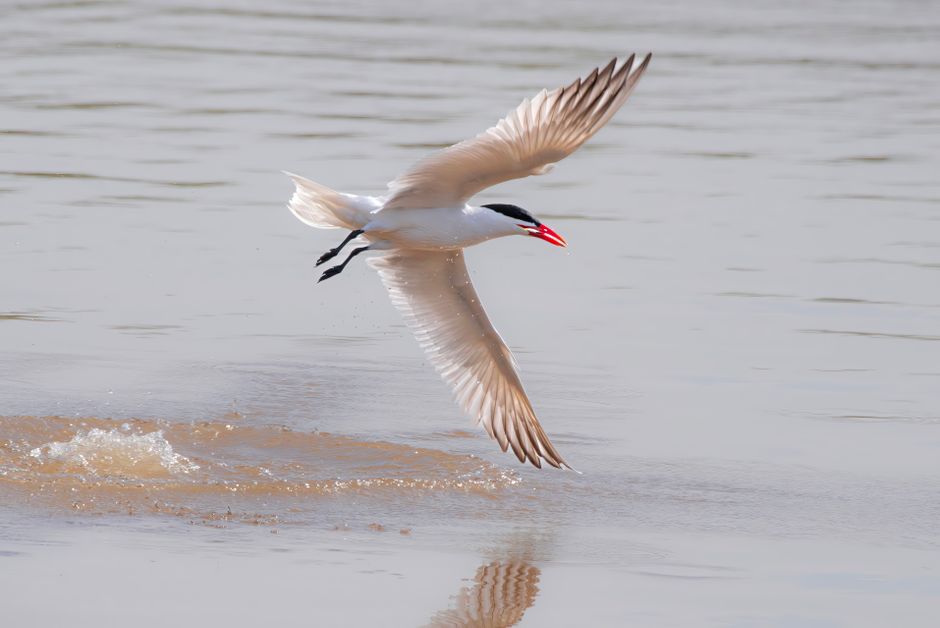
Terns tend to be most visible when they are active—flying over open water, hovering briefly to check prey, then dropping into shallows. Early mornings can bring clear viewing conditions as birds start their daily rounds, while late afternoons can offer dramatic silhouettes and steady scanning time. If the weather is warm and glare is strong, adjust your angle and use shade where possible to reduce squinting and help your eyes stay on birds rather than the horizon line.
Seasonal windows for migrants
Niokola Bay is part of the wider West African coastal system used by migratory waterbirds. Many Palearctic waders and terns build their annual presence around the cooler months, when they move along coastlines and wetlands with reliable food availability. A practical rule of thumb for planning is to prioritise the period from roughly late autumn through early spring, then treat the hottest months as more unpredictable for migrant-heavy concentrations.
How to Scan Like a Birding Pro (Without Disturbing Birds)
Watch for tide lines and fresh feeding activity
Birds don’t distribute randomly. Look for the active edges of feeding: a narrow band where birds are probing repeatedly, or a short “corridor” along the shoreline where movement concentrates. Tide lines matter because prey availability often increases where water movement brings food into shallow areas. If you notice that a section of flats is full of feeding birds, stay observant rather than sprinting to the next patch—you can often find better behaviour and clearer IDs by letting the birds come to your field of view.
Use mangroves strategically for shortlists
Mangrove creeks can be harder because sightlines are broken by roots and leaves. That said, mangroves are ideal for building a shortlist of likely species. Start by looking for behaviour cues: birds that remain motionless among roots may be hunting in short bursts or waiting for prey to come into reach. Birds that repeatedly flush to the channel edge and return to cover can be easier to track once you know what the “route” looks like.
Respectful Birding in Mangroves and Lagoons

Keep distance at roosts and feeding zones
Waders and terns can respond quickly to disturbance, especially when they are feeding hard or settling to rest. If birds flush repeatedly, you’ve likely pushed past the tolerance point. A good approach is to observe from farther out first, then only close the distance if birds remain calm and continue feeding normally. Terns using sandbars often have very specific landing and takeoff behaviour; giving them space helps keep viewing both respectful and productive.
Work with local knowledge and community priorities
Niokola Bay’s coastal birdlife is sustained by local stewardship, including ranger patrols and community rules around access and resource use. You’ll typically get better birding outcomes when you share a clear, respectful intent: stick to agreed areas, avoid collecting anything from the ecosystem, and ask your guide or ranger what is off-limits at that time. Conservation works best when birders treat rules as part of the ecosystem—not as obstacles.
- Keep noise low and avoid blocking bird flight lines.
- Don’t chase birds or “herd” them into view.
- Never damage mangrove roots or disturb nests/roosts.
- Give flushed birds time to settle before resuming scanning.
Planning Your Niokola Bay Birding Trip
Choose tide-aware days
A successful wader day is about timing, not only location. Build your plan around low tide for exposed feeding grounds and around higher tide phases for lagoon edges and mangroves where birds become more concentrated in narrower areas. If you’re doing multiple outings, consider pairing one day that targets mudflat foraging with another that focuses on calmer lagoon margins and tern movement.
Combine shoreline and sheltered water time
If your schedule includes boat time, it can complement walking by getting you onto angles that cover both open water and nearby roosting options. Still, the goal is always low-impact observation. Keep your approach steady, avoid sudden changes that can create wake and noise, and follow ranger instructions about where boats can land or idle.
Make the most of field notes and ID practice
To turn sightings into memories you can actually use, keep notes that reflect behaviour and habitat rather than only appearance. Recording details like tide state, time of day, and whether birds were probing, resting, or flying over open water helps later comparisons. If you’re working on terns, also note flight behaviour: some species show different “search” styles over water, while others choose different settling spots.
Overall, the best way to bird Niokola Bay for waders, terns, and mangroves is to treat the park like a system driven by water movement. Focus on the mangrove-crease edges, tidal mudflats, and lagoon margins; time your outings to low tide for waders and active morning or evening windows for terns; and keep your distance so the birds can keep doing what brought them to the bay in the first place.
Leave a Reply