
If you're planning a safari trip, you might be wondering how you can make your experience more sustainable.
This guide helps you plan a Nouabale-Ndoki National Park safari with clear, realistic expectations for forest elephants and gorillas. It explains what “best areas” means in rainforest conditions, how guide-led tracking works on the ground, and what to do so sightings happen while protecting wildlife and nearby communities.
You’ll also get practical ideas for where your trek or tracking typically starts, how weather changes the day, and how to keep your plans flexible when visibility is limited under tall canopy.
- Nouabale-Ndoki National Park
- Forest elephant tracking on foot
- Western lowland gorilla trekking with habituated groups
- Clearings and mineral sites frequented by forest elephants
- Gorilla feeding and sleeping zones along ranger-defined trails
Rainforest Realities: Matching Expectations in Nouabale-Ndoki
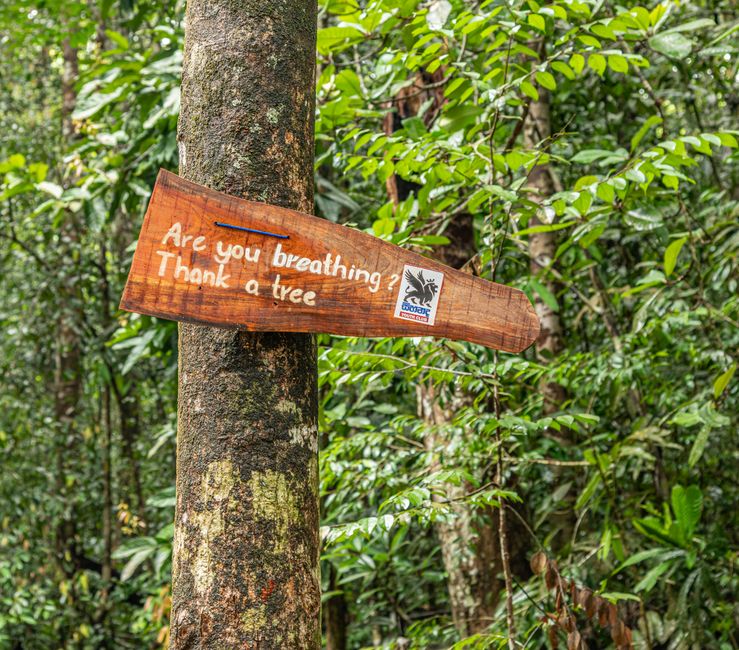
Dense forest changes what “good viewing” looks like
In rainforest, wildlife rarely offers wide, open sightlines. Instead of long-distance spotting, you’re more likely to experience close, brief encounters after a ranger or guide follows signs such as calls, fresh tracks, dung, broken vegetation, or disturbed leaf litter. For forest elephants, that can mean tracking periods where you’ll hear more than you see, then get a short window of view when the animals move into a corridor or clearing.
For gorillas, the emphasis is less on spotting and more on finding the right trail at the right time. Even when gorillas are present in a sector, group movement can shift the route. Your experience improves when you plan for uncertainty: forest time is real time, and your schedule is designed around the animals, not the other way around.
Tracking depends on the people who know the forest
In Nouabale-Ndoki, your chances are closely tied to skilled guides and trackers who can read the forest’s “language”. That includes interpreting older and newer signs, understanding how elephants and gorillas travel through thick understory, and adjusting routes when heavy rain erases clues.
Ask what your team will do before you set out: how long tracking might take, whether the day involves walking only or a combination of walking and short boat transfers, and what “success” looks like for that specific sector. A good team will explain that the aim is respectful, regulated viewing rather than forcing a close approach.
Safety and comfort are part of wildlife welfare
Rainforest safaris can be physically demanding. Staying safe, moving carefully, and maintaining group discipline protects you and reduces stress on animals. It also prevents accidental damage to habitats and minimizes disturbance to other wildlife that shares the same trails, from primates to smaller mammals.
Best Areas for Forest Elephants: Habitats to Target With Your Team

Forest clearings and mineral sites
When people ask for the “best areas” for forest elephants, the answer is often less about a named location and more about the habitat features elephants reliably use. Clearings with softer ground, trails that reach them, and mineral-rich spots where elephants come to feed or browse can concentrate movement, especially during certain weather patterns.
In practice, your guide will usually choose a trail that leads toward recent elephant signs. If elephants have been active near a clearing, your tracking may turn into a waiting-and-listening phase where you watch for movement through the trees and then follow the ranger’s cue on when to proceed or hold position.
River and swamp corridors for travel and access
Forest elephants move through the landscape using natural corridors. River edges, seasonally wet ground, and areas where vegetation is slightly more navigable can act like highways even when the forest looks uniform at first glance.
These corridors also affect how quickly you can follow signs. After rain, tracks in dry leaf litter may be harder to read, but wet ground can sometimes preserve evidence. This is one reason your guide may prioritize certain starting directions and why they may change the plan mid-afternoon if signs point elsewhere.
Travel routes shaped by wildlife, not straight lines
In dense rainforest, the “best route” is rarely the shortest one. Elephants may travel on established paths where understory is less tangled, or they may detour around thick, thorny areas. Gorillas can do something similar on a smaller scale.
As you plan, look for guidance on how your tracking team works: do they move fast to close distance, or do they slow down to read fresh signs accurately? That approach affects both welfare and your ability to stay safe in slippery, uneven ground.
Gorilla Trekking in Rainforest: How Trails, Weather, and Habituation Shape Your Day
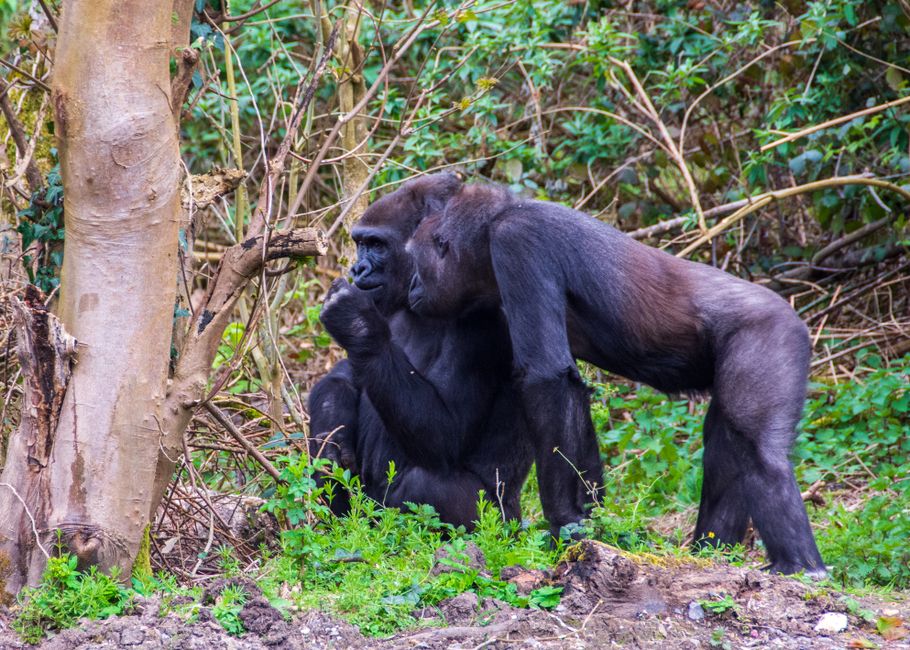
Where gorillas tend to be: feeding zones and sleeping areas
Gorillas use predictable areas within their range, but they still shift between feeding and resting. In a trekking context, your guiding team is trying to find the correct section of habitat where a habituated group is likely to be moving or foraging.
Because the forest floor can be damp and visibility changes with light and rainfall, gorilla tracking often becomes a balance between patience and direction. You may see signs before you see animals, and the last part of the trek can involve careful stepping to avoid slipping while keeping your group quiet enough for the guide to detect any response from gorillas.
Track length, weather, and group rules
Rainforest weather changes the day quickly. After heavy rain, trails can become slick, and muddy ground can slow movement and increase the risk of injury. Dense mist also affects whether you can maintain visual contact at all times.
Your guide will set the rules on how far you can go once gorillas are located, how you behave when animals are close, and how long you remain in the viewing area. Follow instructions closely. In gorilla trekking, your job is to minimize stress: keep noise low, avoid crowding, and never try to intercept movement.
Practical start-point options: where your trek begins
Most gorilla treks begin at a briefing point associated with your camp or nearby access area. From there, the team typically moves to the day’s trailhead using short transfers when possible, then begins walking with a ranger who leads on the basis of the latest sign.
Start points can vary by itinerary. Some safari days start in the morning with a longer walk into a sector where signs are freshest. Other plans include a shorter lead-in followed by careful tracking for most of the trek. Your safest option is to confirm the intended start timing and transfer style in advance: how you’ll get to the trailhead, what kind of ground you’ll cover, and whether the team expects a long day.
If visibility is poor or signs are weak, the team may adjust the sector rather than pushing forward. That’s normal and often improves animal welfare because it reduces unnecessary searching pressure.
Safety, Wildlife Welfare, and Community Respect in Dense Forest

Maintain distance and avoid forcing sightings
With both forest elephants and gorillas, the goal is observation with minimal interference. That means respecting the ranger’s distance guidelines, staying in the approved viewing position, and not trying to close the gap for a better photo. In thick vegetation, “just one more step” can quickly become unwanted disturbance.
For elephants, stay calm and give space. If you hear agitation or see signs of stress, follow the guide’s instructions immediately. For gorillas, keep the group calm and avoid sudden movements; habituated groups still need predictable, low-stress conditions.
Move carefully: terrain hazards are real in the rainforest
Safety in rainforest travel isn’t only about wildlife. It’s also about the ground you step on, the insects around you, and your personal health.
Follow guidance on footwear and movement. Expect slippery patches, concealed roots, and uneven leaf-litter that hides wet holes or steep banks. Walking in a tight group matters because it limits distractions and helps guides track who is where.
Respect local people and follow cultural protocols
A rainforest safari is not only about animals; it’s also about land stewardship and community relationships. Your guide should explain local guidelines for how visitors move through areas used by nearby communities, how to behave at village boundaries, and what interactions are appropriate.
A respectful safari includes listening, asking before photographing people, and accepting “no” without arguing. When you follow community protocols and park rules, you protect both wildlife and the people who share the forest.
Planning for Success: Seasons, Logistics, and Flexible Expectations
Choose timing that matches tracking realities
Instead of chasing a single “perfect month,” think in terms of conditions that affect tracking. Rain can change trail readability and walking speed. High humidity can increase fatigue, while reduced daylight under cloud cover can shorten safe viewing windows.
For rainforest safaris targeting forest elephants and gorillas, steadier planning often comes from choosing a trip window where you can comfortably handle rain and still stay alert and quiet during tracking. If your itinerary allows, build in buffer time so that a revised sector or rerouted trek doesn’t feel like a failure.
Practical start-point planning: travel to camp and day-to-day access
Logistics often begin with getting to the nearest airstrip or regional gateway, then continuing by transfer to your camp, whether by vehicle and short road sections, boat connections, or a combination. The exact route depends on your operator’s approach and seasonal conditions.
When planning, ask your team what “day start” means in practice: your briefing time, whether the day begins at camp or with a transfer, and what kind of ground you’ll cover from the moment you leave. Reliable planning also includes understanding how your elephant and gorilla schedules may overlap, so you’re not exhausted before the key track.
For travellers arranging dates and accommodation around fixed transfer windows, Booking.com can be a useful tool to cross-check availability before matching your final safari dates with the park’s operating rhythms.
Make the most of limited sightlines with the right mindset
In Nouabale-Ndoki, “best areas” work because they increase the chances of encountering signs that lead to animals. That may look like more listening and tracking and less scanning for distant bodies in the canopy.
To match wildlife expectations to rainforest conditions, focus on three things: follow your guide’s plan rather than trying to out-guess the forest, keep movement slow and quiet once you’re in the tracking zone, and accept that short sightings can still be meaningful if they are respectful and well-managed.
Overall, the best forest elephant and gorilla safari planning comes from treating the rainforest as an active, changing environment. Start each day with clear guidance on where you’re headed and how tracking works, prioritize ranger-defined rules for safety and welfare, and stay flexible if conditions require changing sectors. By following these… you’ll improve both your own experience and the quality of wildlife viewing in Nouabale-Ndoki National Park.
Leave a Reply