
If you're planning an Omo Valley culture safari, you might be wondering how to balance village visits with real wildlife time in a way that respects people and wildlife. This guide explains how to combine O’Furs and Karo cultural days with responsible viewing in Ethiopia’s Mago National Park, with practical advice on permits, community interaction, and safe scheduling.
You’ll also see how to structure your days so culture doesn’t feel like a rushed “checklist” and wildlife time doesn’t get squeezed into the last hours of the trip. Done well, this kind of itinerary lets you learn from communities while still experiencing the purpose of a safari: patient, ethical observation in the right habitats.
Understanding the Omo Valley Culture Safari And Mago Link
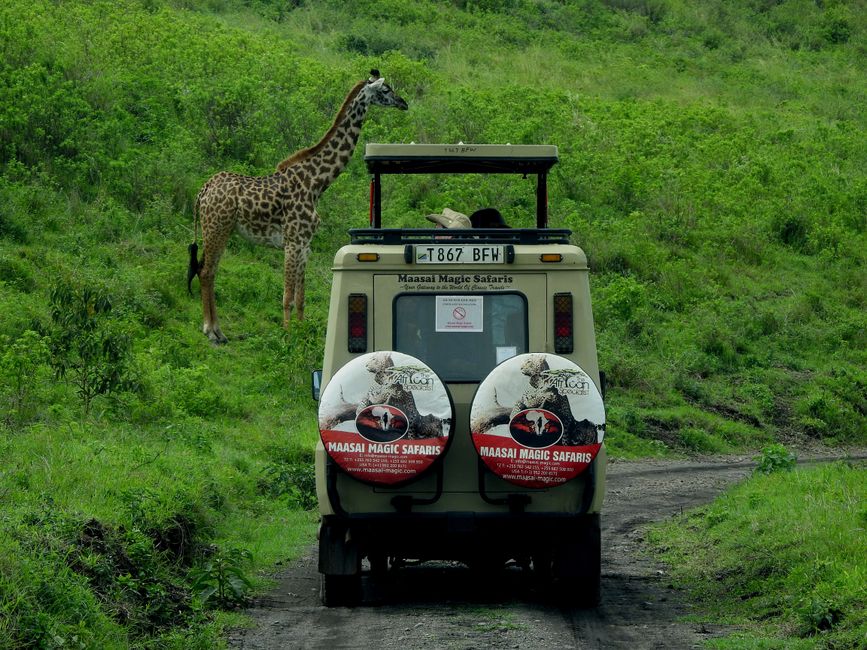
Why pair culture days with a safari mindset
A responsible Omo Valley itinerary works best when culture and wildlife are treated as two parts of the same relationship-based travel experience. Village visits are not simply sightseeing; they involve consent, local timing, and community priorities. Wildlife viewing, meanwhile, depends on remaining present in the landscape—giving animals space and allowing your guide to read the day’s conditions.
When culture days are planned with a safari mindset, you build in downtime for travel, scanning, and rest. You also reduce the temptation to “speed through” interactions just to reach the next drive.
Where Mago National Park fits geographically
Mago National Park sits in Ethiopia’s Southern Nations, Nationalities, and Peoples’ Region, within the Omo River region. That geography matters because it shapes how your group moves: road time, river-basin conditions, and changing light can all affect both village schedules and wildlife drive windows.
In practice, most itineraries plan culture visits in nearby areas and then shift to Mago for wildlife-focused drives and, where available and permitted, walking or viewpoint time with an experienced local guide.
Setting expectations for pace and continuity
Some travellers assume wildlife will be “constant action.” In reality, savannah and riverine ecosystems often reward patience: slower drives, quiet periods, and frequent stops to observe tracks and behaviour.
A good culture-and-safari plan therefore includes continuity. Instead of bouncing every few hours between locations, aim for a rhythm—such as a village morning and a calmer wildlife afternoon, or a wildlife-focused early start followed by a culture day when community activities are underway.
Permits, Local Permissions, And Responsible Planning

Permits and official access requirements
Ethiopia’s Southern Omo region involves regulated access for both conservation areas and certain community visits. That usually means more than just booking accommodation: your itinerary should be arranged through a guide or operator who understands the required permissions for the park route and the areas where cultural visits occur.
Rather than relying on assumptions, confirm with your operator before departure what will be needed in your exact itinerary: park entry and any related logistics, plus the process for community access. If anything is unclear, ask how permissions are handled and who holds the local authorisations.
Ethical community interaction with the O’Furs and Karo
Respectful cultural travel starts before you arrive. When you visit O’Furs or Karo communities, approach with the mindset that your role is a guest, not a customer. Ask in advance how photos are managed, whether there are times when photography is discouraged, and what community etiquette applies.
It also helps to avoid “performative” requests. If your guide suggests a particular arrangement, check that it’s genuinely aligned with local routines and consent, rather than a staged experience designed for outsiders.
Linking culture and wildlife without harm
A responsible itinerary protects both sides. Culture days should not be scheduled in a way that pressures families into spending hours entertaining visitors. Wildlife days should not be rushed in a way that encourages unsafe driving or disruptive vehicle stops.
A practical way to link the two is to build buffer time between activities. Travel segments, briefing time, and rest periods reduce stress for everyone—especially you, since tired travellers tend to make poorer decisions in the field.
Wildlife Time In Mago National Park: How To See More Responsibly

Choose wildlife viewing formats that match conditions
Mago National Park is all about habitat. The best results come from combining different viewing formats as the day allows: vehicle-based drives for covering ground, and additional short stops for scanning, tracking, and quiet observation.
If your itinerary includes walking time, make sure it’s only where permitted and only led by a guide with strong local knowledge. Walking can increase your sense of connection to the landscape, but it also raises the need for careful safety rules and strict noise discipline.
Read the landscape, not just the clock
Wildlife viewing quality improves when you follow your guide’s pace and priorities. Early morning and late afternoon often bring calmer temperatures and better light for spotting movement. That said, some of the most meaningful wildlife sightings happen when a guide pauses for a reason—fresh tracks, bird activity, or signs near a watercourse.
Give yourself permission to stay longer. If a group is constantly relocating, it becomes difficult to observe behaviour, and it’s easier to accidentally block sightlines or approach too closely.
Photography and observation ethics
For wildlife photos, the ethical basics are simple: keep a respectful distance, avoid sudden gestures, and do not try to “steer” animals for a shot. Your goal should be to document behaviour without interfering.
If the group uses phones or cameras, silence notifications. Keep lens caps on when moving and avoid shining lights at night when guides recommend darkness for wildlife safety.
Safety and Respect: Villages And Wildlife Together
On-the-ground etiquette in O’Furs and Karo areas
Safety begins with behaviour around people. In village settings, follow your guide’s instructions on where you can stand, when it’s appropriate to ask questions, and how long visits should last.
Avoid touching people or personal items unless it’s explicitly invited. Be mindful with children: asking permission first and stepping back quickly if someone seems uncomfortable is part of respectful travel.
Wildlife safety rules that keep animals and people protected
Wildlife viewing safety is not only about avoiding physical danger; it’s also about preventing stress to animals. Common-sense practices keep your whole group safer and help the wildlife remain relaxed.
Stick to your vehicle boundaries where applicable, keep voices low, and never pressure an animal to move. If a guide indicates that conditions are changing—dust, visibility, animal movement, or wind direction—listen and reposition appropriately rather than improvising.
Health, water, and practical risk management
In remote areas, plan for the realities of travel: long drives, limited facilities, and variable weather. Bring a simple first-aid kit, stay hydrated, and use sun protection throughout both culture and wildlife days.
If you’re sensitive to travel timing, don’t schedule culture and wildlife back-to-back without rest. Fatigue can affect concentration during drives and reduce patience during village interactions.
Making It Work: A Responsible Itinerary Rhythm
Example day flow that links culture and wildlife
A practical structure often looks like this: start with a culture activity when the community’s daily routine is active, then shift to Mago later with enough daylight to settle in before wildlife time begins. Another option is to do an early wildlife drive, return for breakfast and a slower morning, then visit the next community area after midday.
The exact sequence should follow local guidance. The aim is to avoid making anyone feel like the day is constantly “running out.” When schedules are flexible, you’re more likely to stay respectful—whether that’s giving time to conversations or allowing wildlife encounters to unfold naturally.
Questions to ask before you go
Use the pre-trip stage to reduce risk and misunderstandings. Ask how permissions are arranged for Mago National Park, how community visits are authorised for O’Furs and Karo areas, and how photography and personal boundaries are managed.
Also ask what happens if weather changes. If the day’s conditions affect wildlife visibility or road safety, will the itinerary adapt in consultation with the local guide? Responsible trips have contingency plans that protect both people and wildlife.
A quick note on booking via platforms
If you use Viator to look at available Ethiopia itineraries, treat it as a starting point for options rather than proof of ethical practice; confirm who your local guide is and how permissions and community consent are handled for your exact O’Furs and Karo visits.
Overall, the best Omo Valley culture safari combines respectful, permission-led community interaction with wildlife time that’s paced for observation rather than rushing. If you plan buffers, confirm access requirements, follow your guide’s etiquette, and keep a calm distance in the field, you’ll experience both culture and wildlife in a way that protects local relationships and supports conservation in Mago National Park.
Leave a Reply