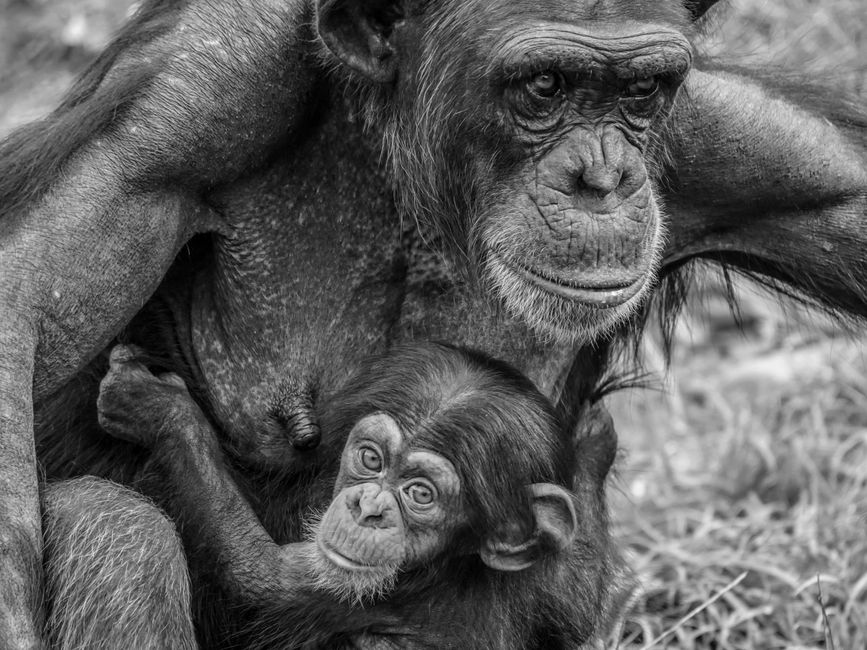
If you’re planning a safari trip, you might be wondering how to plan a Mahale Mountains chimpanzee trekking safari in Tanzania.
This guide walks you through the essentials: how permits and trek logistics work, when the best chances for chimp sightings tend to line up, and the common Kigoma-to-lodge transfer flow so you arrive rested and ready.
Along the way, you’ll also find practical advice to protect the chimps’ wellbeing and keep your group safe on the trail and around wildlife.
Permit and Trek Logistics for Mahale

Understanding how trekking permits are organised
Mahale Mountains National Park protects a well-known chimpanzee community, and chimp treks are typically run under strict ranger guidance. In most cases, chimp tracking is not a “walk in and go” activity. Instead, you’ll need a confirmed trek arrangement tied to the park’s daily/operational scheduling. That confirmation may come through the lodge you’re staying at or through a tour operator package, but the underlying requirement is the same: you need access granted for that trekking day.
To plan properly, treat your trek date as the anchor. Your flights, lodge nights, and any buffer day should work around the chimp trek rather than the other way around.
What to do before you reach the trail
Even when a lodge handles the paperwork, it helps to be organised. Expect to provide identification details (commonly your passport name and number) and to follow the park’s on-the-day procedures. It’s also wise to ask your lodge or organiser exactly what time you’ll be expected at the briefing point, because chimp treks often start early to make the most of daylight and to keep ranger schedules on track.
From a practical standpoint, also plan for “full day” energy. A chimp trek can start out with an alert, exciting buzz, but it often depends on where the chimps travel and how quickly you cover changing terrain. The hike itself can be vigorous, and waiting time before contact is possible.
Build a realistic day-by-day schedule
A smooth Mahale itinerary usually includes:
- At least one night close to your trek start so you are not rushed.
- A clear arrival plan for the day before trekking, including a realistic buffer for weather and transport timing.
- A flexible mindset: chimps decide the pace, not the itinerary.
If your schedule is tight, consider adding one extra night in the area. It’s a simple way to protect the experience when conditions are less cooperative than expected.
Best Season for Chimp Sightings and Comfortable Trekking

When visibility and trails tend to feel easier
For Mahale and the Lake Tanganyika shoreline region, seasonal patterns affect trekking comfort more than they change chimp presence entirely. In general, drier months (often around June to October) tend to mean firmer ground and easier footing, which can make the trek more manageable. During wetter months (often roughly November to April), trails can become muddy and slippery, and rain can also reduce visibility.
That said, chimpanzees are moving animals, so “best season” usually means “best overall conditions for a good trek and viewing session,” not a guaranteed location or time.
How ranger timing and chimp movement shape your odds
Your best chances of seeing chimps during trekking are tied to how the park team locates them and how the group is positioned. Chimps may feed, travel, or pause out of view, and their movement can shift the timing of the day.
Rather than trying to outguess nature, focus on being ready when the opportunity appears. A calm group, following ranger instructions, and having the right equipment within easy reach can make the difference between a stressed scramble and a rewarding viewing experience.
Weather, daylight, and how to adjust your expectations
In heavier rain or overcast conditions, trails can slow down and visibility for photography can drop. In hotter, brighter conditions, hydration and rest become more important.
Use the season to set expectations for pace and comfort:
- If it’s drier: expect easier hiking but still stay alert for uneven ground.
- If it’s wetter: expect slower going and plan for more time on the trail.
- In any season: remember that chimps may not be visible immediately, even after the first signs.
The best planning mindset is “prepared for any pace,” because chimp trekking is one of those experiences where timing is partly shared with wildlife.
The Common Kigoma-to-Lodge Transfer Flow

Typical arrival into Kigoma
Most travellers reach the Kigoma area first because it’s the gateway town for exploring Mahale and the Lake Tanganyika side of western Tanzania. From there, the last section to Mahale is usually done by a combination of land transfer and lake transport, depending on the lodge location and current operational routes.
If you’re planning flights, it can be helpful to search broadly for routing options around Kigoma, then align the rest of your trip to the arrival time. Aviasales can be a practical way to compare flight routes when building your timetable.
How the travel often connects: land legs and lake time
A common flow looks like this:
- Arrival in the Kigoma area.
- Transfer from town to your lodge’s departure point.
- Lake crossing by boat to the lodge area.
- Evening settling in and an early start for the trek day.
The exact sequence can vary based on lodge logistics, weather, and operational scheduling. Because Lake Tanganyika conditions can change, it’s smart to confirm transfer timing with your lodge rather than relying only on general travel assumptions.
Timing and buffer days that protect your trek
Many safari plans fail at the edges—arrivals that are too tight, boat transfers scheduled with no room for weather delays, or trek days set with insufficient recovery time. To plan well:
- Arrive at least a day before your chimp trek if possible.
- Treat the boat crossing as a variable, not a fixed guarantee.
- Ask your lodge what time you should be ready for departure on transfer days.
You’ll enjoy the trek more when you arrive rested, and you’ll stay safer when you’re not rushing to meet ranger schedules.
On the Mountain: How the Chimp Trek Experience Unfolds
Briefing with rangers and finding the group
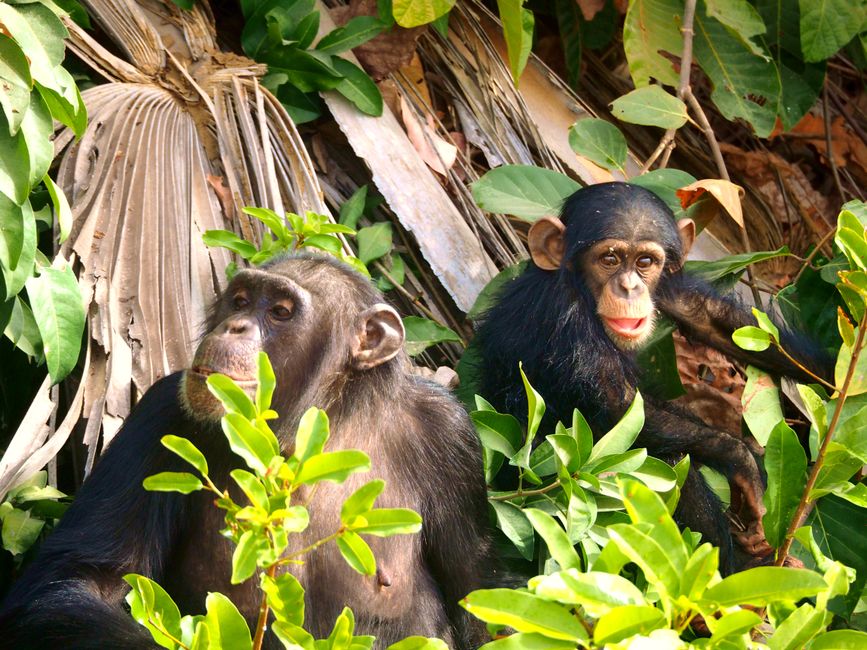
Chimp trekking in Mahale is ranger-led. After briefing, the group sets off with a focus on locating the chimp community through signs and ranger tracking. The trekking pace can change quickly, sometimes moving steadily through forest paths and sometimes pausing as chimps are identified, observed at a distance, or shift location.
A key planning point is to be physically ready for uneven ground. Even if the trek distance changes day to day, the terrain can be demanding.
What good chimp viewing feels like
Once chimps are found, the experience becomes about patience and distance. Good viewing generally means:
- The group stays calm and quiet.
- You follow the ranger’s positioning guidance.
- You avoid crowding or rushing forward, even when the sighting is exciting.
As you watch, remember that chimp behaviour is not “for you.” They may ignore the group, move out of view, or continue feeding while you observe.
Photography and note-taking without disrupting
Photography can be part of the joy, but it should never take priority over welfare. Keep noise to a minimum, avoid sudden movements, and follow ranger instructions on where you can position yourself.
If you want usable photos, plan for practicalities: steady footing, weather protection for your gear, and the understanding that chimps may not pose. In many cases, the best images come from staying composed and letting the moments unfold rather than forcing a particular shot.
Respect, Safety, and Conservation-Minded Trekking
Wildlife welfare: distance, silence, and restraint
Chimpanzees are wild, and trekking rules exist because close contact can be stressful for animals and risky for visitors. The basic principle is to respect distance and avoid behaviours that can be interpreted as threatening.
This means staying within ranger-set boundaries, not attempting to attract the chimps, and not stepping into areas that feel tempting. Even if a chimp appears curious, you should treat that interest as unpredictable rather than an invitation.
In practical terms, welfare-focused trekking is about restraint: your job is to observe, not to interact.
Health and safety basics on the trail
Safety isn’t only about slipping on mud. It also includes health and group management. If you’re unwell (fever, cough, or stomach illness), it’s best to speak to your organiser before trekking, because you may need to consider whether participation is appropriate.
On-trail safety also comes from simple habits:
- Wear supportive footwear for uneven forest paths.
- Keep hands and shared items organised to minimise unnecessary contact.
- Stay with your guide/ranger group and avoid wandering.
If anything feels unclear during the trek—where to stand, how close you should get, or when to move—ask the ranger. Rushing decisions in the forest can create avoidable risk.
Supporting conservation through responsible choices
Mahale’s chimpanzee trekking operates within a conservation context, and your actions contribute to how well that system works. By following ranger guidance, respecting limits, and avoiding behaviours that disturb habitat, you help reduce stress on wildlife.
Just as importantly, choose travel arrangements that support local operations. When a lodge and its guides coordinate permits and logistics responsibly, it helps the protection work function smoothly behind the scenes.
Overall, the best way to plan a Mahale Mountains chimpanzee trekking safari is to anchor your dates around permits, choose a season that suits your comfort on the trail, and build a calm transfer timetable from Kigoma with enough buffer for lake and weather realities. With that foundation, you can focus on what matters most: safe, respectful chimp viewing in a place where both you and the chimps benefit from good planning and disciplined behaviour.
Leave a Reply