
If you're planning a safari trip, you might be wondering how you can make your experience more sustainable.
That mindset matters in Garamba National Park in DR Congo, where conservation goals, wildlife protection, and community wellbeing sit at the centre of the experience. This guide walks you through planning a safari for wildlife viewing and the reality of northern white rhino opportunities, with practical advice on access, permitting, security, and what a typical day in the field looks like.
Garamba is not a “turn up and see everything” destination. Instead, it rewards careful preparation, flexible expectations, and a welfare-first approach that keeps animals calm and protects park operations.
Garamba at a Glance: Habitat, Wildlife, and Rhino Reality
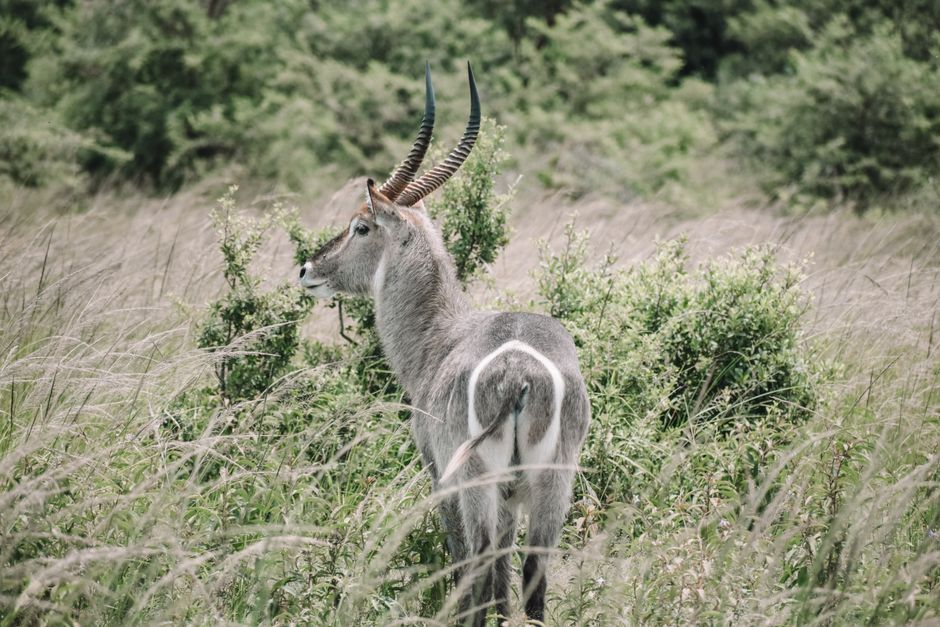
Where Garamba is and what the landscape offers
Garamba National Park sits in northeastern DR Congo, part of a wider savanna and woodland ecosystem where seasonal conditions shape wildlife movement and where you spend most of your time outdoors. The terrain and vegetation influence how vehicles travel, how far sound carries, and how often you’ll need to pause to let animals settle.
For wildlife-focused safaris, this matters because your best sightings usually come from informed guiding rather than guarantees. Expect that tracks, group size, and recent ranger notes can be just as useful as luck.
What northern white rhino viewing looks like today
Northern white rhinos are the most searched-for animal connected to Garamba, but planning for viewing requires honesty. The northern white rhino has faced severe declines, and sightings in the wild are not something you should count on.
In practice, this means:
- A Garamba itinerary may be framed around the conservation story of the northern white rhino, including ranger-led work and habitat protection.
- Your ability to see northern white rhinos depends entirely on access to specific, time-limited conservation arrangements, and that access can be extremely restricted.
The most responsible way to plan is to treat any northern white rhino viewing as conditional and confirmation-based. Before booking, ask your operator what is actually included in your dates: whether you will be visiting a dedicated site, meeting conservation staff, and what the realistic chance of observing a live northern white rhino is during your window.
Wildlife highlights beyond the rhino
Even without guaranteed northern white rhino sightings, Garamba can be rewarding for wildlife travellers. In many itineraries, you can reasonably hope for large mammals typical of savanna systems, including elephants and giraffes, along with a variety of antelope species and predators that may be encountered depending on the season and where ranger teams guide you.
Your guiding team should explain which areas are producing sightings at the time of year you travel, what time of day is most productive, and how long you may stay with an animal before moving on.
Permits, Access, and Security Planning in the DRC
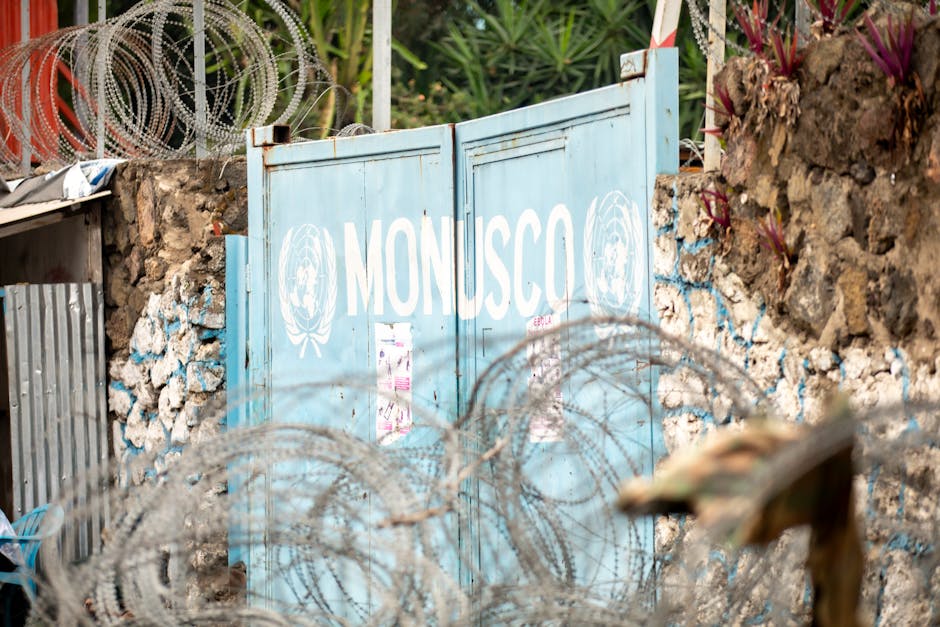
How permits and park access are typically arranged
Visiting DR Congo’s protected areas requires planning paperwork in advance. For Garamba, park entry and guiding arrangements are usually handled through a licensed local partner or conservation-linked operator who can coordinate with park authorities.
Key documents and approvals can include:
- A visa and entry permissions for DR Congo.
- Park access authorization arranged via the appropriate conservation authority.
- Any special permits required for photography, research-style activities, or group logistics.
Because requirements can change and processing can take time, plan well ahead and allow for delays.
Getting there: flights, airstrips, and ground transfers
There is rarely a single simple route into a remote national park. In Garamba’s case, the practical reality is that most trips involve a combination of international or regional flights to a hub, then onward movement by domestic flight or charter to the closest airstrip that fits your itinerary, followed by secure ground transfer.
Ground travel can be slow due to road conditions and checkpoints, and it may be altered by weather, seasonal drainage, or operational decisions by the teams on the ground. The best planning approach is to build buffer time and avoid locking yourself into inflexible connections.
Instead of trying to map a “DIY route” on your own, work with an operator who can explain:
- Where you land and why that airstrip is used.
- How transfers are timed to daylight.
- What happens if a flight is delayed or cancelled.
Security realities and working with trusted operators
Northeastern DR Congo includes areas where security conditions can fluctuate. That does not mean travel is impossible, but it does mean the safari must be designed around safety and contingency planning.
Your operator should provide clear details on how the trip is supported, including ranger coordination, transport arrangements, and communications. You should also check current travel advisories issued by your home government close to departure and follow any guidance given.
On the ground, security can affect:
- Whether certain tracks are used.
- Which hours are best for travel.
- Whether your itinerary is shortened, paused, or rerouted.
A responsible operator will treat these as normal operational factors, not as reasons to rush through wildlife viewing.
Designing Your Itinerary: A Realistic Day on the Ground
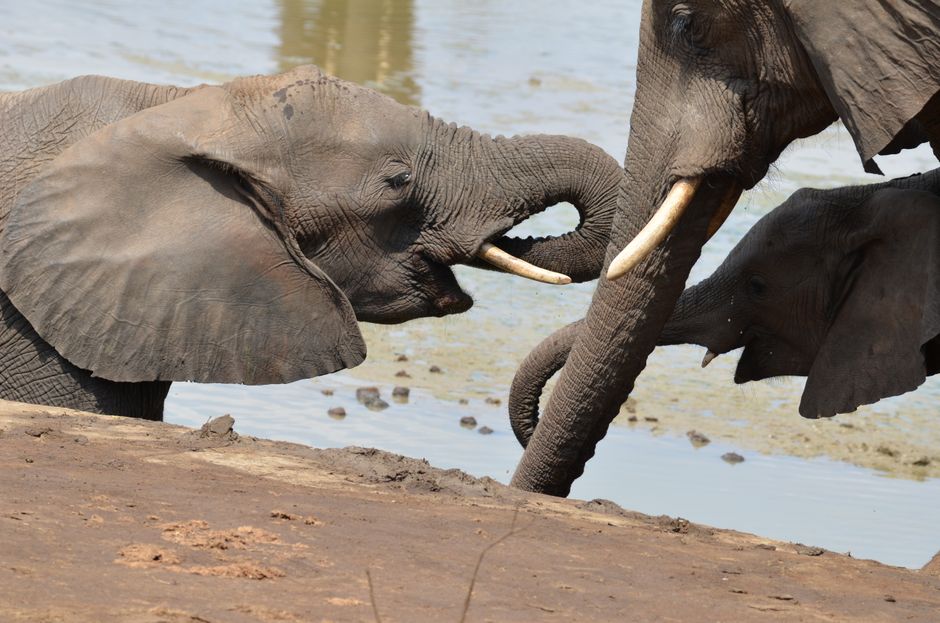
Typical morning to evening flow
A practical Garamba wildlife day often starts early, when animals are active and temperatures are more comfortable for both people and vehicles. Morning time usually focuses on driving and scanning, with stops that allow you to observe without crowding.
As the day warms, guiding may shift to areas where animals are likely to water, graze, or rest in shade. Late afternoon and early evening can become productive again, especially for spotting animals moving between feeding areas.
Your schedule should include time for rest and planning. Even when sightings happen, the guiding team may pause to reassess before moving closer. That restraint is part of welfare-first wildlife viewing.
How rhino-focused time is scheduled (when it’s available)
If your goal includes northern white rhino viewing, your itinerary should clearly explain what “rhino-focused” actually means for the day.
In many cases, it looks more like structured conservation time than a standard game drive. That may involve scheduled viewing windows if access is possible, ranger briefings, or time allocated to conservation staff tasks that visitors can observe under strict supervision.
If northern white rhino access is not part of your specific dates, the day should still be designed for meaningful wildlife viewing rather than disappointment. Ask your operator how the alternative plan is adjusted so that your mornings and evenings remain productive.
Flexibility: weather, logistics, and alternate wildlife routes
Remote park operations must adapt quickly. Rain can change visibility, increase track damage, and affect water availability. Vehicle recovery times and ranger communications can also shift your plan.
A realistic safari day therefore has two components:
- A planned route based on ranger intelligence.
- A decision process for changing course when conditions or safety require it.
The best itineraries make space for this flexibility. If a trip is marketed with rigid promises of specific animal sightings, it may not reflect how the park actually works.
Respectful Wildlife Viewing and Welfare-First Ethics

Distance, noise, and vehicle etiquette
Welfare-first wildlife viewing starts before the vehicle stops. Rangers and guides should manage your approach so animals are not startled, and so you do not block movement paths.
As you view wildlife:
- Keep engines steady and avoid sudden accelerations or aggressive repositioning.
- Use quiet observation rather than calling out, whistling, or trying to “herd” animals into view.
- Follow ranger instructions on where to stop and when to move on.
If animals show signs of stress, the correct response is to increase distance and allow space, even if you would prefer a better view.
Photo and video behaviour near sensitive wildlife
Cameras can be part of respectful viewing when they support distance and patience. They become harmful when they encourage closer approaches, rapid movements, or repeated attempts to force a subject to react.
A good rule of thumb is to keep the animal’s behaviour in charge. If the animal changes direction, pauses feeding, or looks tense, your best action is to stop moving, reduce noise, and allow recovery time.
For rhino-linked conservation or any extremely sensitive wildlife areas, follow strict instructions on where you may stand, what angles are permitted, and whether flash, drone use, or extended filming is allowed.
Community and conservation support: what to look for
In Garamba, conservation is not separate from people. Community wellbeing, local employment, and long-term park protection are part of what makes wildlife viewing possible at all.
When evaluating an operator or lodge, look for practical signs of conservation-minded operations:
- Clear ranger-led guiding and wildlife protocols.
- Transparent support for park management and conservation staff.
- Respect for local community relationships rather than extractive tourism behaviour.
If the trip includes any community visits or cultural components, keep expectations respectful and ask how photography should be handled. Do not treat people as part of a photo backdrop.
Seasonal Timing and Making the Most of Your Safari
Best seasons for visibility and driving conditions
Season strongly affects your experience in Garamba. Rain can reduce visibility, make some routes harder to navigate, and influence where animals spend time between water sources. Drier periods can mean more accessible tracks, but wildlife distribution can shift with water and forage availability.
Because the park’s conditions change year to year, the most useful planning approach is to ask your operator what recent ranger records show for your travel dates. A competent guide will explain how the season you’re travelling in affects:
- Typical driving times.
- The likely areas to focus on.
- How quickly sightings can be found on most days.
What to pack and how to prepare without adding pressure on wildlife
Packing for Garamba is not only about comfort; it’s about reducing disruptions in the bush environment. Lightweight layers, sun protection, and reliable footwear are important, but so are items that support calm operations.
Keep wildlife ethics in mind when preparing:
- Bring binoculars and a long lens if you use one, so you can stay back.
- Avoid bright clothing patterns that draw attention in mixed lighting.
- Plan for personal hygiene in a way that respects park rules and minimizes waste.
Your operator should confirm any lodge or camp guidance on clothing, insect protection, and activity timings.
Questions to ask before you book
A high-quality Garamba safari plan is built on clarity. Use these questions to reduce uncertainty about both rhino viewing and day-to-day operations.
- What is the exact plan for northern white rhino opportunities during my dates?
- Which permits will be arranged, and who coordinates with park authorities?
- How does the trip handle security changes, delays, or rerouting?
- What does a typical full day look like in the areas we will visit?
Overall, the best Garamba safaris combine responsible wildlife viewing with realistic expectations. If your plan is built around ranger guidance, safety-led flexibility, and a welfare-first approach, you are much more likely to enjoy meaningful wildlife time in the DRC while supporting the conservation work that protects Garamba’s future.
Leave a Reply