
If you're planning a Kidepo Valley National Park safari, you might be wondering how to plan routes, sightings, and park access.
This guide helps you choose the best time to go, estimate typical daily drive times from nearby gateways, map a route that matches how Kidepo is laid out, and arrange the right kind of guiding for remote sightings, all while keeping wildlife welfare and local community respect front and centre.
Kidepo is remote, so “perfect” itineraries depend on real road conditions, seasonal track access, and how early you can start each day. With a bit of planning, you can still build an itinerary that feels both adventurous and manageable.
When to Go and How to Choose a Trip Length

Season basics: why timing matters in Kidepo
Kidepo Valley National Park is highly seasonal. The dry months typically bring easier tracking and clearer roads, and wildlife tends to concentrate around reliable water sources. As the rains increase, tracks can become slower and some areas may be harder to reach, but vegetation also changes the way animals move and feed.
For a first visit, many travellers aim for the drier period because it improves both visibility and the chances of repeat sightings across a few days.
Trip length that matches the distances
Because Kidepo is far from most major airports and sits in a remote corner of Uganda, short safaris can feel rushed. A good balance is a multi-day itinerary that includes at least one “flex day” for route changes based on sightings and conditions.
If time is limited, focus on one side of the park more deeply rather than trying to do everything. If you have longer, plan a loop that lets you revisit key areas at different times of day.
Setting realistic expectations for daily pacing
In Kidepo, the time you spend looking for wildlife often matters more than the time you spend “covering distance.” Start early, drive when visibility is best, and leave room for longer stops when animals appear.
Rather than planning back-to-back long drives every day, structure your itinerary so that one day supports scouting and settling in, and another day prioritises longer game drive sessions.
Getting There: Gates, Routes and Typical Drive Times
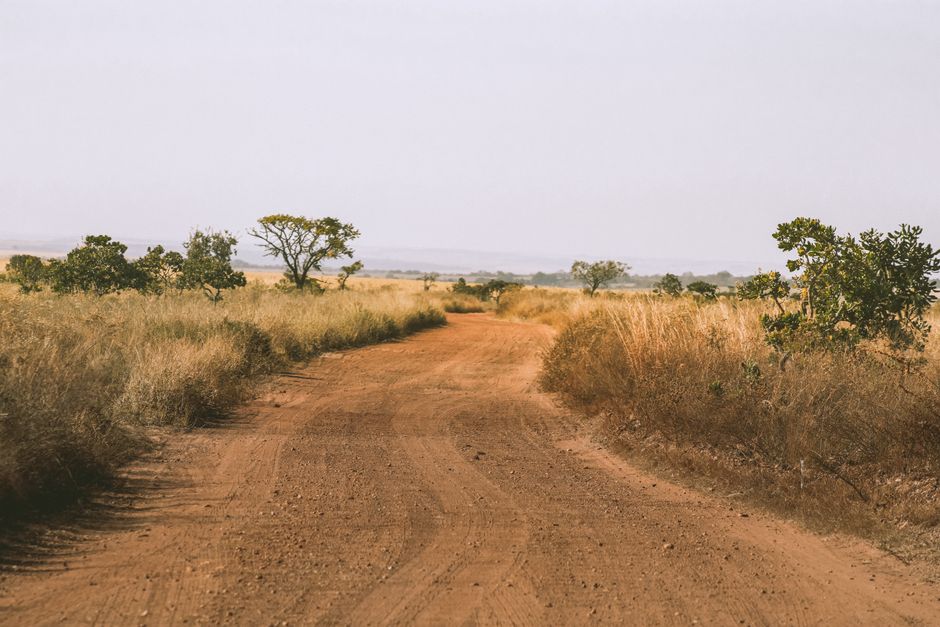
Common gateways and what to expect on the road
Most Kidepo safaris route through the northern Ugandan side, with Arua often serving as a practical gateway for reaching the park region. From Arua, travellers commonly plan a full day for the road up to the park area, especially if the final approach involves slower stretches and time for checks.
If starting from Kampala, expect a long overland journey with multiple breaks and a slower final approach. Even when the “straight-line” distance looks reasonable, road conditions and border/permit steps can stretch a schedule.
A helpful rule is to plan shorter, manageable driving blocks (with time buffers) and avoid forcing a day that ends in darkness. Kidepo’s remote roads can be unpredictable, and wildlife is not constrained to daylight.
Choosing your approach: north-side vs south-side days
Kidepo is often approached as two practical “sides”: the Narus Valley region on the drier, open side of the landscape, and the Apoka area toward the southern and eastern reaches. Your itinerary should decide whether you want to begin with Narus-based mornings or Apoka-based afternoons.
Once you commit to a side for a day, you’ll typically get better mileage by staying focused rather than constantly switching areas mid-route.
Vehicle and access planning for the last kilometres
The final access to remote viewpoints and tracks depends on road firmness, recent rain, and your vehicle’s clearance. In practice, guides and park staff may adjust routes to keep you safe and to minimise disturbance.
If you want the flexibility to go off the main tracks for specific sightings, confirm ahead of time what kind of vehicle your guide uses and how that matches the seasonal conditions.
If you’re comparing accommodation options near your gateway before entering the park, Booking.com can be useful for checking availability and distance.
A Practical Itinerary Template for Kidepo Valley

Core planning method: mornings for movement, afternoons for water
A successful Kidepo itinerary tends to follow a simple rhythm. Early mornings are often ideal for scanning open savannah and edges where animals feed and cross. Afternoons can shift the hunt toward water-dependent movement, especially when temperatures rise.
Plan your route so that the driving you do supports how wildlife actually behaves, not how a map looks.
Route-building “zones” that shape your day
Use these core areas as building blocks. Your guide can tailor the order based on sightings, weather, and track conditions.
- Narus Valley: open savannah outlooks and steady scanning
- Apoka area: water-linked routes and varied terrain
- Kidepo Valley rim tracks: viewpoints for landscape-wide searching
- Morungole hills viewpoints: higher ground for spotting movement
Sample itinerary ideas (adaptable, not rigid)
For a four-day safari, a common approach is to start with one side strongly (for example, Narus Valley mornings), then spend one day linking areas while maintaining a relaxed pace, and finish with a day focused on water-dependent sightings.
For five to six days, consider a loop that revisits at least one key zone on a different day. Wildlife patterns can change between days, and revisiting supports both learning the landscape and improving the odds of repeat sightings.
If you have a full week, build in at least one slower day for track scouting and ranger-led support. This is often when “unexpected” sightings show up, because your route is shaped by what the guide observes rather than a strict checklist.
Routes for Sightings: Where to Spend Your Mornings and Afternoons

Morning scanning: open country plus quiet edges
In the morning, you can usually cover longer sighting distances while the light is helpful and animals are more actively feeding. Spend time scanning open areas, then focus on the quiet edges where animals transition between grazing and cover.
Your best results come from combining patience with strategy: consistent scanning, fewer unnecessary stops, and enough time to let animals emerge after you arrive at a viewpoint.
Midday choices: shorter drives, smarter stops
Midday can reduce movement for some species, but it often reveals other behaviour. Instead of forcing long drives, plan shorter routes with longer, calmer stops.
If the day is hot or visibility is hazy, shift your attention to animals sheltering in shade, along rocky lines, or near thicker vegetation. Your guide can also look for signs such as fresh tracks and feeding cues.
Signature species to target in your route
Kidepo’s predator-prey dynamics are part of the appeal. These are among the species travellers commonly build their day around:
- African lion
- cheetah
- African elephant
- giraffe
- Uganda kob
- ostrich
When these species appear, let your guide manage distance and angles. Even when sightings are thrilling, your priority is keeping vehicle movement controlled, giving animals space, and avoiding crowding at natural movement points.
Booking Guides and Viewing Responsibly in Remote Areas
How to book a guide for remote sightings
For remote areas within Kidepo, guide choice matters as much as route planning. Aim for an experienced driver-guide who knows how seasonal track access changes and who communicates clearly about where you’re going and why.
When arranging your safari, request a specific style of support: time for scouting, willingness to slow down for sign-reading, and clear plans for how you’ll pursue sightings without pressure on animals.
In many cases, the easiest way to book the right person is to coordinate through your accommodation or safari operator before entry, then confirm details with your guide on the first day. If you prefer to organise transport and packages separately, Viator can sometimes help locate pre-arranged safari days, but remote viewing still works best when the guide is locally active and fully briefed.
Safety and welfare rules that keep wildlife wild
Responsible viewing is not only ethical; it’s practical. Keep the vehicle positioned so it doesn’t block escape routes, avoid revving or sudden accelerations around animals, and minimise time spent chasing movement.
For any close-range sighting, follow the guide’s cues. If animals change direction repeatedly or appear tense, that’s a sign to back off and reassess the approach distance.
Respect for communities and park access procedures
Kidepo’s remoteness means your visit intersects with local livelihoods and park management. Make sure you understand what access points you can use, where you must stop for briefings, and how ranger or staff support is organised.
If your route includes walking opportunities or ranger-led track movement, treat it as a privilege that requires discipline: stay with the guide, keep a calm pace, and respect any “no go” areas that protect breeding habitat or sensitive zones.
Overall, the best Kidepo Valley itinerary is the one that stays flexible while still giving you structure: pick the season that suits your viewing goals, plan driving in realistic daily blocks, build your route around the park’s practical sides, and book a skilled local guide who can manage remote sightings responsibly. By combining smart timing with calm, ethical viewing habits, you’ll get more wildlife moments and a safari that feels both adventurous and respectful.
Leave a Reply