If you're a birding enthusiast, then you know that Africa is a paradise for birdwatching. If you’re planning a Sahara safari in Morocco for fennec foxes and desert birds, this guide walks you through what to target, where to base yourself, and how to do it in a way that protects wildlife and respects local communities.
You’ll also get practical camp-selection criteria for low light pollution, clear rules for respectful night viewing, and realistic transfer options to reach the right desert trailheads without wasting precious hours.
Because the Sahara rewards patience, planning matters. A good itinerary balances day birding windows, safe night practices, and the quiet conditions that animals need to behave naturally.
Start With Your Targets and Habitat Choices
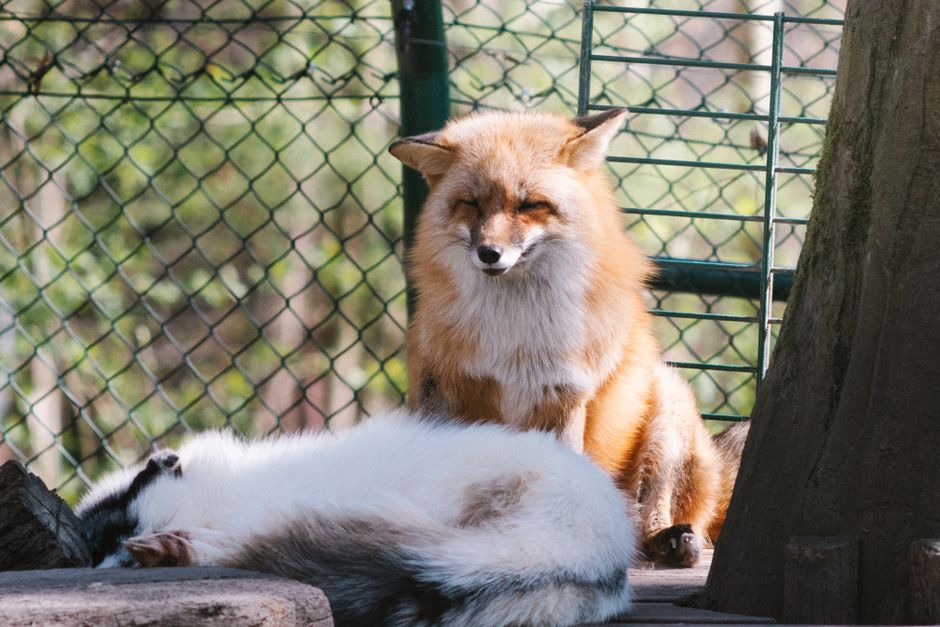
A respectful approach helps both you and the foxes. That means avoiding any strategy that pressures animals to come closer, and instead creating steady, calm conditions where they can choose whether to approach.
Desert birds you can realistically look for
Desert birding often works best when you focus on species that tolerate arid landscapes and can be detected through both sight and sound in open terrain. The species below are commonly searched for on Morocco Sahara trips, especially around dune systems and nearby habitats:
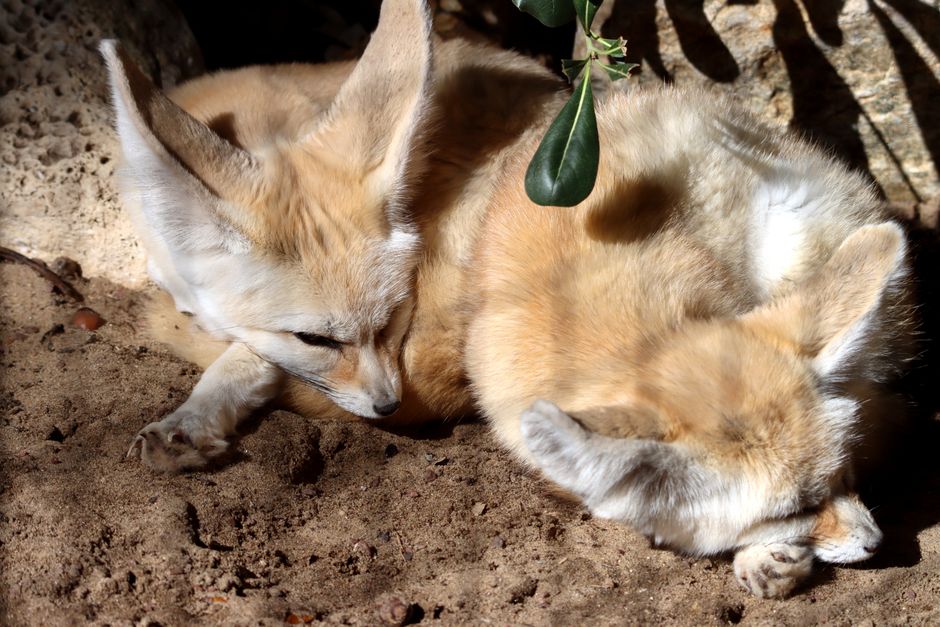
- Fennec fox (Vulpes zerda)
- Sandgrouse (Pterocles spp.)
- Desert lark (Ammomanes deserti)
- Wheatears (Oenanthe spp.)
Bird activity can be patchy depending on heat, wind, and water availability nearby, but these targets give you a clear framework for planning your field time.
Dunes vs oasis edges: where birding and wildlife differ
In the Sahara, habitat type shapes what you see. Open dune country may offer broad visibility for birds and clear night skies for observation, while oasis edges can concentrate food and water-dependent activity. For fennec foxes, suitable shelter and quiet ground cover matter; for birding, you’ll usually get better results when you combine open sightlines (for scanning) with short, controlled walks or guided stops (for listening).
Choose the Right Desert Region and Camp Setup

- Erg Chebbi (Merzouga) dunes
- Merzouga village camp areas
- Erg Chigaga dunes (M’Hamid area)
- M’Hamid district camps
If the priority is both fennec foxes and desert birding, the best plan usually combines: a camp that’s close enough for early starts, routes that allow short wildlife-friendly walks, and night skies that aren’t spoiled by constant light.
Camp-selection criteria for low light pollution
Low light pollution is one of the biggest upgrades you can make for both fox viewing and birding. Bright headlamps, floodlights, and constantly lit pathways don’t just reduce star visibility; they can also change how nocturnal wildlife behaves.
When evaluating camps, ask (or observe during your visit) for these signals:
- Lighting policy: do they keep lighting minimal after sunset and switch to dim, directional lamps near tents only when necessary?
- Light direction and shielding: are lights pointed downward and fully shielded to avoid sky glow?
- Dark-sky layout: are tents spaced so there’s no continuous strip of light between them?
- Guide practice: will your guide use low-glare lighting for night checks and safety, rather than shining beams around?
A camp that takes darkness seriously often gives you steadier night conditions, which helps fennec foxes feel comfortable and helps you see subtle animal movement.
Respectful night viewing: what “good behaviour” looks like
Night wildlife viewing is not about chasing. It’s about presence, timing, and restraint.
Use these principles when planning your night session:
- Stay off the “hot spots” too early: arrive after your group has settled and the area is quiet.
- Avoid sudden spotlighting: if light is needed for footing or safety, keep it brief and low-glare.
- Keep distance and give the animal an exit route: fennec foxes may approach, pause, and leave quickly—don’t block paths.
If the guide wants to move toward animals to “get a better look,” pause and refocus on calm observation instead. Clear, consistent behaviour is the best way to encourage natural sightings.
Plan the Route and Transfers to Your Desert Trailheads

For example, routes to dune regions near Merzouga and routes to the M’Hamid area are usually different in distance and road profile. A good planning approach is to choose your region first, then match the transfer style and departure time to the wildlife schedule rather than to convenience alone.
Practical options for getting there without stress
A smooth transfer matters for wildlife too: arriving calm, well rested, and on schedule helps you keep noise and movement down when you reach camp.
Common practical approaches include:
- Private vehicle transfers: faster and more controllable, helpful if you have specific viewing windows.
- Shared transfers/coach + local connection: often cheaper and more flexible, but require careful coordination.
- 4x4 or desert-ready vehicle for final approach: often necessary for trailheads and dune edges depending on the route.
If you’re coordinating end-to-end logistics across different pickup points, GetTransfer can help when you need pre-arranged road transport between city areas and the start of the desert journey.
Trailhead timing: protect your day and your night
When you reach the trailhead, the next decisions shape your entire safari.
Ask your guide for a clear plan that includes:
- When you’ll start birding (so you can take advantage of calmer, more detectable periods)
- How long you’ll be on foot (for both safety and minimal disturbance)
- When night observation will begin (after camp has quieted down and lighting is controlled)
A well-paced itinerary reduces the temptation to rush at dusk or to use bright lights to “make up time.” It also keeps wildlife interactions more natural.
Use Smart Techniques for Day Birding and Night Fox Watching
Try this field rhythm:
- Scan for movement first: many desert birds show up as slight shifts against sand and sky.
- Listen while you scan: calls can guide your eyes toward activity you wouldn’t see immediately.
- Use short, purposeful stops: moving in a controlled way helps avoid unnecessary disturbance.
A guide who knows local routes can also help you choose stop points where birds are more likely to be active.
Night fox viewing: observe without pushing behaviour
For fennec foxes, the priority is that they choose their own comfort level.
During night viewing:
- Keep your group compact and quiet, with a clear understanding of where everyone will stand.
- Limit light to what’s necessary, using low-glare sources and covering beams when shifting position.
- Avoid crowding toward the fox: if it pauses, let it do the thinking.
If you don’t see foxes during your first night session, treat it as part of the planning. Repeat observation on a later night with the same calm approach, rather than changing tactics that increase disturbance.
Safety first: footing, heat recovery, and responsible spacing
Night in the desert can feel colder than daytime, and sand can be uneven. Your guide’s job is to balance access with safety; your job is to follow instructions without improvising.
Practical safety habits include staying together, using stable footing, and respecting any limits around dunes or areas near camp. Also remember that fennec viewing is about animal welfare, so the safest behaviour is usually the most respectful behaviour.
Protect Wildlife, Reduce Impact, and Make Your Safari Work Long-Term
Keep light and sound low, every time
Even with a dark camp, your behaviour influences the night environment.
To protect wildlife:
- Use only essential lighting and keep it directed and minimal.
- Keep voices and group movement calm so animals can hunt and settle naturally.
- Avoid repeated “approach attempts” if an animal is visible at a distance.
This is especially important when fennec foxes are active, because frequent changes in light and sound can make them retreat or stop hunting.
Leave no trace in arid landscapes
The Sahara is resilient, but it’s not indestructible. Footprints, litter, and unmanaged waste affect habitats and local livelihoods.
Make sure your camp follows responsible waste handling and that you’re careful with personal items. If there’s any uncertainty, ask your guide what to do with wrappers, tissues, and any other small waste items so nothing gets left behind.
Water and hygiene also matter. Use what’s allocated, avoid washing into sand where it can alter small habitat conditions, and follow camp guidance for disposal.
Work with local guides and communities
A desert safari is more than a wildlife checklist. It’s also a cultural encounter and an opportunity to support the people who manage access, guide movements, and protect the area’s character.
Look for operators who:
- Brief your group on respectful behaviour before any night session.
- Encourage quiet observation rather than forced closeness.
- Share clear safety rules and stick to low-impact movement.
When your planning supports responsible guiding practices, you’re helping ensure desert wildlife viewing stays sustainable for the next travellers and for the communities who live alongside the dunes.
Overall, the best Sahara safari for fennec foxes and desert birding comes down to three planning decisions: choose a region and camp that prioritise darkness, schedule your day and night sessions so you can observe calmly without rushing, and use transfer planning that gets you to trailheads on time and in good condition. When light, movement, and timing are handled thoughtfully, your chances of rewarding sightings rise while your impact stays low.
Leave a Reply