
If you're planning a safari trip, you might be wondering how you can make your experience more sustainable.
This guide shows you how to manage water and waste at remote camps in Namibia with a plastic-free mindset, including what to ask lodges before you arrive and which packing swaps make long drives easier.
You’ll also get straightforward, on-the-ground routines that protect wildlife, reduce litter risk, and respect local facilities—because sustainability on safari is as much about behaviour as it is about the products you bring.
Why Plastic-Free Planning Matters for Remote Namibia Camps
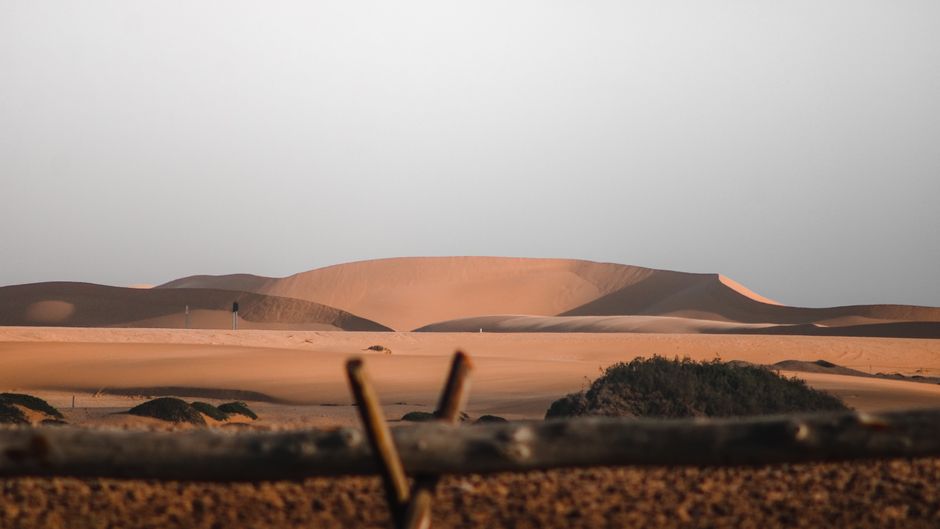
Water is your limiting resource
In much of Namibia, distances are long and water availability can be tightly managed. Even when camps look “comfortable,” water often has to be stored, treated, or delivered. That means your daily choices matter: how long you shower, how often you rinse, and where you pour greywater.
A plastic-free approach helps here because it nudges you toward reusable systems (refillable containers, measured soap, and smarter storage) rather than relying on lots of disposable bottles and sachets.
Waste doesn’t disappear in the bush
Litter is not only an aesthetic issue. In remote areas, waste collection and transport are limited, and packaging can easily become a hazard for wildlife or a burden for the community that has to manage it later.
Plastic-free planning reduces the amount of rubbish you generate, but it also helps you handle what remains—by separating waste correctly and keeping refuse contained until the camp can dispose of it properly.
“Plastic-free” still needs practical rules
A fully plastic-free trip is challenging, especially for transport and food. The workable goal is to cut the common single-use items you can control: bottled water, flimsy plastic bags, disposable cutlery, and unnecessary packaging.
Then follow camp instructions for the items you cannot eliminate, including how to handle sanitation waste and where to take recycling or non-recyclables.
Where Water and Waste Planning Changes in Namibia

Choose your planning mindset by region
Not all safari regions in Namibia feel the same when it comes to water and waste management. For example, planning will often be more strict around remote, dry landscapes where camps rely on careful water use.
Useful anchors for planning include:
- Etosha National Park
- Namib-Naukluft National Park
- Skeleton Coast National Park
- Waterberg Plateau Park
Each has different landscapes and trip rhythms, but the core principle is consistent: treat water and waste systems as part of your itinerary, not an afterthought.
Road conditions affect what you generate
Long drives and bumpy tracks can make spills more likely and make it harder to keep waste contained. If you’re changing vehicles, moving between lodges, or doing multiple day trips, plan for extra storage in your vehicle (for empties, wrappers, and tissues) and a clear routine for stopping safely and hygienically.
Timing influences facilities and access
Seasons can affect how often you travel off-road, how dusty it becomes, and how comfortable it is to refill and wash up. In wetter months, some tracks can be slower to travel or temporarily limited; in drier months, dust management becomes a priority.
Whatever the season, confirm your camp’s daily water routine, toilet facilities, and waste handling policies in advance so you’re not improvising once you’re far from services.
What to Ask Lodges Before You Arrive

Clarify refill points and drinking water options
Start with water. Even when a camp says it offers “safe drinking water,” the details matter for a plastic-free plan—how you refill, where you refill, and whether you can return to the same point on drive days.
Ask about bag policies, recycling, and what “pack-out” means
Different camps handle different waste streams. Some may provide bins and sorting; others may consolidate and transport waste in bulk. Ask directly, so you know what to separate and what must stay packed until collection.
Use these questions before you arrive:
- Where are the water refill points (and are they accessible on drive days)?
- Do you provide reusable water dispensers, or do guests refill their own containers?
- Are you able to accept recycling on-site (cardboard, glass, cans), and how should it be prepared?
- What is your policy on bags—do you require specific liners or do you bring/pack out waste yourselves?
- How should visitors handle non-recyclable waste and food scraps during activities away from camp?
- For sanitation on game drives or bush walks, what facilities are used and where does waste go?
Confirm how waste is handled away from camp
Many safaris include scenic stops, sunrise walks, or long drives where you generate waste outside the main camp area. Ask what happens to your rubbish then: where you should keep it, whether the guide collects it, and when it’s returned for disposal.
If a lodge expects you to “pack it in, pack it out,” treat it as part of the safari discipline. That also helps protect wildlife by preventing windblown litter and accidental disposal.
Also, when researching camps and routes, using Booking.com can help you compare which places clearly mention water options and waste policies in their descriptions.
How to Manage Water and Waste On the Ground

Use a simple daily water routine
A plastic-free plan is easier when it’s built around repeatable habits. Consider making water use predictable:
- Refill before you leave camp, not after.
- Measure handwashing and face washing; keep a small amount of water in a container while you soap and scrub.
- Keep showers short and follow camp guidance on greywater.
If you’re doing multiple game drives, plan “water checkpoints” so the day doesn’t end with last-minute bottle purchases or improvised disposal.
Keep waste contained, then sorted correctly
Even the best sorting plan fails if rubbish becomes mixed and hard to manage. Aim to keep items separated from the moment you open them.
If the camp has a sorting system, follow it exactly. If it doesn’t, ask what categories they can manage, then keep yours consistent until you return to camp.
A practical approach is to separate into three streams until the camp can take over:
- Recyclables (only what the camp confirms it can accept)
- Non-recyclables (everything else)
- Food-soiled items and tissues (handled according to camp rules)
Protect sanitation and avoid harming local systems
Sanitation is both a wildlife protection issue and a community respect issue. Always use designated facilities. Avoid pouring soaps, disinfectants, or greywater into the environment.
If you’re on bush walks or outings where facilities are not available, confirm the accepted method ahead of time. In many remote areas, camps provide special systems or specific instructions for waste handling; follow them closely rather than improvising. That protects wildlife, keeps camps cleaner, and reduces the burden on staff.
Safety matters too: if bins or disposal points are limited, don’t store waste for long periods in hot conditions where smells attract animals. Ask your lodge where you can temporarily store refuse until it’s collected.
Packing Swaps for Long Drives and Less Waste
Build a “refill-first” water setup
The easiest plastic win is to stop buying bottled water repeatedly. Instead, bring refillable containers that fit your vehicle and can handle rough travel.
When choosing containers, prioritise:
- A secure lid (no leaks during bumpy roads)
- Easy cleaning
- Labels or colour coding so containers don’t get mixed
Also plan for times when you may not be refilling immediately—carry enough capacity for your day, then top up at the scheduled refill point.
Replace disposables with reusable, packable alternatives
For long drives, the goal is fewer single-use items and less mess to manage later. Packing swaps should be robust enough for dust, heat, and quick stops.
Consider swapping these common items:
- Replace disposable plastic water bottles with refillable containers or a durable canister
- Swap plastic-wrapped snacks for portioned items in reusable tubs or reusable snack bags
- Choose a reusable cutlery set and sturdy travel mug instead of single-use utensils and cups
- Bring a compact cloth for wiping hands and surfaces rather than using lots of wet wipes
- Use a sealed toiletries pouch with decanted products (where allowed) instead of many small plastic sachets
- Carry a dedicated waste kit (small, lidded container(s) or strong liners) for empties and wrappers
Keep your waste plan visible in the vehicle
Long drives make it tempting to throw wrappers into any convenient space. Make waste management automatic: designate one area in the vehicle for rubbish, keep it lidded or contained, and empty it when you stop at approved places or once you return to camp.
If you’re using liners or bags, don’t over-pack so they tear easily in heat. The simplest rule is to store waste securely, so you never end up searching for a safe way to discard it later.
Finally, remember that a plastic-free plan should not come at the cost of hygiene or safety. If hands need to be cleaned before eating, bring an approach that works without creating extra litter, and follow camp guidance on any washing water and disposal.
Overall, plastic-free safari planning in Namibia is about preparing your water routine, aligning with each lodge’s refill and waste systems, and packing smarter for long drives. By following these practical steps—asking the right questions before you arrive, keeping waste contained and sorted, and choosing refillable, reusable swaps—you’ll reduce plastic and protect both wildlife and the people who look after remote camps.
Leave a Reply