
If you're planning a safari trip, you might be wondering how you can make your experience more sustainable.
Responsible planning includes protecting your health and finances in places where help can be delayed. For gorilla and chimpanzee treks in Uganda and Rwanda, the right travel insurance can make a serious difference, from emergency medical evacuation to reducing stress during trip disruptions.
This guide walks you through a practical safari travel insurance checklist for primate trekking. You will focus on coverage you genuinely need, how to spot risky exclusions (including fitness and altitude-related wording), and what to ask about cashless hospital arrangements before you go.
Why Primate Trekking Insurance Needs to Be Special

Trekking is physical, remote, and time-sensitive
Gorilla and chimp treks involve long drives, early starts, and extended time on foot, often over uneven ground. Injuries can happen quickly, and getting appropriate medical care may require more than a short ambulance ride.
That is why primate trekking insurance should treat medical evacuation and onward transport as primary benefits, not add-ons. It should also account for the reality that access to advanced hospitals may require coordination between guides, local teams, and emergency providers.
Match your policy to the type of trek you’re doing
Not all “adventure travel” policies handle primate trekking the same way. Some insurers require that you stay with a certified guide, follow park instructions, and keep to designated trek routes.
Before you buy, make sure your policy language clearly covers the activity you will do: guided treks in designated reserves, plus the practical movement between lodges, trailheads, and medical facilities.
Budgeting for peace of mind matters
Price is only one part of the decision. A cheaper policy with unclear terms can still leave you to pay upfront for emergency care, then wait for reimbursement. A slightly higher premium is often worth it if it includes stronger emergency support, better trip disruption cover, and a clearer path to care.
- Bwindi Impenetrable National Park (Uganda) — gorilla treks
- Mgahinga National Park (Uganda) — mountain gorilla treks
- Kibale National Park (Uganda) — chimpanzee treks
- Nyungwe Forest National Park (Rwanda) — chimpanzee treks
- Volcanoes National Park (Rwanda) — mountain gorilla treks
Core Coverage to Map Before You Buy
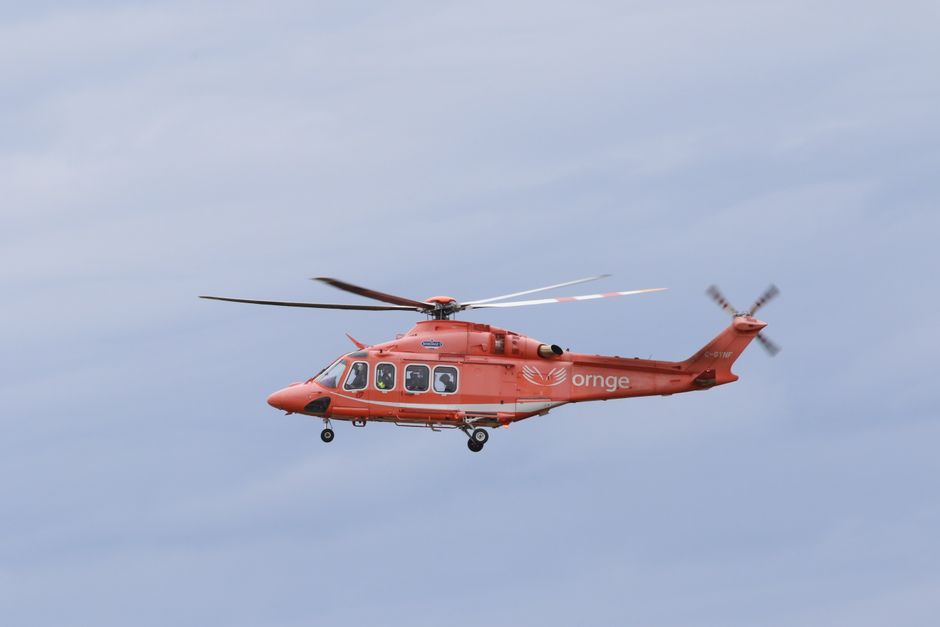
Medical evacuation and repatriation (the big one)
For gorilla and chimp treks, medical evacuation needs to cover more than “getting you out of danger.” Look for benefits that include:
- Emergency medical evacuation by the appropriate transport (often air evacuation in remote areas)
- Treatment until you can be stabilised
- Repatiation to your home country or to a suitable medical facility, depending on what your insurer recommends
Also check whether evacuation is limited to a fixed distance or region. If it is, your policy may not cover the actual route from your trek area to a hospital.
What to confirm when you call or email the insurer:
- Do they provide 24/7 emergency assistance?
- Who decides evacuation—your insurer, the medical team, or both?
- Is pre-approval required, and what happens if you cannot reach them immediately?
When evacuation procedures are unclear, the time you lose in an emergency is the biggest cost.
Trip disruption, cancellations, and itinerary changes
Primate trekking plans are affected by weather, vehicle conditions, and operational factors. If the start date shifts, you may face prepaid non-refundable costs such as permits, lodge nights, and transport segments.
Choose trip disruption and cancellation cover that addresses:
- Missed connections or disruptions that delay your arrival to trek start points
- Changes that prevent you from starting the trek at all
- Additional expenses for modified travel arrangements approved due to medical or safety reasons
Be careful with policies that only cover “cancellation” but not “interruption.” If your trek starts and something later prevents you from continuing, interruption cover is what can reduce financial loss.
Cashless hospital options and direct billing
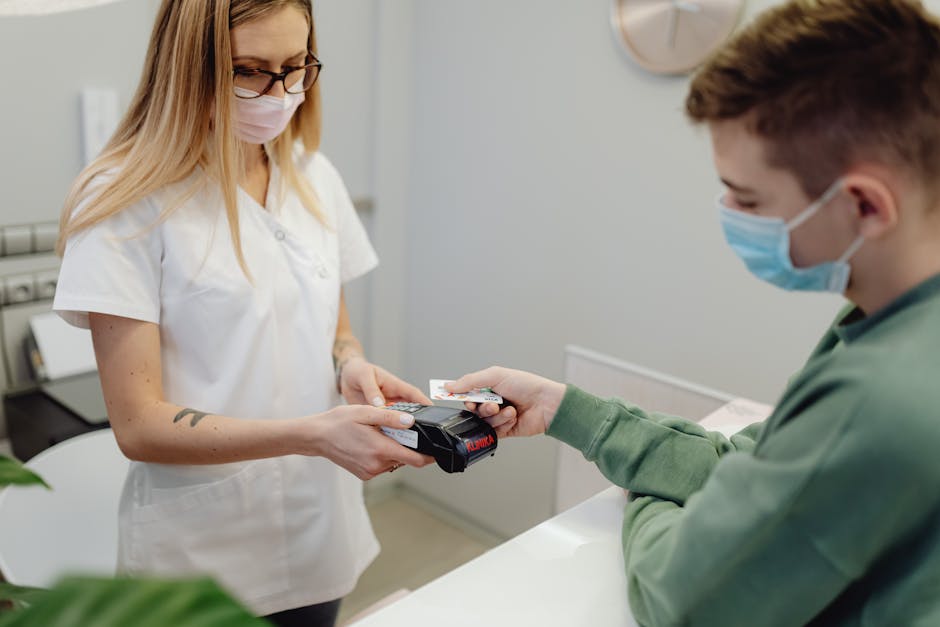
Cashless hospital support is about reducing the chance that you will pay large medical bills upfront while stressed or injured. In practice, cashless can mean direct billing with specific hospitals or a network provider.
Ask these questions before departure:
- Is cashless treatment available in Uganda and Rwanda, specifically for hospitals used during emergencies?
- If cashless is not available, will the insurer still arrange direct settlement, or does it require you to pay first and claim later?
- If you must pay upfront, does the policy reimburse quickly and with clear documentation requirements?
Even when cashless is offered, it can depend on how the emergency is handled. A policy that is willing to “reimburse later” might still be workable, but it should match your ability to carry emergency funds.
Exclusions That Commonly Affect Gorilla and Chimp Treks

Fitness, age, and “high-risk” activity wording
Some exclusions trigger because the activity is described in a particular way: “strenuous hiking,” “off-trail trekking,” “adventure sports,” or “dangerous activities.” For primate trekking, you may be technically safe when following guide instructions, but a policy could still deny a claim if the language is vague.
Ask the insurer how they classify guided wildlife treks and whether you are covered while:
- Walking for extended periods
- Navigating steep or muddy terrain
- Following a ranger/guide’s instructions
Also check any “fitness” or “ability” clauses. Policies sometimes exclude injuries caused when you did not meet a stated fitness requirement. If the policy asks for medical clearance for strenuous travel, it is better to understand this early than to discover it after a claim.
Pre-existing conditions and how they’re reviewed
Gorilla and chimp treks can involve exertion that brings underlying issues to the surface. Even if the cause of an incident is “new,” insurers often scrutinise whether pre-existing conditions played a role.
The practical approach is to:
- Disclose relevant conditions during underwriting
- Ask whether the policy covers flare-ups, or only accidents
- Understand how they treat medication-related complications
If you are unsure whether a condition is considered pre-existing, request clarification in writing. That can be the difference between a smooth approval and a prolonged dispute.
Altitude and medical triggers tied to effort
Even though gorilla and chimp treks are not typically “altitude sports,” elevation and changing weather can still affect how you feel, especially over long days. Some policies exclude altitude above a defined threshold, or exclude complications like altitude sickness.
In Uganda and Rwanda, trek areas can be at elevations that make weather and breathing feel different from coastal or low-lying regions. For insurance, the key is not guessing—it is reading the altitude wording.
Also consider “effort-trigger” exclusions. Some policies exclude claims related to cardiac strain or complications of existing conditions if the injury is linked to strenuous activity. If your plan includes walking for hours, ensure your policy does not automatically treat exertion as “uncovered risk.”
How to Verify Medical and Claim Processes Before Departure
Check the emergency contact and claim procedures in advance
A strong policy is only helpful if it is usable during stress. Confirm the process for:
- Reporting an incident quickly
- Getting approvals for evacuation or expensive treatment
- What the local guide should do first (for example, notifying the appropriate park/medical contact)
If your policy requires contacting the insurer before treatment, ask for practical guidance on what to do if there is no phone signal. A clear “fallback” process matters more than a vague promise.
Keep documentation that claim assessors will need
During a trek, the focus is safety. After an incident—or if a disruption happens—paperwork becomes essential for claims.
Keep a folder (digital and offline copies) with:
- Your insurance policy schedule and benefit limits
- Proof of trek payments and any trip bookings covered by the policy
- Medical reports and discharge summaries if you are treated
- Receipts for out-of-pocket expenses, including transport
- Any incident report prepared by guides or park staff
If an insurer asks for a “trip timeline,” having dates and confirmations ready prevents delays.
Consider app-supported organisation for quicker access to details
When travelling in remote areas, quick access to policy numbers, emergency contact details, and documentation can reduce confusion. Some travellers find it practical to organise claim information and essential documents in Ekta, especially when a trip needs fast retrieval of details during emergencies.
The goal is not to replace insurance assistance, but to make the right information available when decisions need to be made quickly.
Your Uganda and Rwanda Trek Insurance Checklist
Before you leave: confirm key clauses in writing
The smartest approach is to treat insurance purchasing like part of your trekking preparation. Before departure, request confirmation from the insurer (email is best) for the points most likely to affect primate trekking claims.
Focus your checklist on:
- Medical evacuation that matches remote coverage and includes repatriation or suitable transfer
- Trip disruption/interruption for delays, missed connections, and inability to start or continue the trek
- Cashless/direct billing arrangements or, if not available, a clear reimbursement process
- Activity coverage wording that includes guided primate treks over uneven terrain
- Exclusions tied to fitness, strenuous activity, altitude, and pre-existing conditions
If a clause is unclear, ask for plain-language confirmation of what is and is not covered during guided treks.
During treks: do what keeps you safe and protects the primates
Insurance does not replace safety and good practice. Follow the rules given by rangers and guides, keep to the agreed route, and do not attempt shortcuts. If you feel unwell, speak up early rather than pushing through; fatigue, dehydration, and exhaustion are common precursors to avoidable incidents.
For gorillas and chimps, respectful behaviour also supports conservation outcomes. Proper distance, quiet conduct, and adherence to viewing protocols reduce stress for the animals and help keep your group safe.
Aftercare: handle claims carefully and responsibly
If something goes wrong, prioritise care and stabilisation first. Once it is safe to do so, document what happened: times, locations, symptoms, and the steps taken by guides or medical teams.
For trip disruption claims, keep evidence of communications and changes to travel arrangements. If you cancelled or changed plans for medical reasons, ensure the insurer receives medical documentation that explains why the decision was necessary.
By following these steps, you can turn insurance from a last-minute checkbox into a clear safety net. The result is a policy that supports medical evacuation when time matters, helps reduce financial loss from disruptions, avoids unpleasant surprises from fitness or altitude exclusions, and makes it easier to access care through cashless or well-defined reimbursement pathways—so you can focus on a respectful, well-managed gorilla or chimpanzee trek in Uganda and Rwanda.
Leave a Reply