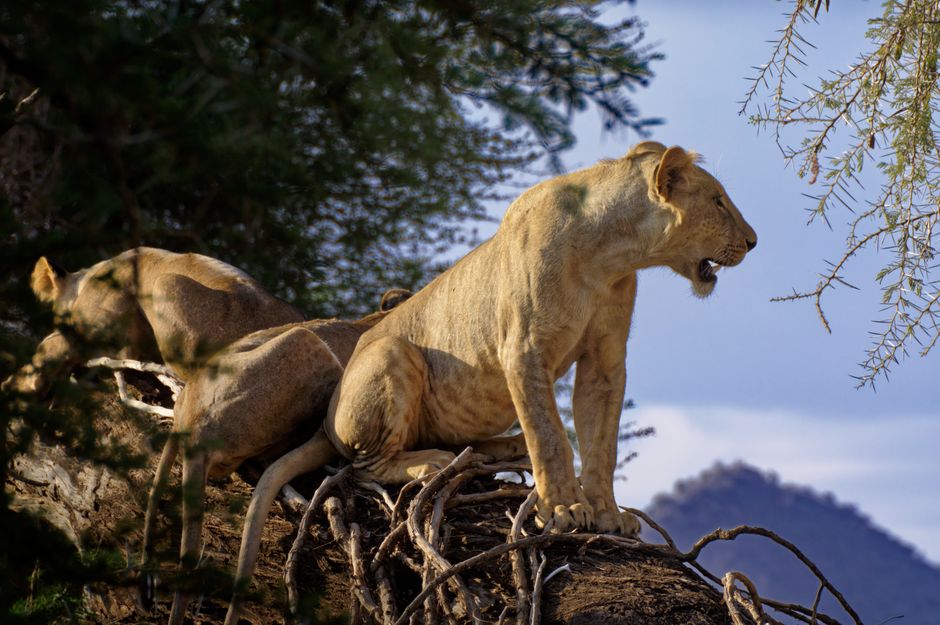
If you're planning a safari trip, you might be wondering how you can make your experience more sustainable. One of the best ways to do that is to choose an accommodation base that supports responsible wildlife viewing, shorter drives, and calmer interactions.
This guide helps you plan where to stay near Samburu National Reserve for riverine wildlife and lion-country safari days. You’ll learn what to look for in camp locations along the Ewaso Nyiro River, where the strongest game-drive areas are, and how to book early for dry-season sightings when demand is highest.
Base Along the Ewaso Nyiro River for Riverine Wildlife

Prioritise proximity to water and river habitats
Staying close to the Ewaso Nyiro River matters because riverine wildlife concentrates where food and water overlap. In practice, that means choosing camps with quick access to river corridors and the kind of habitats where animals move between open plains and thicker riparian growth.
Look for properties that are positioned for early departures. Even a short transfer can affect whether you arrive while animals are still actively feeding near the river. When the day starts early, guides can also time drives around animal movement, rather than forcing sightings late in the day.
Choose sightlines that support responsible viewing
A good location gives you views that don’t require crowding or stress. Aim for camps with shaded decks or viewing points facing likely animal routes, rather than places where you’ll constantly leave the vehicle or push for better angles.
If a camp encourages off-vehicle viewing, that’s a benefit only when it’s controlled: guided walks on sensible routes, clear boundaries around wildlife, and a strong emphasis on staying quiet and respectful when animals approach.
Lion-Country Safari Success Depends on Access and Road Time
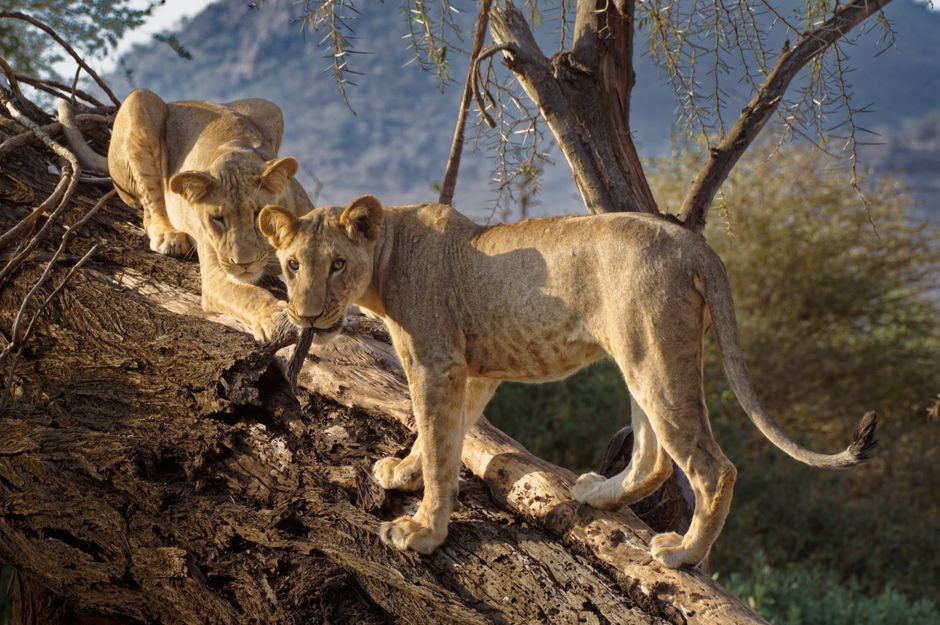
How location shapes lion sightings
Lion sightings often depend less on luck and more on how efficiently you can get to the right areas. For lion country around Samburu, your base should allow your day to include both morning and late-afternoon opportunities, with enough flexibility to adjust when prides are active.
When camps are too far from main viewing zones, you may lose the window when lions move between resting spots and hunt corridors. The best bases reduce this problem by keeping transfer times reasonable and by offering game-drive plans that aren’t overly compressed.
Ask about guiding style and vehicle discipline
Lion-country safaris can only be enjoyable when vehicles and guides maintain respectful distances and clear safety boundaries. During the day, you want a camp that supports the guiding team in moving calmly between sightings, avoiding unnecessary repositioning.
When you check details before booking, ask whether the property follows strict rules around staying on designated tracks, limiting vehicle numbers at sightings, and respecting how animals use space. That’s not just about safety for you; it also helps wildlife avoid stress and interruption.
Best Areas Near Samburu for Riverine Wildlife and Easy Drives

Samburu National Reserve: river-adjacent days and classic “Samburu specialties”
If you want the full mix of riverine habitats and the reserve’s signature species, Samburu National Reserve is the natural choice. Staying here keeps you close to the action and reduces the chance that your time goes to long road transfers instead of viewing.
This is also where you’ll most consistently hear and see evidence of river-linked activity: tracks, calls, and animals moving between open areas and water-dependent cover.
Buffalo Springs National Reserve: a strong option for varied terrain
Buffalo Springs National Reserve can be a smart base when you want easy access to different habitats within a short reach of your camp. The payoff is that your guides can adjust routes based on wind, light, and animal movement without you losing too much daylight.
For riverine wildlife planning, it’s especially valuable if your accommodation provides practical starting points for drives that link plains views with chances near the Ewaso Nyiro River corridor.
Shaba National Reserve: a complement to river-focused itineraries
Shaba National Reserve works well as a complementary base if you like to balance habitat types across the day. While many visitors focus on the river first, lion and predator sightings often benefit from covering a wider range of terrain, depending on where animals are active.
A Shaba-focused stay can support a routine where one drive prioritises river routes and the next covers adjacent open areas, giving you a steadier chance of both river-dependent wildlife and predators.
What you’ll likely be watching for
Along the Ewaso Nyiro River corridor and in the surrounding Samburu ecosystem, you’ll often be scanning for a mix of river-linked movement and the reserve’s best-known species:
- Grevy’s zebra
- Reticulated giraffe
- Gerenuk
- Somali ostrich
- Beisa oryx
- Lion
Camp Location Checklist for a Better, Kinder Safari

Look for practical “day-start” design
A camp’s layout should make early starts realistic, not exhausting. Prefer places where breakfast timing is clear, packing for a morning drive is straightforward, and staff can help you get on the road without cutting corners.
In river country, early timing can also affect animal welfare because drivers spend less time lingering in one spot late in the day. The calm approach is usually more effective: arrive, watch, and then move on when it makes sense.
Prioritise vehicle access and quiet boundaries
A camp may look ideal on a map but still be awkward operationally if the road to the property is difficult or if the vehicle entry is complicated. Ask about how game-drive vehicles access the lodge, how quickly transfers happen after pickup, and whether guides typically avoid disturbing wildlife around the camp area.
It also helps if the camp is careful about light and noise. In lion country, bright lights at night and frequent noise can make it harder for animals to settle nearby, especially along river routes where movement patterns can be steady.
Choose stays that support community and conservation
Responsible camps usually show it in small, consistent ways: respect for local staff, rules that protect wildlife from harassment, and a conservation mindset that goes beyond marketing. The best indicators are policies that prevent baiting, discourage off-road driving, and maintain clear guidance for guests.
If a camp is transparent about how it contributes to local livelihoods and conservation efforts, you can feel more confident that your stay is supporting the long-term survival of both wildlife and community life around the reserves.
Book Early for Dry-Season Game Drives (and Avoid Common Mistakes)
Understand why demand peaks
Dry season is when visibility improves and animals gather more predictably around water. That’s great for your safari goals, but it also means camps near the Samburu National Reserve and neighbouring river-linked areas can fill up quickly.
If you’re aiming for riverine wildlife and lion-country drives in the same trip, treat your accommodation as a core part of the itinerary rather than something to “sort out later.” The closer your travel dates are to peak demand, the more limited the best drive timing can become.
How to book: dates, flexibility, and drive plans
Start by deciding your target window for the dry season (often roughly July to October, with September commonly busy). Then work backward from what you want to see: riverine movement and predators both tend to reward morning and late-afternoon planning.
When comparing availability, check whether your booking supports an itinerary with at least two game drives per day on the best viewing days, rather than a schedule that leaves too little room for adjustments. Also confirm pickup times, whether drives include both early and late sessions, and how your guide handles sightings that develop unexpectedly.
In many cases, using Booking.com to check accommodation availability can help you spot which camps are already tight for your dates, before you confirm details directly with the lodge or operator.
Lock in the details that protect wildlife and improve your experience
Before finalising, ask questions that keep the safari both safe and ethical. Clarify whether your camp’s guiding team follows strict distance guidelines, avoids unnecessary repositioning, and maintains calm vehicle discipline at predator sightings.
It’s also worth asking how the team approaches riverfront wildlife specifically. A responsible guide will avoid crowding animals near water, keep movements predictable, and respect how quickly river-adjacent habitats can become sensitive once wildlife is alerted.
Overall, the best way to secure a great Samburu safari is to choose a base that reduces road time and supports river-focused viewing along the Ewaso Nyiro River corridor, then pair it with disciplined, early dry-season game drives. By following these…
Leave a Reply