
If you're planning a safari trip, you might be wondering how you can make your experience more sustainable. A well-run wildlife day in Selous (Nyerere) means less crowding, calmer decisions, and better timing.
This practical guide helps you plan an end-to-end Selous (Nyerere) River crossing viewing plus a boat safari, so you do not miss key wildlife moments. It covers where crossings tend to concentrate game, how boat safety briefings usually work, and how to coordinate guides and transfers to keep the whole day smooth.
Selous (Nyerere) National Park is vast, and river wildlife can be unpredictable. The goal is not to force a schedule; it is to build a plan that keeps your group in the right places at the right times, while respecting animal space and local rules.
1) Set your priorities before you reach the river

If your goal is “the most crossings possible,” you may accept a broader scan and fewer deep stops. If your goal is “high-quality viewing,” plan for fewer repositionings and give your guide time to assess tracks, browse lines, and fresh activity.
Let your guide lead the route choice
Because crossings are driven by water level, wind direction, and how animals feel about the bank, the best plan is the one your guide can flex. Ask your guide what patterns they expect on your specific day: which banks they have watched, whether they expect more drinking/feeding movement (which can start the crossing), and how long they think you should stay at each viewing point.
Avoid the temptation to treat river crossings like fixed showtimes. In Selous (Nyerere), the most reliable “timing” comes from being ready when the guide says activity is building.
Learn what “crossing concentration” looks like
Most crossings are more likely where the approach to the water is easy and the exit bank offers cover. You will generally see more movement:
- Along gently used river edges where animals can step down without a sudden scramble
- Near bends and sandbars where visibility lines up and groups can gather before moving across
- Where vegetation edges give a quick transition from concealment to open drinking space
Your guide should explain the reasoning for the chosen spot. If it sounds vague, it is fair to ask for specifics about what they expect animals to do there.
2) Timing a Selous (Nyerere) river crossing without rushing
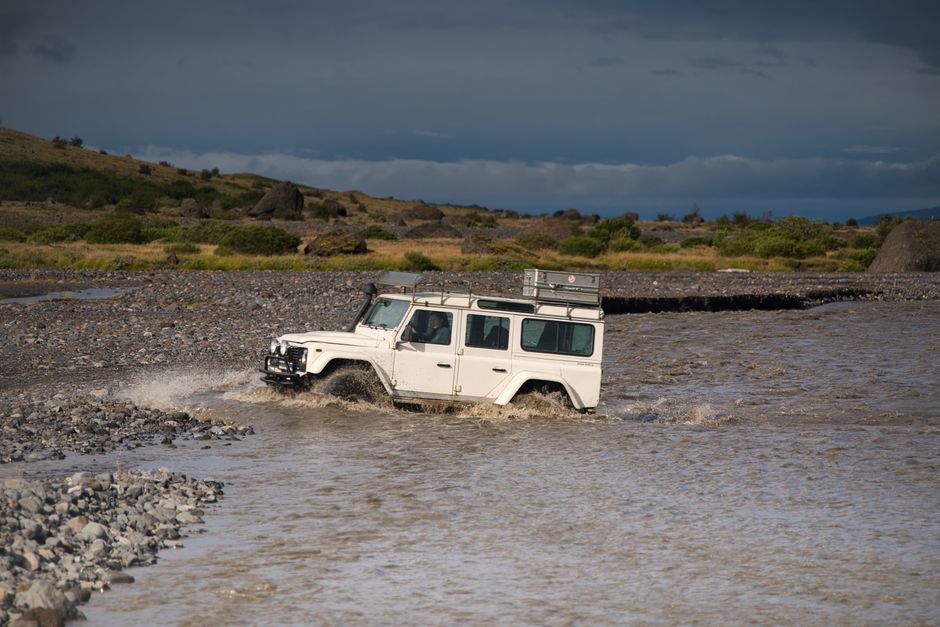
A useful end-to-end approach is to arrive early enough to settle in and observe for at least 45–60 minutes before the “likely” push begins. In many seasons, that means aiming to be in position in the early morning and again later in the afternoon, with a mid-day break if conditions are hot or visibility drops.
Think of the day in phases:
- Early window: expect approach activity, drinking, and first hesitant movements
- Peak window: higher chances of group movement and a full crossing
- Late window: returning animals often cross, sometimes in different directions
Plan for repositioning and decision points
Even with a solid window plan, you should build decision points. A common rhythm is to start at one viewing bank for long enough to confirm activity, then reposition if tracks and calls suggest the next movement is shifting.
Before you depart the lodge/camp, ask your guide how they decide “stay or move.” For example, they might reposition when they see multiple individuals commit to the bank-side approach, when a group forms, or when sound and scent carry activity away from your current angle.
Factor in season and river conditions
Seasonal variation affects everything from water clarity to how easily animals can approach banks. During higher or changing water, some exits that work one week might become muddy or difficult the next.
To avoid missing wildlife, plan your logistics around adaptability: build in buffer time for weather delays, and do not overpack the day with back-to-back commitments. If the river is active early, it is better to let the crossing lead and adjust the boat timing accordingly.
3) Run the boat safari so you keep scanning for movement
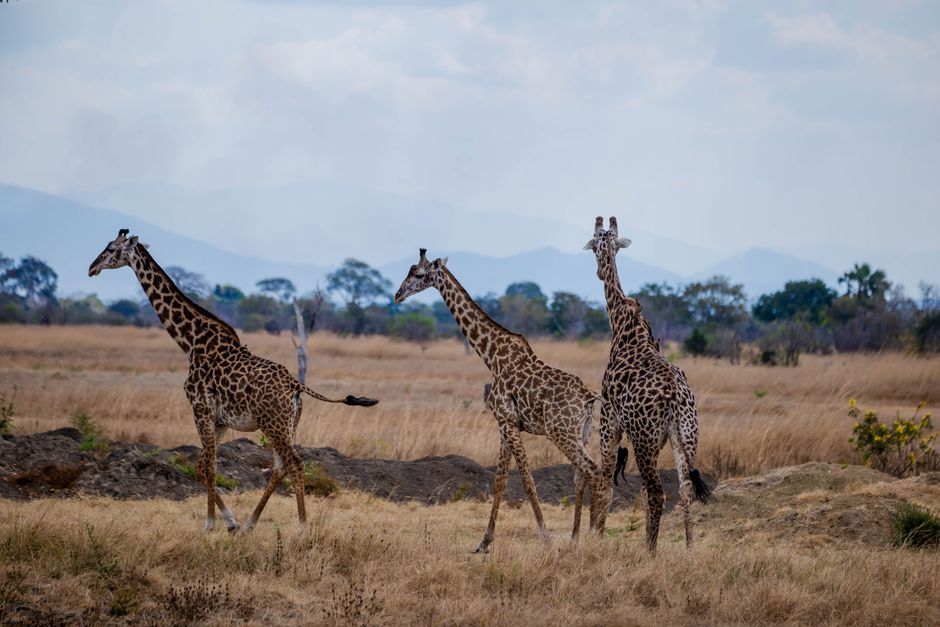
If life jackets are available, ask whether your group should wear them during the safari and how they fit. Also confirm the “response” rules: what you do if wildlife moves suddenly close to the boat, and how close you are allowed to approach.
A good briefing prevents hurried behaviour later, which matters for wildlife welfare and for your own safety around hippos and crocodiles.
Use a scanning method: wide, medium, then confirm
From a boat, wildlife can appear in stages. Try a repeatable scan pattern:
- Wide scan along the river corridor to find silhouettes against the bank
- Medium scan for movement where vegetation meets open water
- Close confirm only when you have stable positioning and no need to rush
If animals are quiet, watch behaviour rather than only location. Hippos may hold still until they decide to surface or move; crocodiles can remain motionless until timing and currents line up. Your goal is to notice “micro changes” before they become dramatic movement.
Manage your expectations around hippos and crocodiles
Hippos and crocodiles influence boat routes because they often occupy calm pockets and predictable basking sites. Keep your distance and avoid lingering too long in one spot if it causes repeated turning, noise, or engine changes.
If the crew slows for a potential sighting, settle into that moment. Wildlife watching on water improves when groups do not point, talk loudly, or block each other’s view.
4) Safety and ethics on banks and on water

That means you should:
- Stay where your guide positions you and do not crowd closer for a photo angle
- Minimise noise and sudden movement
- Avoid trapping animals between people and the water edge
For crossings, remember that “the crossing” is often a sequence. Disturbance at the wrong moment can turn a committed movement into stop-start behaviour.
Boat safety rules that protect both people and wildlife
Different boats have different layouts, but the safest approach is consistent: listen first, move second.
- Sit where instructed and keep the boat stable (no standing unless told)
- Keep arms and gear inside the boat; never reach toward wildlife
- If the crew warns you to reduce noise or change posture, comply immediately
Respect local community life around river use
On-water routes in and around Nyerere may intersect with areas where local livelihoods depend on the river. Your guide should explain where boats can land (if at all), how landings are managed, and what behaviour is respectful near any community areas.
A good river safari day includes quiet discipline as much as it includes spotting. That reduces negative impacts and keeps your group aligned with park and community expectations.
5) An end-to-end sample day plan (crossing + boat)
Example timeline you can adapt to your season
Below is a practical structure you can use as a template. Your guide will refine it based on water level, animal activity, and where the lodge/camp is positioned in relation to your chosen launch and viewing banks.
- Pre-dawn (around first light): wake, quick breakfast, and a short briefing/check-in with your guide
- Early morning viewing bank (about 45–90 minutes): arrive in time to settle, observe approach behaviour, and watch for the start of a crossing sequence
- Mid-morning reposition or break (buffer time): move if your guide calls a shift; otherwise rest and reset
- Early afternoon reset (flex slot): keep the schedule adaptable, since river activity can increase or quiet down
- Late afternoon crossing check (where appropriate): a shorter viewing session can capture return crossings
- Boat safari: run as a separate block once the crew and route are clear, aiming for calm scanning time when visibility and wildlife movement are favourable
If the river is particularly active, a smart plan is to keep the boat safari flexible rather than forcing it to start at an inflexible hour. Your goal is to avoid “missing wildlife” because you were committed to a fixed timetable.
How to arrange transfers and guides smoothly
Your plan will run better when arrival and departure logistics match your wildlife rhythm. Confirm where your guide will meet you (lodge pontoon, office, or briefing point) and how long it typically takes to reach the river.
If road transfer from a nearby airstrip or town is needed, many travellers find it easiest to arrange transport in advance; GetTransfer can be helpful for lining up a driver so the first part of the day is calm rather than rushed.
A checklist of coordination questions helps avoid delays:
- Where exactly do you meet the guide, and what time should you be ready?
- How far in advance will you be told the crossing spot or boat launch point?
- What is the “backup plan” if the river edge is too muddy or activity shifts?
- Is the boat safari likely to include landing moments, and what is the safety rule there?
Make “not missing wildlife” the guiding principle
To truly avoid missing wildlife on a combined crossing-and-boat day, treat the day as two connected observation cycles rather than separate activities.
In practice, that means:
- Finishing the crossing session based on animal movement, not on fatigue alone
- Passing key wildlife information between the crossing guide and boat crew (for example, where animals were seen last)
- Keeping your group’s energy steady so scanning remains sharp during both early and late windows
Overall, the best Selous (Nyerere) river day plan is built around timing flexibility, guide-led positioning, and strict respect for wildlife space. If you arrive early enough to watch approach behaviour, stay calm during the brief moments when animals commit, and follow the boat crew’s safety guidance, you maximise sightings while keeping the experience responsible for the park’s most important river residents.
Leave a Reply