
If you're a birding enthusiast, then you know that Africa is a paradise for birdwatching. You can make your trip far more enjoyable when your accommodation cuts down on driving time and lets you start early.
This guide shows you where to stay in Serrekunda for easy road access to Gambia’s best birding stops along the coast and its inland national parks. You’ll also get a practical budget-to-premium way to choose the right base without compromising wildlife respect, comfort, or safety.
Because Gambia’s protected areas work best with flexible timing, the goal here is simple: help you pick a stay that makes sunrise birding realistic, supports longer full-day excursions inland, and keeps you comfortable on return roads after an evening drive.
Serrekunda Base: Neighbourhoods That Reduce Driving Time

Even if you plan to see everything, it helps to think in zones. You are aiming to minimise two things: early-morning travel and late-evening travel. Shorter transfers mean less time negotiating traffic, and more time observing birds carefully and respectfully.
Choose between coastal convenience and central flexibility
In and around Serrekunda, you’ll typically find two practical styles of location:
- Near the coastal access routes (Bijilo/Kololi/Fajara side): best for early starts to shoreline birding and relaxed afternoons by the water.
- More central in Serrekunda and nearby (quick links to the inland road): best for balancing coastal trips with reserve days and longer drives to national parks.
Plan for real-world transport
Road conditions and vehicle availability can shape how “easy” a stay really feels. Most visitors use a mix of pre-arranged transfers, local taxis, and guided day trips. If you’re travelling as a couple or small group and you want consistency, arranging a driver for full-day excursions is often simpler than negotiating each segment.
For safety and wildlife welfare, avoid rushing. A calm pace supports better bird sightings (less disruption) and reduces the temptation to push beyond safe driving practices.
Coastal Birding Close to Serrekunda

When you visit, focus on the forest edges and clearings. Many birdwatchers do best by slowing down, scanning systematically, and letting the guide (if you have one) show you how movement and sound often give the first clue to what’s overhead or in the canopy.
Tanji Bird Reserve for shoreline and wetland birds
For coastal wetland birding, Tanji Bird Reserve is the kind of stop that rewards patience. Expect a mix of species tied to water, mudflats, and seasonal food availability.
If you want more from your time here, aim for a schedule that aligns with your local sunrise habits and the day’s light. Birds can change their behaviour throughout the morning as temperatures rise and the air steadies.
Make your mornings start properly
Coastal birding tends to improve when you arrive before the day heats up and before many people have started moving around. A stay that lets you step out quickly, grab water, and get onto the road early is often better than a “perfectly located” option that adds 30–60 minutes to every outing.
If you’re sensitive to start times, prioritise short transfers to Bijilo Forest Park and Tanji Bird Reserve. That way, you can return for a rest without losing the most productive hours.
Inland Reserves for Forest Birds and Quiet Tracks
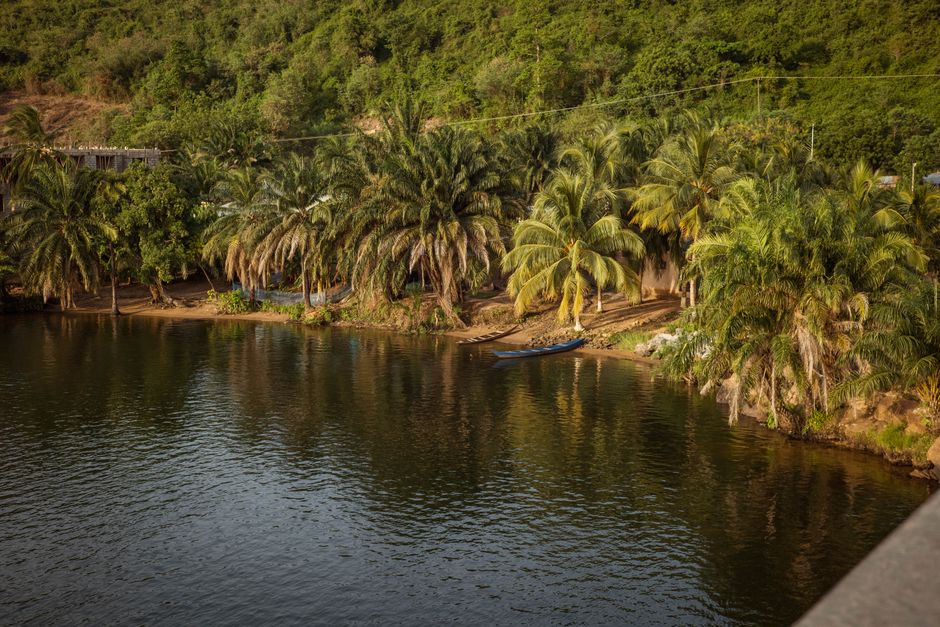
Abuko is also a good choice if you prefer guided walks that manage pace and minimise disturbance. The aim should be to watch birds without pushing them to relocate. Stay on marked paths where possible and keep voices low.
Makasutu Cultural Forest for guided experiences and birding potential
Makasutu Cultural Forest is often used for guided walks that blend nature observation with local cultural storytelling. For birdwatchers, it can provide a different rhythm from shoreline reserves, with longer chances to listen for birds in the trees and study flight lines above the canopy.
When you go, treat it like any other birding habitat: slow down, keep distance, and let the guide steer you to areas where the habitat structure supports bird activity. This helps wildlife welfare and makes sightings more likely.
How to choose the right inland day
A simple rule helps: match the habitat to your energy. Forest-focused reserves and cultural-forest walks are well suited to mornings and early afternoons. If you’re planning longer drives later in the trip, keep one “lighter” reserve day so you aren’t trying to compress everything into back-to-back long excursions.
By choosing inland days this way, you’ll also protect your attention span, which is crucial for spotting birds that show up briefly and then move away.
National Parks: Longer Drives, Big Rewards

Because distances are longer than for reserves near the coast, early starts matter. Birds may be more active, and the drive itself can reveal habitat transitions—from human settlements to open areas and then into park-style vegetation.
Respectful viewing is especially important in national parks. Follow local guidance on where to park, avoid stepping off tracks, and keep the group compact so wildlife isn’t surrounded.
River Gambia National Park for river-adjacent biodiversity
River Gambia National Park brings another feel to birding, with biodiversity shaped by water and seasonal conditions. It’s also a logical choice when your itinerary includes both birdwatching and broader wildlife viewing goals.
For birders, river-side habitats can be especially rewarding early and late in the day when activity concentrates near feeding and roosting areas. If your day includes a boat component through local arrangements, keep noise low and maintain distance from any wildlife.
Build the day around your arrival time
For national parks, the best stay isn’t only about proximity. It’s about how quickly you can reach your meeting point early enough to use the full day. That means choosing a Serrekunda base that doesn’t rely on long, unpredictable detours.
If you’re deciding between two accommodation options with similar comfort, favour the one that makes your earliest departure smoother. You’ll get more birding time, fewer stressful transitions, and a better chance of staying calm and respectful around wildlife.
Choosing Where to Stay: Budget to Premium (and Still Make the Most of Birding)
Budget-friendly: simple places near main links
If you’re watching costs, focus on guesthouses and smaller hotels that are close to main roads and easy to reach by taxi or pre-arranged transport. Your goal is to keep transfer times predictable, so you can still do a sunrise birding morning when plans change.
When evaluating budget options, prioritise:
- reliable water and basic mosquito protection
- quiet rooms or soundproofing (for recovery after early starts)
- a straightforward route for drivers coming from coastal and inland roads
Midrange comfort: balance convenience and downtime
Midrange accommodations often give you the best “birding rhythm” for longer itineraries: comfort for early mornings, good space for organising equipment, and a reception team that can help coordinate transport.
Look for properties with shaded outdoor areas or easy breakfast access. After a reserve day, you’ll appreciate somewhere that makes it simple to reset before dinner and plan tomorrow’s route.
Premium stays: fewer interruptions, earlier starts
Premium resorts and larger hotels in the wider Serrekunda area can be worth it if your trip includes multiple early starts and you want everything to run smoothly. The value often comes from convenience: consistent service, comfortable rooms for resting between outings, and an easier experience when your schedule becomes tight.
If you use Booking.com, treat it as a map tool first. Filter by location and read recent reviews for noise levels and how easy it is for drivers to find the property.
A quick checklist before you decide
When you’re choosing where to stay in Serrekunda, use a wildlife-friendly, birding-first mindset. The best option is the one that supports quiet, early, consistent viewing.
Overall, the most practical approach is to match your accommodation area to your birding mix: choose the coastal-access side for frequent trips to Bijilo Forest Park and Tanji Bird Reserve, add inland reserve days through Abuko Nature Reserve and Makasutu Cultural Forest, and plan national-park excursions to Kiang West National Park and River Gambia National Park with an early, well-organised departure. With the right base, you’ll spend more time watching birds and less time losing daylight to transfers, all while respecting wildlife and the communities that protect Gambia’s natural heritage.
Leave a Reply