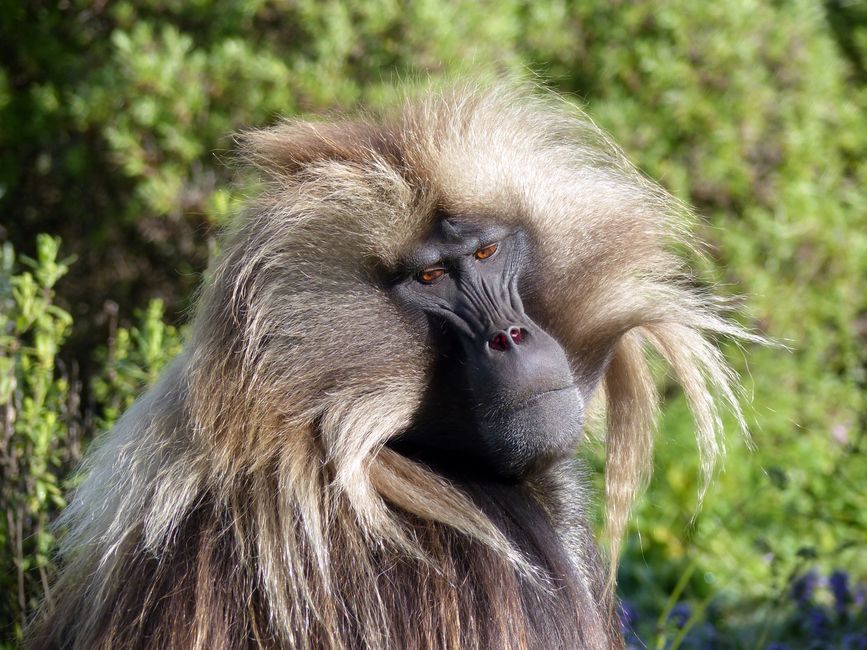
If you're planning a trek in the Simien Mountains, then you know the gelada baboons are the stars of the show. This guide walks you through the main trek routes, what the days usually feel like at altitude, and when geladas and highland endemic birds are easiest to spot.
You’ll also get practical, conservation-minded viewing advice: how to move safely and respectfully on the escarpment, how to read changing weather, and how to set expectations for wildlife encounters in Simien Mountains National Park.
Whether you’re considering the classic Gich option or a longer loop itinerary, the goal is the same: steady progress on foot, maximum time outdoors in good light, and minimal disturbance to wildlife and local communities.
Why Simien Geladas and Highland Birds Matter
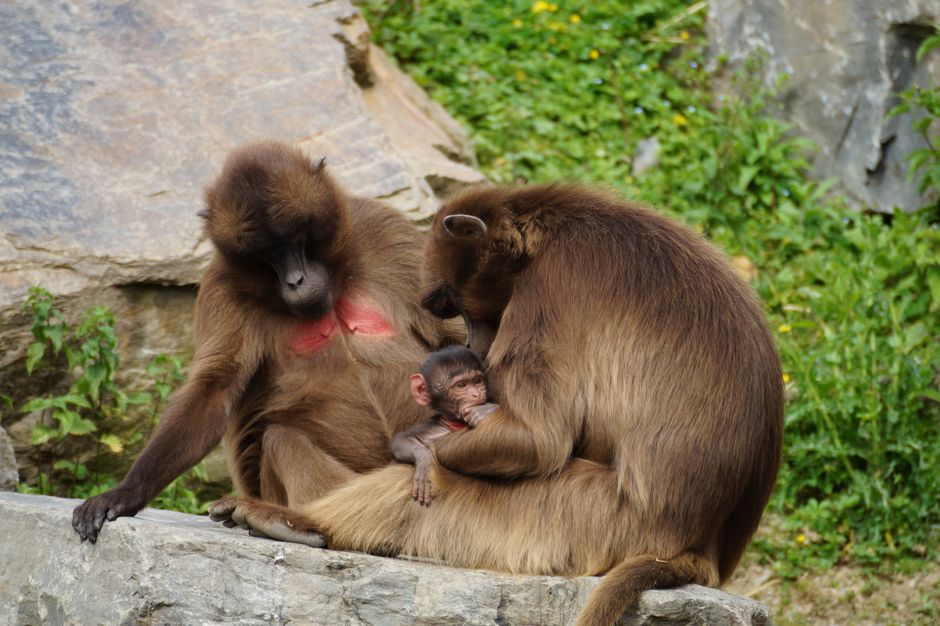
The most memorable scenes usually come from safe, managed viewpoints: you may see bands spread across rocky grassland, then slowly re-form as they travel along ridgelines or descend to graze.
Endemic birds in a dramatic altitude “island”
Simien Mountains National Park sits in Ethiopia’s highlands, where isolation and altitude have helped create a distinctive mix of birds. For birders, this means you can find species adapted to grass moorland, rocky slopes, and cliff faces—often with better visibility on clear days than in lower, warmer regions.
Endemic and near-endemic highland birds tend to be easiest to spot when the weather is stable and the light is good, because their preferred habitats (open ground and cliff lines) can be scanned from viewpoints along the trek.
Choosing Your Trek Route: Gich vs Longer Loops
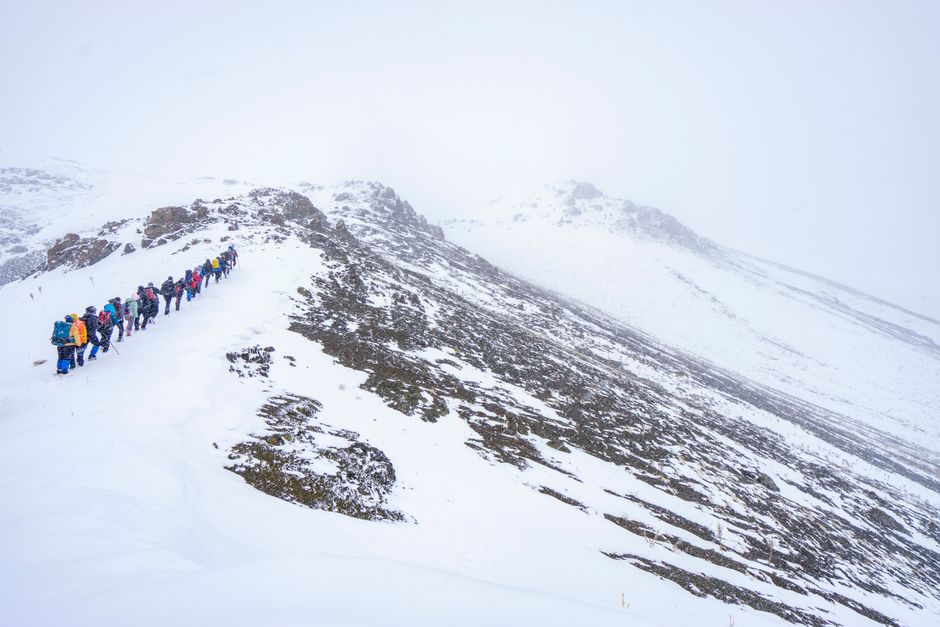
In practice, the Gich option typically suits people who are confident with multi-day hiking and want to maximise wildlife time without the full commitment of extended circuits.
Longer loop itineraries (more variety, more time in-country)
Longer loop treks are designed to give you broader terrain coverage—often meaning more varied ridges, multiple viewpoint days, and a greater chance of tracking both geladas and highland birds across changing habitats. The trade-off is time and energy: longer loops generally mean more total walking days, more altitude exposure, and a larger logistical footprint.
If your priority is “more chances” (for weather, animal behaviour, and bird activity), longer loops are usually the better fit.
Typical distances and elevation: what to expect
Exact itineraries vary by season and the pace set by your guide, but your body will feel similar factors across both route styles:
- You’ll often travel at high altitude for much of the trek, with the park’s highest peaks reaching around 4,600 m.
- Daily elevation gains can be steep on some days, especially when crossing ridges or descending to camps, followed by climbing again the next morning.
- Distance per day can range widely depending on your route, but expect sustained walking rather than short “stroll” days.
A useful way to plan is by thinking in terms of effort: even when the day’s distance feels manageable, the steep sections and thin air can make the hike feel longer than the map suggests. If you’re prone to altitude sensitivity, build in extra rest time when your guide recommends it.
When to Go for Geladas and Highland Birds

Geladas don’t “arrive” in the same way migratory birds do, since they are resident, but their day-to-day visibility can change with wind, cloud cover, and how the bands move across the grassland. Clear mornings often bring easier scanning from viewpoints, and late-day light can reveal movement on cliffs and slopes.
Rainy season conditions (wildlife still appears, but spotting gets harder)
The main rainy season in the region is usually around June to September. Rain can mean mist, reduced visibility, and slick footing, which makes it harder to locate birds at range and to maintain safe footing on exposed sections.
The wildlife is still there, but your ability to read the landscape changes. In wet conditions, you may find geladas closer to accessible grass patches, while birds can be harder to see if clouds and low mist keep them out of the open.
If you choose a rainy-season trek, flexibility is key: schedules may adjust to weather and trail conditions, and you’ll likely spend more time navigating rather than scanning.
Best daily timing for sightings
No matter the season, wildlife viewing is usually best when you’re outside early and late.
- Start your “spotting hours” at first light, when geladas are often active and birds may vocalise more.
- Use mid-morning for steady walking, then switch back to scanning around late afternoon when the light improves.
This timing approach works well for endemic highland birds too, because calm mornings and clear evenings often improve your ability to locate movement against rocky backgrounds.
The Trek Experience: What You’ll See on the Trail
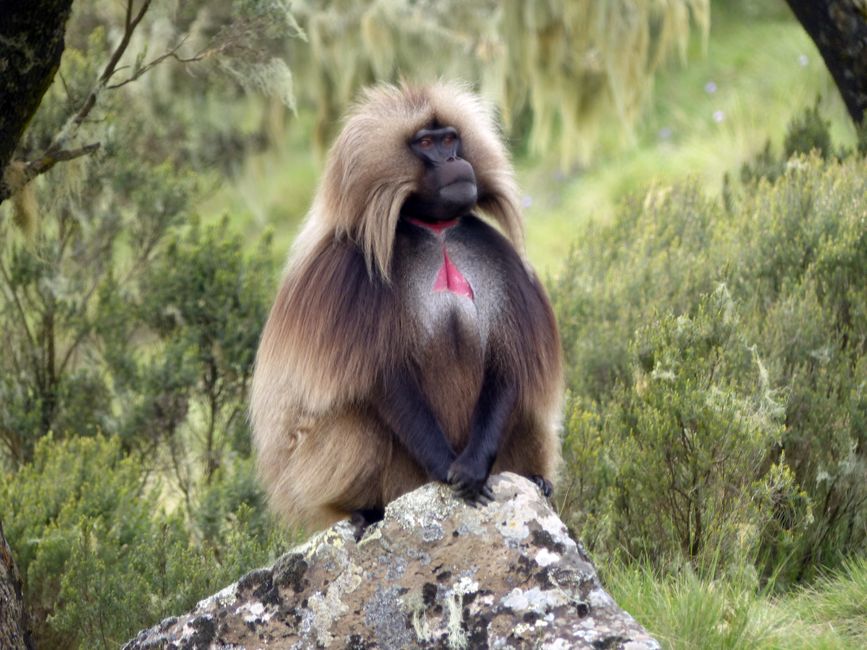
Those transitions are where you’ll often get your best wildlife moments. Geladas frequently position themselves in open areas where you can observe from a respectful distance, while other species may appear when you pause at viewpoints.
Birding moments along viewpoints and grassland
For birding, you’re not only relying on chance—your route choices and your stopping strategy matter. Spend a little time at safe overlooks: many highland birds show up more readily when you let your eyes adjust and scan methodically across open ground, not just from where the trail passes.
Look for birds associated with:
- rocky slopes and cliff edges (where perching and scanning are easier)
- exposed grass moorland (where movement against the ground is visible)
On clearer days, the birding “radius” increases dramatically. That’s why stable weather in the dry season is often the most rewarding time to combine trekking with birdwatching.
Other wildlife you may spot responsibly
Geladas are usually the main event, but Simien Mountains National Park also supports other remarkable wildlife. Depending on your route and daily conditions, you may spot:
- Walia ibex, which can appear on steep, rocky faces
- Ethiopian wolf, which is typically most likely to be noticed in suitable open highland habitats (and may be elusive)
Remember that sightings can be unpredictable. The best approach is to keep your pace and observation focused: stop briefly, watch from a safe distance, then move on rather than crowding animals or forcing repeated approaches.
Trek Ethics, Safety, and Getting the Most Out of Your Guide
Staying safe at altitude and in changeable weather
Altitude is one of your biggest considerations in the Simien highlands. Even fit hikers can feel the effects of thinner air, and weather can shift quickly on the plateau.
To stay safe:
- Follow your guide’s pace and acclimatisation advice, even when you feel capable of pushing harder.
- Expect colder temperatures and rapid changes in cloud cover; conditions can make visibility and temperature drop at the wrong moment.
Pack layers for fluctuating temperatures, and plan to protect against wind and rain even in the dry season, because mountain weather doesn’t always follow forecasts.
Respectful distance from geladas and nesting sites
Geladas are often comfortable with nearby human presence, but “comfortable” does not mean “no impact.” Avoid pressing closer for photos or blocking an animal’s path. Keep noise low and maintain an outward-facing awareness: a band that looks calm can change behaviour if people cluster or chase with attention.
A good rule is simple: watch, don’t surround. If a guide indicates that a section is sensitive, treat it as a viewing-through-your-eyes moment, not a “get closer” opportunity.
For birds, the same ethics apply. If you see birds showing signs of disturbance—frequent alarm calls, repeated flight, or obvious interruption to feeding—give them space and resume quiet observation from the safest ground.
Working with local guides and communities
Your guide is a key part of both safety and conservation. Local expertise helps you choose a realistic pace, recognise terrain hazards, and interpret wildlife movement patterns. It also supports community livelihoods that depend on sustainable tourism.
If you’re arranging pre- or post-trek nights in nearby towns, it’s often helpful to compare options and read recent reviews in an area like Gondar using Booking.com. The goal is to choose comfortable, reliable lodging that supports your schedule without creating unnecessary stress.
Overall, your best Simien trek experiences come from combining preparation with humility on the trail. Clear weather boosts visibility, but respectful movement keeps wildlife behaving naturally. With a route that matches your fitness (Gich for a more focused trek, longer loops for more terrain variety) and a timing plan that favours early mornings and stable conditions, you’ll give yourself the best chance of gelada sightings and highland bird moments—while travelling in a way that protects the park and the people who call it home.
Leave a Reply