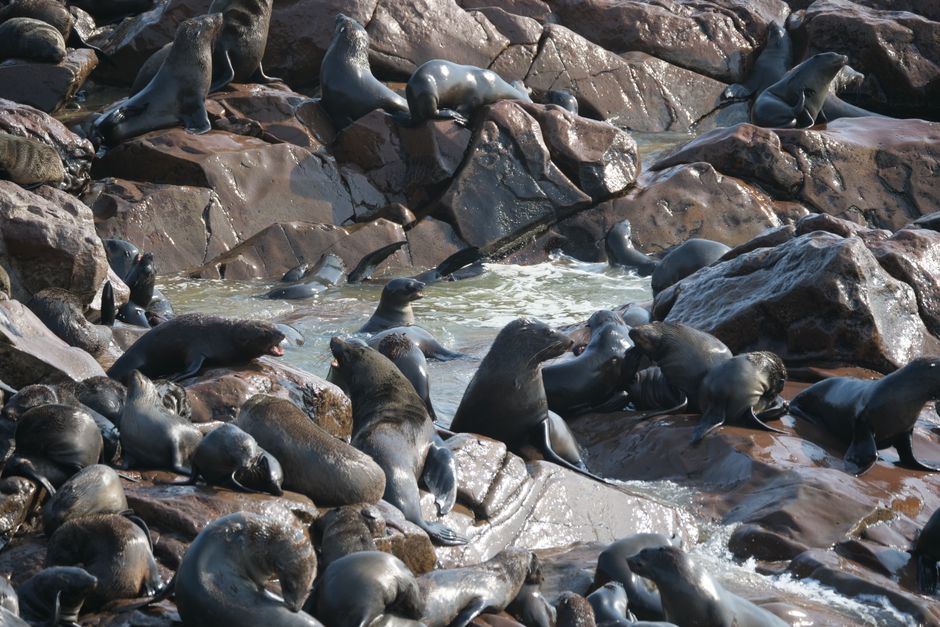
If you're planning a safari trip, you might be wondering how you can make your experience more sustainable.
A Skeleton Coast self-drive is one of Namibia’s most rewarding ways to connect with desert-adapted wildlife, but only if the planning is solid. This guide walks you through route planning, fuel and water logic, road-access realities, and the best times for seal and desert bird viewing along the coast.
You’ll also learn how to protect sensitive habitats, keep wildlife stress low, and reduce the chances of a stranded or emergency situation when services are far apart.
Map Your Skeleton Coast Route Before You Turn the Key

Start with the wildlife “anchors” (then build the driving)
A good Skeleton Coast route is built around where wildlife viewing actually happens, not around how far you can cover each day. For this coast, your key anchors are Skeleton Coast National Park and Cape Cross, then you connect the dots with realistic driving times between gate areas, coastal pull-offs, and overnight stops.
Treat the route like a chain: if one link takes longer than expected (soft sand, corrugations, slow driving, or weather), the whole day changes. Planning around anchors helps you keep your viewing windows intact.
Choose an entry-and-exit rhythm you can repeat
Instead of trying to do everything in one sweep, consider an itinerary rhythm with clear “in” and “out” points. Morning departure from your base, a mid-day rest, and a late-afternoon return to a safer parking option can work better than cramming wildlife stops into the hottest or busiest hours.
In desert environments, you’re managing two variables at once: animal activity and driving conditions. When either shifts, you want a route that still makes sense.
Plot drive distances with margin for slow sections
On the Skeleton Coast, the limiting factor is often not the road’s distance, but the road’s condition. Use your mapping app to estimate distance, then apply a margin for:
- corrugations that force slower speeds
- soft patches that need careful traction
- turnaround time when parking/viewing space fills up
This approach is especially helpful for coastal stretches where wind can raise dust and reduce visibility, making driving slower and safer.
Fuel, Water, and Vehicle Setup for the Long Namib Gaps

Use fuel logic, not optimism
For a self-drive safari, fuel planning should be conservative. Before you enter remote coastal sections, top up in larger towns where you can reliably refuel, then calculate a buffer that covers:
- detours off your route
- slower-than-expected driving through sand or rough gravel
- the possibility of waiting out weather or an unexpected stop
If you’re carrying extra fuel, keep it secured and only use containers designed for safe transport. Avoid improvising with unlabelled containers or loose jerrycans, because vibration and heat are real risks in desert driving.
Water security for people, not just for “drinking”
Water needs are more than hydration for you. You also need water for basic hygiene, dust-related discomfort, and emergencies (for example, cooling down if you overheat). Even when conditions look cool, desert air can be dry, and the coast can still bring wind and dehydration.
A strong planning rule is to carry more water than the minimum required for drinking, and treat refilling points as “bonus,” not as your primary plan. If drinking-water supplies are limited, plan to have enough to cover your full day and overnight period.
Vehicle readiness that respects corrugations and sand
A vehicle that handles well on gravel corrugations is often the difference between an enjoyable day and a stressful one. Key considerations include:
- tyre pressures you can adjust for the surface type
- brakes and suspension in good working order
- recovery basics (a safe recovery plan and the right equipment for your vehicle)
Desert driving is not only about traction. It’s also about control and predictability: slow, smooth inputs help prevent wheelspin and overheating.
If you’re arriving by air and want calm, low-stress logistics from the airport to your rental pickup, GetTransfer can help get you moving without last-minute scrambling.
Road-Access Realities: What Self-Drive Actually Means Here
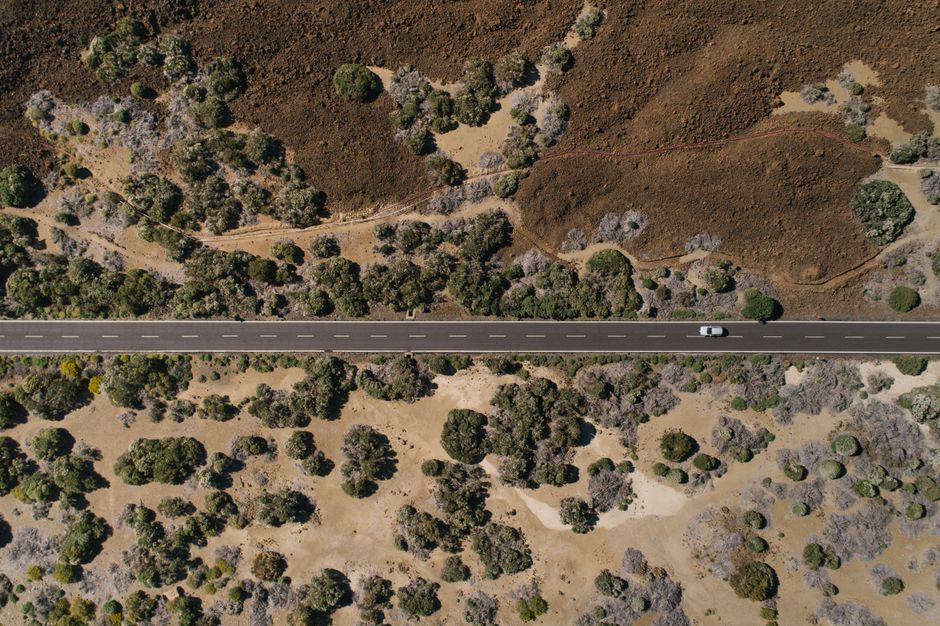
Confirm access, gates, and track suitability
Access rules can change based on weather and management requirements. Before setting out, verify:
- which sections are open to self-drive vehicles
- where gate access is time-sensitive
- which tracks are restricted or require specific vehicles
Even when a route is “technically passable,” conditions can be different after rain, windstorms, or high surf. Your goal is not just to get through; it’s to do it without damaging habitat or putting yourself at risk.
Know when to turn back (and do it early)
One of the hardest parts of desert driving is making a conservative decision early rather than late. If you arrive at a soft or deep area and traction is inconsistent, turning back sooner usually prevents vehicle damage and keeps the day calm.
Habitat protection matters too. Avoid repeated attempts that churn fragile surfaces or widen tracks. If a section looks like it will require repeated tries, pause and reassess.
Keep navigation and communication realistic
Coastal deserts can reduce cell coverage, and weather can change quickly. Carry a reliable navigation method and plan for the possibility of limited network access.
Good practice is to tell someone your route and timing, check the weather when you can, and keep a way to call for help if needed. In remote areas, being “prepared” is part of being respectful to wildlife, because disruptions caused by break-downs can spill over into safety issues and habitat impacts.
- Drive with a conservative speed that keeps control.
- Stay on designated routes and avoid creating new tracks.
- Keep a buffer for turning around and finding safe parking.
- Don’t follow wildlife onto sensitive dunes or shoreline edges.
Seal and Desert Bird Viewing Along the Shoreline
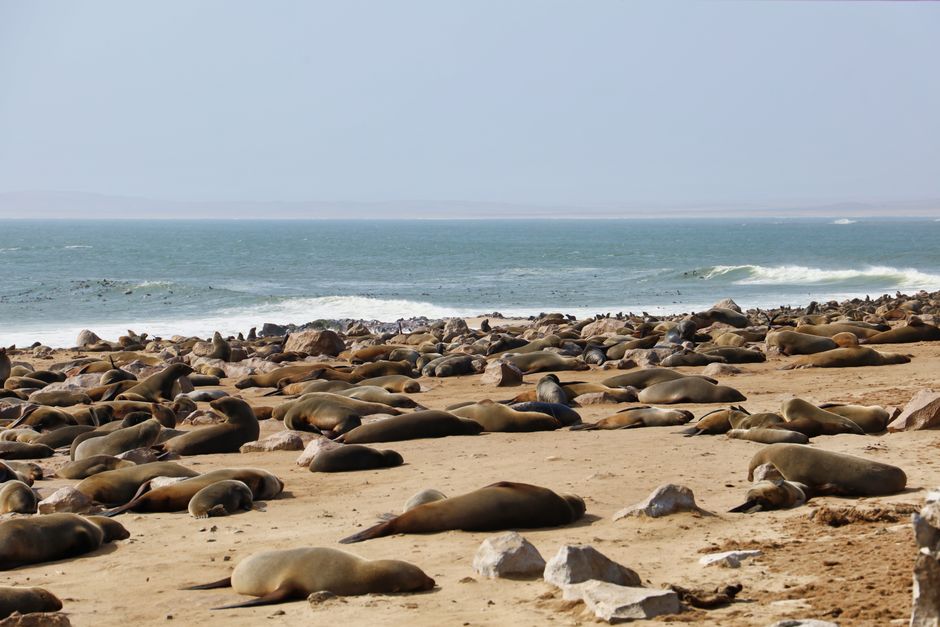
Cape Cross for Cape fur seals: time your visit and your distance
Cape Cross is one of the places where desert-and-coast wildlife viewing feels immediate. Cape fur seals are present along this area, and the viewing experience improves when you plan around two things: light and disturbance.
For better photos and calmer viewing, aim for early morning or late afternoon when the sun is lower and animals are often active. Maintain distance and stick to viewing areas and paths provided. If seals are displaying restless movement—piling up suddenly, changing direction, or showing obvious stress—back off.
The goal is to watch without crowding, because the coast is a living space, not a viewing platform.
Desert birds in dunes and rocky flats: choose cooler hours and quiet routes
Desert birds often forage and move during cooler parts of the day. The best viewing tends to be at dawn and during the late afternoon when heat is lower and visibility improves.
Along the coast, birds use a mix of shoreline edges, rocky outcrops, and dune transitions. Scan systematically from a distance first—using your eyes for movement and your optics for confirmation—then choose one safe viewing spot rather than repeatedly moving closer.
If you hear birds calling more frequently, slow down and pause. In open desert, sudden changes in activity can be a clue that you’re near feeding or resting areas.
Tide, wind, and visibility: the “watching conditions” checklist
Coastal wildlife timing isn’t only about the clock; it also depends on how much shoreline is exposed and how clearly you can see.
For shoreline-focused viewing, low tide often reveals more feeding opportunities for coastal birds and makes it easier to track movement along the waterline. Wind can also affect your experience: dust and sea spray can reduce visibility, so plan your driving and viewing stops with comfort and safety in mind.
If you’re struggling to see clearly, don’t push closer. Better viewing usually comes from repositioning to a safe, stable place—without stepping into fragile areas.
Respect, Wildlife Welfare, and Making the Most of Your Days
Move through habitats like a visitor, not a pressure test
Desert-adapted wildlife uses thin margins. A small habitat disturbance can have long-lasting effects. Keep your routines low-impact:
- park on durable surfaces where possible
- avoid driving close to dunes, breeding areas, or shoreline vegetation
- walk carefully and only where tracks already exist
Even when animals seem tolerant, your responsibility is to prevent stress and avoid accidental harm.
Wildlife welfare rules that keep your safari enjoyable
Good welfare comes from consistent distance, quiet behaviour, and patience. For seals and birds, the same principle applies: don’t chase, don’t corner, and don’t try to “get closer for a better view.” If wildlife changes its behaviour in response to your presence, you’re already too close.
Remember that your vehicle and your footsteps are part of the environment. Keep noise and movement controlled, and allow animals to decide whether they want to approach.
Plan days with buffers, not just targets
On a Skeleton Coast self-drive, the most enjoyable itineraries are the ones with spare capacity. Use your plan to set priorities, but build in buffers for:
- slower driving on rough or sandy sections
- additional viewing time when wildlife activity is high
- unexpected weather, especially wind and coastal haze
If a day runs behind, it’s better to protect your viewing window at the next anchor than to scramble to reach everything.
Overall, the best Skeleton Coast self-drive safari planning balances four essentials: route logic around Skeleton Coast National Park and Cape Cross, conservative fuel and water margins, respectful road and habitat choices, and timing your wildlife viewing for calmer conditions. When you plan with safety and welfare in mind, the coast’s desert-adapted wildlife rewards you with sightings that feel both memorable and responsible.
Leave a Reply