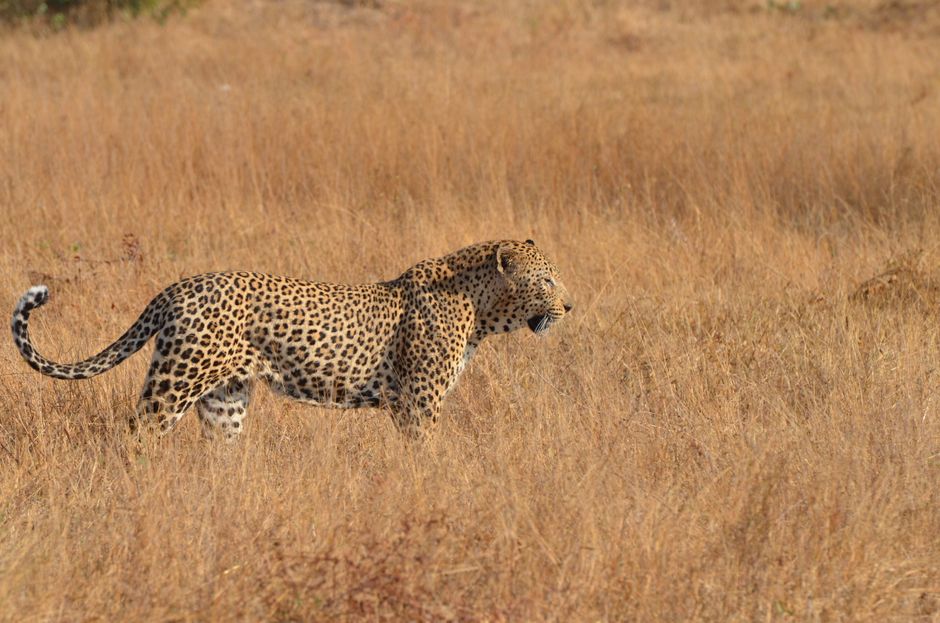
If you're planning a safari trip, you might be wondering how you can make your experience more sustainable.
A walking safari in South Luangwa, Zambia, can be one of the most rewarding ways to see big cats, but it works only when you plan realistically and follow wildlife-first rules. This guide covers how to plan for leopards and lions on foot, including walking-safari etiquette, ideal group size, fitness expectations, safety distances, and the best windows for sightings.
It also focuses on responsible behaviour so your presence supports conservation and respects the people and wildlife that make South Luangwa special.
Understanding a South Luangwa Walking Safari for Big Cats
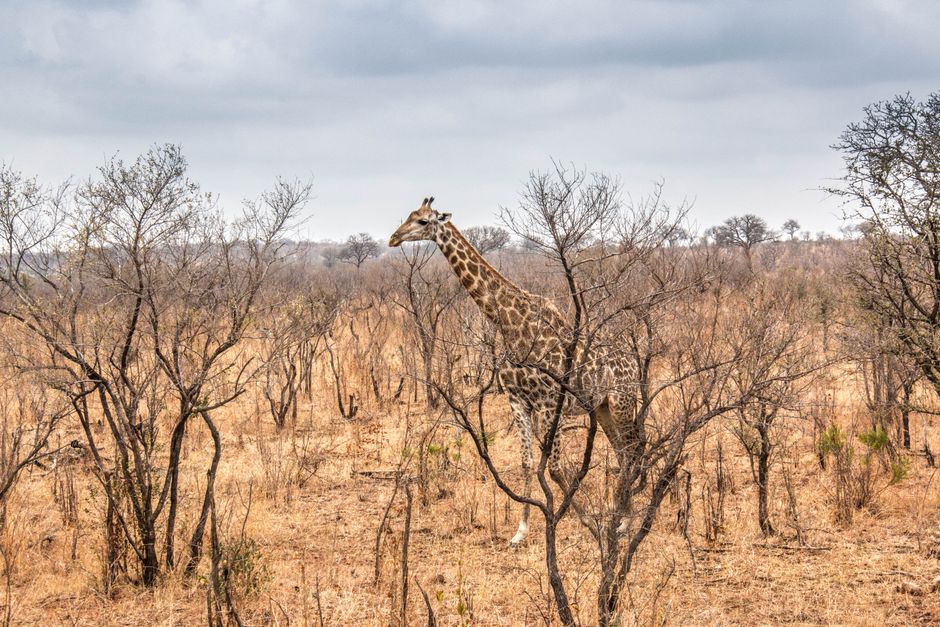
Why walking changes what you see
On a vehicle safari, you are often viewing animals from a distance, along with their wake-up-and-relax rhythm. On foot, you slow down and reduce the “noise” of movement and engines, which can help you notice the small signs that big cats are nearby: fresh tracks, scrapes where cats have stretched, and the way birds and other wildlife react.
The trade-off is that you are closer, your field of view is narrower, and your time window for a good sighting can be shorter. That means planning should prioritise safety, positioning, and patience over trying to force an encounter.
The two places where walking safari success often starts
In South Luangwa, walking routes are chosen to match habitat and the day’s conditions. Most leopard and lion opportunities come from areas with strong cover and movement corridors, and from river-linked landscapes where prey and predators overlap.
Two zones commonly used for this style of safari are South Luangwa National Park and the adjacent Lupande Game Management Area. While both can deliver exceptional sightings, the day’s guide team will decide where to walk based on fresh evidence of predator activity and the behaviour of other wildlife.
When to Go: Best Sightings Windows for Leopards and Lions
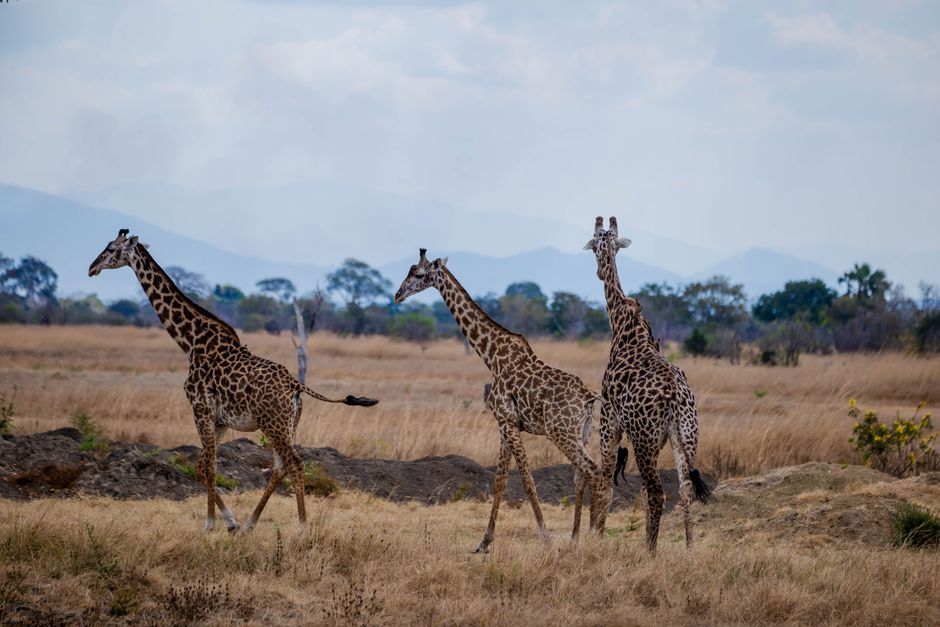
Seasonal patterns you can plan around
South Luangwa’s game-viewing rhythm changes with the seasons because visibility, ground conditions, and animal movement all shift. For walking safaris, these changes matter even more than they do from a vehicle, since you need safe footing, a comfortable pace, and the ability to stay quiet and alert.
In general terms, you can expect different advantages depending on whether the land is drier and easier to walk, or wetter and busier with dense vegetation and thicker ground cover. Your lodge or guide team will translate that into a specific plan for your dates, because predator movement is highly local and day-to-day.
Time of day: where cats are more likely to be detected
Walking safaris usually work best when you are out during the periods big cats are more likely to move and to be actively alert to opportunities. Early morning and later afternoon tend to offer a balance of light for viewing and cooler temperatures that make it easier to walk calmly and maintain good communication within your group.
Even when the light is right, leopard and lion sightings depend on the day’s “story” on the ground. Tracks, calls, and recent movement often matter more than simply ticking off a time of day.
Getting the Right Fit: Group Size and Fitness Expectations
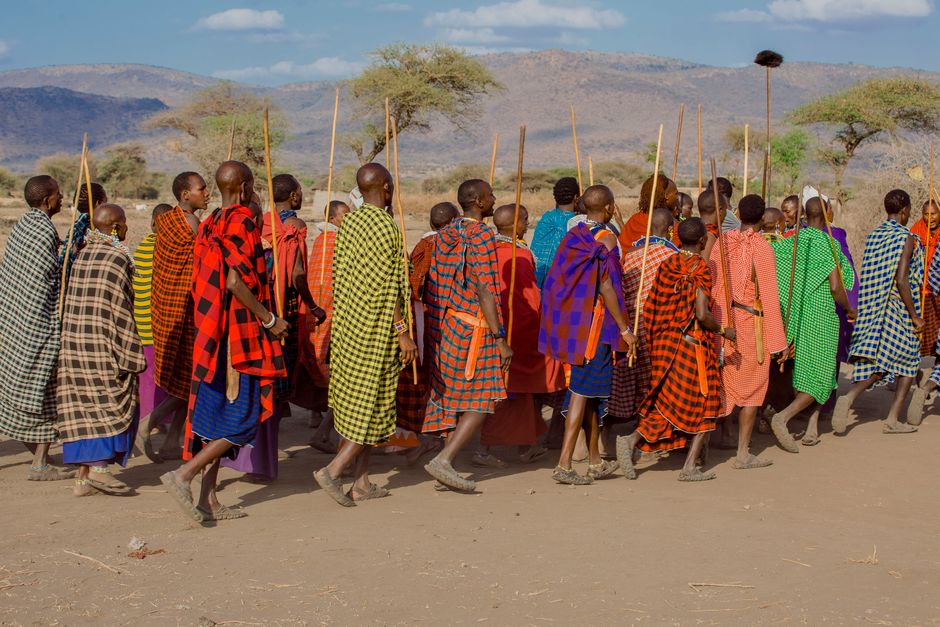
Ideal group size for close, calm tracking
A walking safari for predators is not a “large group” experience. Smaller groups help your guide manage spacing, reduce noise, and make it easier to slow down when conditions change.
As a general rule, you should aim for the smallest group size that your operator uses regularly for big-cat walks. That is the scenario where you can usually expect more attentive guidance, quicker changes in route if leopard or lion sign appears, and better control of walking pace.
Fitness expectations: prepare for uneven ground and long pauses
Walking safari fitness is less about speed and more about comfort over distance, steady balance, and the ability to stand still for periods. You may need to walk over uneven ground, step carefully around roots and rocks, and stay focused even when a sighting is not immediate.
Think about your day in “phases”: walking to a start point, slower tracking where the group stays close, and longer stillness when the guide positions you for safe viewing. If you tire quickly when you stop moving, that can become an issue because your attention needs to stay on the guide, your surroundings, and any changes in animal behaviour.
What to tell the operator before you arrive
To plan properly, share any limitations early. Good operators will adjust pace and route when needed, and they will also help you understand the level of walking required for predator tracking.
Before you set off on your South Luangwa dates, discuss expectations around: the number of walking hours on a typical day, how often you will stop, whether routes are mostly open or heavily vegetated, and how your group size is managed.
Safe Distances and Viewing Rules for Lions and Leopards on Foot
Keep the guide’s plan, even when an animal changes direction
Once walking begins, the guide is managing safety and wildlife welfare through constant position checks, communication, and judgement about the animal’s intent. If a lion or leopard shifts direction, your job is to follow instructions immediately, maintain spacing, and avoid “helping” by stepping sideways to get a better angle.
Big cats can change behaviour quickly. A viewing plan that seems safe one moment can become unsafe if your group moves too close, advances too quickly, or spreads out.
Safety distances: think in terms of behaviour, not a single number
Distance matters, but on a walking safari it is usually handled through behaviour and context: wind direction, terrain, whether the cat is aware of you, and how quickly it could change from watching to moving.
A useful way to plan is to ask your guide what safety distances and triggers they use for lions and leopards during walks, and then commit to those rules for the entire trip. Reputable teams will explain what you must do if the big cat closes ground, changes posture, or begins to move toward cover.
Common safety and behaviour rules you should expect (and follow) include:
- Stay in position and do not approach, even if the animal appears calm.
- Maintain quiet, especially during stillness; avoid sudden movements, calling, or waving.
- Do not try to circle, cut off the animal, or “get around” for a photo.
- Keep to the spacing your guide sets; if instructed to fall back or turn, do it promptly.
How to prepare for a real sighting
A leopard can disappear and reappear within seconds as it uses cover. A lion may watch, move slowly, or choose a new line that brings it closer than you expected. That is why preparation matters: you need to stay alert, breathe steadily, and be ready to stop and stand when told.
For photos, it helps to plan your stance before a sighting builds. Use slow, controlled camera handling, avoid stepping forward for a shot, and trust that the guide will position your group for the safest viewing angles.
If you feel unsteady or distracted at any point, communicate quickly with the guide. Confidence and clear attention reduce accidental noise and movements.
Ethics, Conservation, and Planning for the Best Walking Safari Experience
Wildlife welfare comes first
An ethical walking safari is designed to reduce stress on predators and respect the space needed for hunting and resting. For leopards and lions, stress can lead to changes in movement patterns, avoidance of areas, or risky behaviour.
To protect welfare, your guide should be making decisions that prioritise the animal’s choice. That includes maintaining safe viewing positions, limiting time spent pushing for close contact, and ending a walk or shifting route when the cat’s behaviour suggests discomfort or heightened risk.
Respect people and the wider landscape
South Luangwa is not only about wildlife; it is also about the communities and land uses around it. Walking safari planning should factor in where your route starts and ends, how you behave near local boundaries, and how you treat staff and support teams.
A good operator trains guides and camp teams in community respect and in wildlife-first protocols. You can support this by following all briefing instructions, keeping your group controlled in shared areas, and avoiding behaviours that disrupt local routines.
Planning details that help you stay flexible
The best walking safaris for lions and leopards often happen when plans stay adaptable. It is fine to research windows and expectations, but your final on-the-ground experience will depend on what your guide finds: fresh sign, movement corridors, and the animal’s immediate behaviour.
When arranging your trip, choose travel dates with enough breathing room for early changes. If you plan tightly from morning to night, you may feel disappointed if the day’s conditions require a different route or timing shift. With leopards and lions, patience is part of the technique.
Overall, the strongest South Luangwa walking safari planning comes from combining realistic fitness and small-group expectations with strict wildlife-first viewing rules. By following these… guide-led distances, staying quiet and still when asked, and aligning your timing with seasonal and daily patterns, you give leopards and lions the space they need while giving yourself the best chance of a safe, memorable sighting on foot.
Leave a Reply