Are you interested in experiencing the vibrant culture of the Maasai Mara? When river crossings are the priority, the real question becomes where to base yourself so you can reach the Mara River fast.
This guide helps you choose well-placed stays in and around the Maasai Mara National Reserve, with practical pointers for picking a lodge that suits your driving time, viewing windows, and comfort level. You’ll also learn what crossing sightings look like day to day, plus the etiquette and safety rules that protect wildlife and local communities.
If you’re planning specifically for crossings, focus less on “views from the room” and more on “minutes to the river.” River action depends on conditions, herd behaviour, and guide positioning, so your best strategy is a base that keeps you flexible.
Choosing a Crossing-Ready Base

Prioritise fast access to Mara River routes
For river crossings, time on the road is time you cannot use searching. The best bases are those that allow your driver to reach the river corridors quickly and then reposition as herds move.
In practice, this means choosing a stay that’s close to the routes commonly used for river-viewing drives inside the Maasai Mara National Reserve. Even if you cannot predict the exact moment of a crossing, you can be far more responsive when you start from a north-leaning, river-accessible location.
Look for operational flexibility, not just location
Crossings are not guaranteed. A lodge can be “near” on a map and still be awkward if the only practical routes are slow or if drive planning becomes rigid.
Ask how game drives are usually structured: whether your lodge makes it easy to leave early, return mid-afternoon for a rest, and go back out if conditions improve. That flexibility often matters more than a single distance number.
Treat your lodge as a strategy hub
Your base influences everything from sunrise departures to late-afternoon patience. When crossings are the goal, a strategy-friendly stay helps you:
- adjust the day’s plan without feeling rushed
- keep a steady routine (early drives, calm breaks, repeat outings)
- follow your guide’s judgement as river conditions change
Where to Stay: Northern and River-Accessible Maasai Mara

Talek-area style access and quick river positioning
If your priority is crossing chances, consider camps and lodges that are commonly used for drives that reach the Mara River routes efficiently. These properties are often selected because they fit the “find, reposition, wait” rhythm needed for sightings.
Well-known examples include:
- Governors' Camp: Often chosen for its strong support of early departures and viewing drives that can be adjusted as activity builds.
- Cottar's 1920s Camp: A popular base for travellers who want dependable guiding and a comfortable pace while staying ready for river movement.
- Kichwa Tembo Tented Camp: Frequently used by operators for north-leaning routes when the goal is to reach the action quickly.
Central-reserve lodges that still fit river-drive schedules
Some lodges sit more centrally within the Maasai Mara National Reserve, but still work well for river-focused itineraries if driving times remain manageable. The key is whether your lodge and guide can reliably support early starts and repeat excursions when herds shift.
Two options that many visitors consider for general Mara access (and sometimes river routes, depending on conditions) are:
- Mara Serena Safari Lodge
- Rekero Camp
Use your booking conversation to confirm typical drive timing to the river-facing routes your guide plans to use.
Planning-friendly camps for a flexible itinerary
If you want a base that encourages patience and multiple outings, choose a lodge that feels comfortable for “two-drive days.” This matters because crossing activity can develop over the course of several hours.
A further example in the mix is:
- Sentrim Mara Camp
When comparing stays, focus on how the camp manages daily timing, including breakfast departures, warm-rest breaks, and the ease of heading out again if the guide calls for it.
What River-Crossing Sightings Look Like in Real Time

The viewing rhythm: waiting, repositioning, and scanning
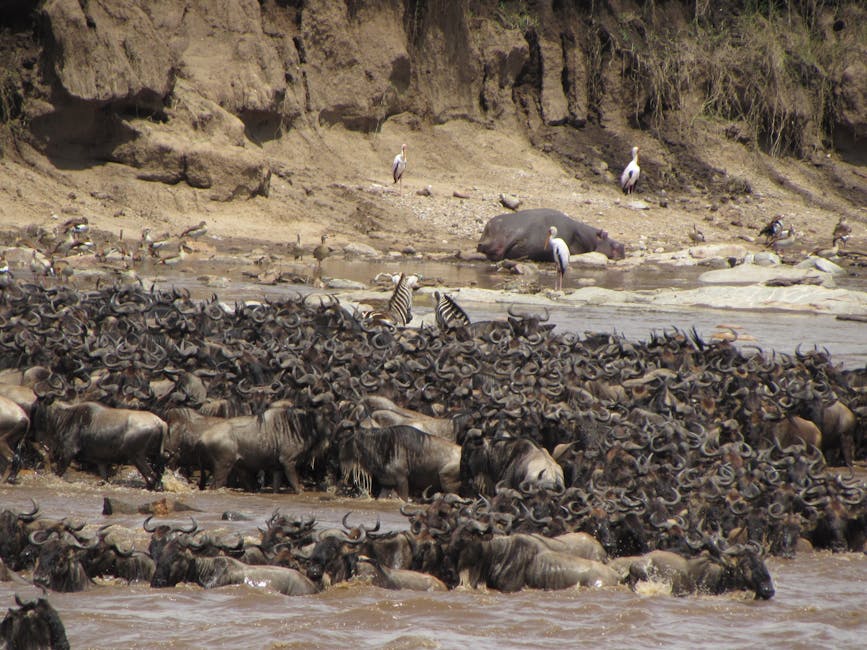
Even when a herd is approaching the river, the first visible signs may be subtle: restlessness, a slowing pace, or animals moving toward the bank. Guides then scan for the earliest cues that a crossing might be starting, and they reposition so you can watch without interfering.
Expect a day that may include quiet stretches, not constant action. Your best experience often comes from good patience management: staying calm, listening to your guide, and keeping eyes on the river corridor rather than trying to “force” the moment.
Wildebeest, zebra and the wider river mix
Crossings are most famous for wildebeest, but zebra and sometimes other wildlife can be part of the river-edge drama. What you’ll notice in practice is a sequence: interest in the waterline, movement to the bank, and then the herd’s own decisions about when to commit.
Because animals respond to footing, currents, and perceived safety, the same stretch of river can be active one day and quiet the next.
When the light and weather change the day
Lighting and weather influence visibility and animal behaviour. Overcast skies can make scanning feel easier, while bright conditions can create glare off the water; rain can make river sections harder to judge from a vehicle.
That is why your lodge choice matters: you want to be in a position where your guide can react quickly—either by shifting to another river viewpoint or by trying again later if conditions aren’t right.
Respect, Safety and Wildlife Welfare on Crossing Drives
Keep distance and follow vehicle guidance
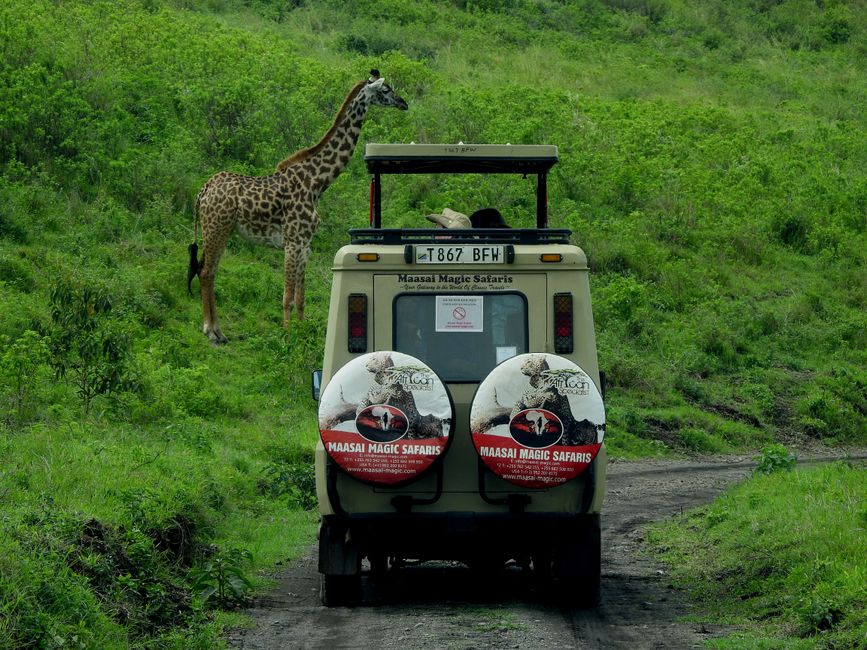
Crossings can draw crowds, but the animals are the reason you’re there. Vehicle presence should be controlled, and your movements should be coordinated with your guide’s instructions.
A safe, welfare-first mindset usually includes:
- staying where your guide places you
- keeping noise low and avoiding sudden revving or acceleration
- not trying to stand up, lean out, or chase angles
- respecting limits on how many vehicles sit in the viewing position
Avoid stress during the most sensitive moments
When a herd hesitates, it’s tempting to “do something” to help. For wildlife welfare, the best action is often doing nothing beyond maintaining calm, quiet observation.
If your guide asks your vehicle to reposition, follow promptly. If you are asked to wait farther back, treat it as part of a responsible viewing plan rather than a downgrade in experience.
Protect riverbanks and local livelihoods
River crossings occur in a shared landscape. Responsible guiding means staying within permitted areas and avoiding damage to vegetation or river edges.
Just as important, respect for local communities means keeping behaviour professional: no littering, no disruptive photography habits, and no interfering with people working nearby when drives pause.
Planning Your Stay for the Best Chances
Choose a stay length that allows repetition
Crossing opportunities can be sporadic. One day might deliver a perfect river moment; another might not show anything beyond watchful movement. A longer stay helps because it lets guides learn the day’s conditions and keeps your itinerary aligned with shifting herd behaviour.
For many travellers, this turns the trip from “one attempt” into “several guided tries,” which naturally raises your overall odds.
Time your days around early and repeated drives
A river-focused itinerary usually works best with at least two outings: one that can catch early activity and one later when the herd may decide to move again. Your lodge can support this by ensuring smooth departures and a comfortable return between drives.
When you’re comparing bases, ask whether the lodge makes it easy to:
- leave early without delays
- return for rest if needed
- go out again if your guide recommends a second run
Book with awareness of access and flexibility
Availability can change quickly during peak periods, so it helps to confirm both room options and the practical logistics your guide needs (pickup times, departure windows, and how quickly you can be on the road).
If you’re comparing options and dates, Booking.com can be a useful starting point for checking availability and aligning schedules with your safari operator.
Overall, choosing where to stay near the Mara River is about maximising your ability to reach the right river route quickly, then staying flexible enough to follow your guide’s plan. Start with a north-leaning, river-accessible lodge inside the Maasai Mara National Reserve, build in repetition across multiple drives, and keep welfare-focused viewing rules front and centre—so your chances improve without compromising the herd’s space.
Leave a Reply