
If you're a birding enthusiast, then you know that Africa is a paradise for birdwatching. If your dream trip involves the Taita Hills, you’ll be heading to a patchwork of montane forest and nearby habitats where Kenya’s forest birds can feel unusually accessible.
This guide covers birding safari planning in Kenya’s Taita Hills Wildlife Sanctuary, focusing on specialties and seasonal movements, along with typical morning route ideas, the most realistic species targets for a short visit, and practical tips for choosing a local guide.
Because wildlife viewing is only enjoyable when it’s respectful and safe, the guide also highlights how to keep your birding approach low-impact, especially around nesting areas and sensitive forest patches.
Taita Hills Birding: What You’re Chasing

A sanctuary with Eastern Arc-style endemics
The Taita Hills are well known for birds found in this region and nearby highlands of Kenya, with several “endemic” species tied to the forest. In a short visit, this is what you’re really planning for: locating the right habitat and then being present at the times those birds are most active.
In the Taita Hills Wildlife Sanctuary, birding tends to focus on the forest and edge habitats where songbirds move through understorey gaps, feed along fruiting trees, and respond to local sounds (especially early in the morning). Your guide’s local knowledge matters because these birds can be quiet, difficult to spot in thick vegetation, and highly specific to micro-habitats.
Habitats that shape your checklist
Your “checklist” will depend less on luck and more on habitat. In the Taita Hills, the main habitat types you’ll hear and see through the day include:
- forest interior and shaded corridors (best for skulking species and many endemics)
- forest edge and transition woodland (best for mixed flocks and active song)
- nearby open areas (helpful for swifts, raptors, and general highland bird activity)
Even within forest, small changes in canopy cover, moisture level, and fruit availability can affect where birds are feeding and how visible they are.
When to Go: Rainfall, Quiet Activity, and Migrants
Best months for endemics
For many of the Taita Hills specialties, the birds are present year-round, but “ease of detection” changes with weather. Generally, the most birding-friendly windows tend to be the drier stretches when:
- forest trails are more comfortable to walk
- birds are less likely to be silent for long periods after heavy rain
- sightlines through understorey and leaf clutter are often clearer
In practical terms, many birders aim for periods around January to March and June to September, when conditions are often more predictable. If your trip dates fall during wetter spells, plan for shorter excursions, more breaks, and extra reliance on sound-identification rather than long visual searches.
Seasonal movements by elevation
Taita Hills birds don’t just “arrive” and “leave” like tourists do; many species make seasonal adjustments in where they feed and how high or low they travel within the forest landscape. After rainfall, insects and fruiting activity can shift, and birds may move to areas that offer more food or better cover.
That’s why timing and habitat matching go together. A morning that starts in the forest edge and then moves deeper (or does the reverse) can work better than sticking to one spot all morning.
Weather and visibility tips
Birding in the Taita Hills works best when you treat the day like a rhythm. In general:
- early morning tends to bring clearer light and stronger vocal activity
- light mist can make calls travel, but heavy rain usually shuts down movement
- overcast conditions can be excellent for seeing darker forest birds, but it’s sometimes harder to pick up small, fast-moving species
Your guide should also be able to read conditions on the ground: if a patch of forest is too wet or quiet, they should have a second option rather than pushing you through poor conditions.
How to Plan a Morning Route

Start early and work from forest edge to canopy
A typical morning route in the Taita Hills is usually built around two goals: being where birds are calling soon after light, and then following food and movement patterns as the forest wakes up.
Most successful mornings follow a gentle “work from edge to interior” pattern (or a “interior first, then edge” alternative), because different bird species can be more vocal or more visible at different depths of the forest.
A practical structure looks like this:
- arrive early enough for pre-sunrise listening
- spend the first 30–45 minutes in an area with clear understorey movement and reliable access
- continue toward a deeper forest pocket once you know what’s active
Listening beats rushing: sound cues and spacing
Many of the specialties you’re hoping to see are easier to locate by ear first, then confirm visually. The best approach is not frantic searching but careful spacing:
- stop often and let the forest “talk”
- move only when calls suggest birds are moving or feeding near you
- avoid crowding one patch; spread out slightly so you don’t block sightlines for others
Because some species stay low or move quickly through vegetation, patience often pays back as cleaner views rather than longer chasing.
Pairing targets with habitat features
Instead of relying only on location names, plan around habitat features your guide can explain. For example, birds may be drawn to:
- fruiting trees (look for clusters of berries or obvious feeding activity)
- moist corridors and shaded slopes where insects are abundant
- small clearings that create more movement in understorey
When a specialty is active, it’s common to see birds repeat behaviours. Your guide can time stops to those repeating patterns rather than constantly relocating.
Species Targets for a Short Visit
Core endemics to request
For a short visit, it’s realistic to focus on a small number of high-priority targets rather than trying to “cover everything.” Your guide should be able to explain which endemics are most likely in the available forest pockets and why.
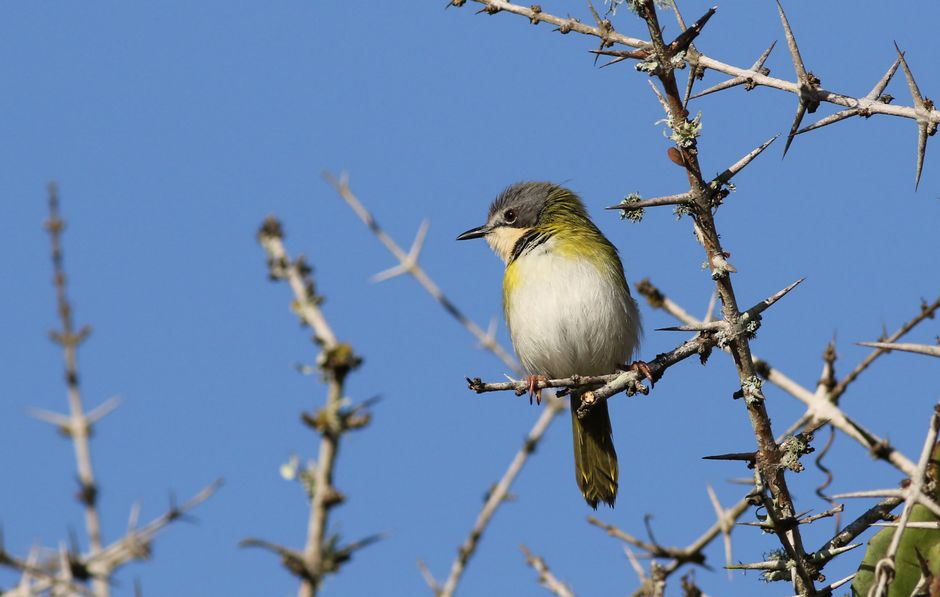
If you want a practical planning shortlist, these are the kind of Taita Hills specialties birders often request:
- Taita apalis
- Taita thrush
- Taita cisticola
- Taita white-eye
Because endemics can be patchy in their activity from day to day, treat these as “best targets,” not guarantees. Your best strategy is to combine them with a flexible plan that allows quick changes in where you bird when conditions shift.
What to expect if conditions are tough
If the morning is unusually quiet, heavy rain is preventing movement, or wind makes calls harder to place, the most realistic result is often partial success: either you may get closer audio confirmation of a target without a clear view, or you may identify an individual through brief glimpses before it disappears.
In these cases, a good guide should still keep your time valuable by switching to the next-most-likely microhabitat where similar birds are more active.
Common companions you might add
Even when the endemics are the headline, you’ll usually gain extra value from “supporting cast” birds in the same forest layers. Expect variety in calls and mixed foraging movement, especially near forest edge transition zones where different species use the same food resources at different heights.
To keep expectations grounded, ask your guide for a plan that includes both:
- your endemics “must-see” targets
- a second tier of species that are more dependable in the same habitat
This helps turn a short trip into a balanced checklist even when a single target is elusive.
Choosing a Local Guide and Birding Responsibly
Guide selection: questions that matter
A local guide is not just a driver and a set of directions; they are your best tool for finding birds that are quiet, hidden, or difficult to confirm. When choosing a guide, look for clear answers to questions like:
- Which microhabitats in the Taita Hills are most reliable for your target endemics?
- How do you decide where to bird each morning—by sound, habitat, or time of day?
- What’s your approach to playback or calls (if any), and when is it avoided?
- How do you handle “no sight” moments—what backup sites or habitats do you switch to?
If your guide can explain their method calmly and realistically, that’s a strong sign they focus on bird welfare and accuracy rather than forcing sightings.
Safety, distance, and nest etiquette
Good birding is safe birding. In the forest environment of the Taita Hills Wildlife Sanctuary, respect matters because:
- some birds nest low or in dense understorey
- forcing closer approaches can cause repeated alarm responses
- paths can be narrow, slippery, and easy to damage when walked off-trail
Keep a sensible distance, avoid stepping into fragile vegetation, and don’t attempt to “track” a bird into cover by pushing understorey aside. If a guide asks you to pause or stop moving, it’s usually because movement risks disturbing nesting activity or scattering feeding birds.
Supporting the community beyond the sightings
Local guides and nearby communities benefit most when conservation rules are followed and tourism money is distributed fairly. A respectful birding approach supports that goal by keeping groups small, sticking to sanctioned routes, and reducing unnecessary delays that can strain local logistics.
If you’re using booking platforms to manage transport or accommodation, it can help to confirm that your birding guide is local to the area and is working within the sanctuary’s rules. For example, Booking.com can be useful for arranging places to stay, but the birding value comes from the guide and how well they know the specific forest pockets.
Overall, the best way to plan a birding safari in Kenya’s Taita Hills Wildlife Sanctuary is to match your timing to the drier, more predictable months when possible, build morning routes around listening and habitat depth, choose a short list of realistic endemics, and pick a local guide who explains their methods and prioritises low-impact viewing. When the plan is flexible and respectful, even a brief visit can turn into a memorable set of high-quality sightings.
Leave a Reply