
If you're a birding enthusiast, then you know that Africa is a paradise for birdwatching.
The Tana River Delta is one of Kenya’s most rewarding places to slow down, listen, and scan for both resident kingfishers and visiting migrant waders. This guide shows you when to go, how access and boat routes shape what you see, and how to choose guides so target species are possible without adding pressure to nesting birds.
You’ll also get practical, safety-first ideas for a successful day on the water, plus a clear set of questions to help your guide focus on your birding goals responsibly.
Tana River Delta at a Glance: Habitat for Kingfishers and Waders
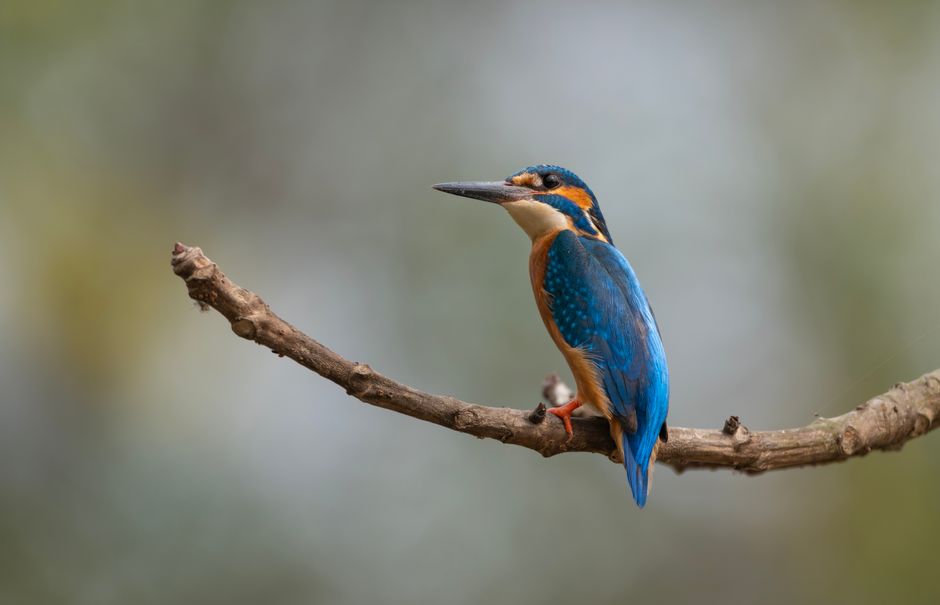
Where the birds concentrate
The Tana River Delta is formed where the Tana River slows and fans out before meeting the Indian Ocean. That “spreading out” creates a patchwork of habitats that birders love: shallow mudflats and sandbars, tidal creeks, reedbeds, river channels with overhanging vegetation, and nearby floodplain areas where insects and small prey are abundant.
Kingfishers tend to use edges: the junctions where water depth changes, where floating vegetation breaks the surface current, and where fishing spots are protected from strong wind. Migrant waders, meanwhile, usually concentrate where food is exposed—especially along soft banks and shallow flats at the right stage of tide.
Species you’re most likely to see
On a well-timed safari, you can expect a mix of resident waterbirds and seasonal visitors. Your best chances for kingfishers come from calm channel edges and areas with clear perches above water. For migrant waders, the strongest results are often about timing and access: getting onto the right stretch of mudflat before feeding peaks, then staying flexible as tide and wind shift.
When it comes to asking for specific targets, it helps to name the birds you want and let your guide decide where to look first. That keeps the approach bird-focused, not disruptive.
A practical target list to discuss with your guide
- Pied Kingfisher (Ceryle rudis)
- Giant Kingfisher (Megaceryle maxima)
- Malachite Kingfisher (Coryllis/Corythornis cristatus)
- Half-collared Kingfisher (Alcedo semitorquata)
- Bar-tailed Godwit (Limosa lapponica)
- Ruff (Calidris pugnax)
- Eurasian Whimbrel (Numenius phaeopus)
- Common Greenshank (Tringa nebularia)
- Curlew Sandpiper (Calidris ferruginea)
- Little Stint (Calidris minuta)
When to Go: Best Months for Migrant Waders
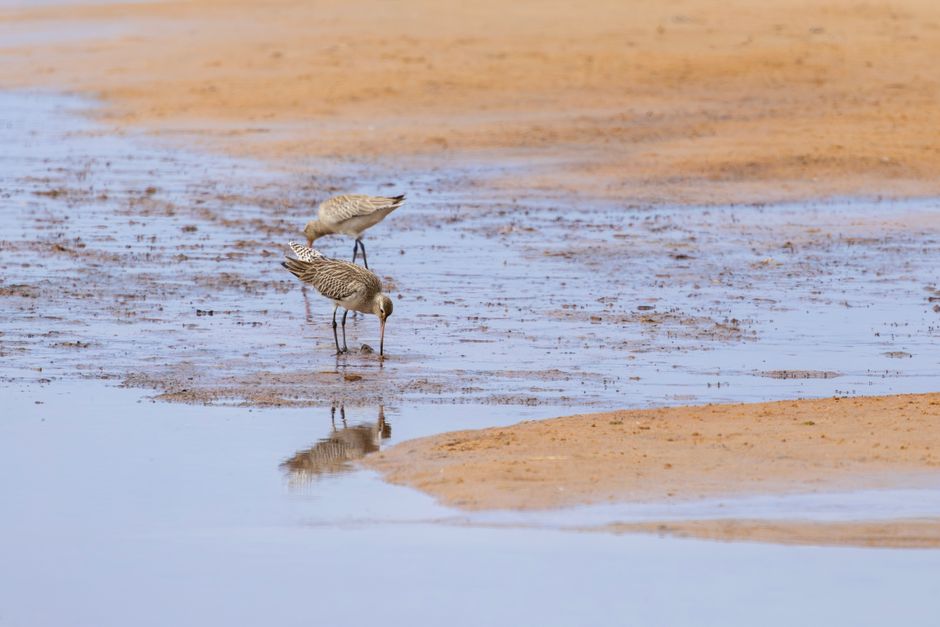
Wader peaks and weather patterns
Migrant waders are most predictable when you travel during their broader seasonal window. In East Africa’s wetlands, most boreal migrants typically move through between roughly September and March, with the strongest overlap often falling around late autumn into mid-winter.
Rather than chasing a single “best week,” aim for a range that matches the tour length and your tolerance for changing tide conditions. In many years, the months of October through February offer the greatest chance of seeing multiple wader species on the same outing, though conditions can vary from year to year based on rainfall and ocean/river dynamics.
If your main goal is migrant waders, it also helps to plan around early morning and late afternoon feeding cycles. Even within the same month, wind strength and tide timing can change what’s accessible.
Kingfisher viewing year-round
Kingfishers are less “calendar-dependent” than waders. Because they rely on fish, insects, and small aquatic prey, they can show up across the year wherever channels and sheltered edges provide hunting perches.
That said, the clarity and comfort of your outing still matters. On rougher days, boat access can become harder and birds may feed closer to cover. When choosing your travel dates, prioritize stable, workable weather for longer viewing sessions along channels rather than trying to squeeze in multiple half-days.
How Boat and Flight Transfers Shape Your Birding

Typical access flights to nearby airstrips
Most Tana River Delta birding trips start with reaching the Tana River region, then transferring to the river entrance points for boat time. Depending on where you’re coming from, flights are usually followed by a road transfer and then a boat-based approach.
A common pattern is: fly to a nearby airstrip serving Tana River County (or the coastal region used by safari circuits), then connect by vehicle to the delta entrance, where skiffs and larger boats take you into the channels. Some itineraries may include a further connecting flight if your departure point doesn’t offer direct access.
Because flight schedules can change and landing options can depend on weather, treat transfer routing as something to confirm with your operator once you’ve shortlisted dates. For birding success, what matters most is not the exact airline route, but the arrival time you get on the water.
Boat routes through channels and creeks
Once you’re on the water, routes are usually planned around two things: bird concentration and water conditions. Guides generally choose calmer creeks and narrower channels first for kingfishers, where perches and hunting edges are easier to see from low boat positions.
For migrant waders, routes commonly focus on stretches of exposed mudflat and shallow banks that are likely to feed at the tide stage you’ll encounter. That often means moving at the right time, then pausing long enough for birds to resume feeding behavior without repeated approach-and-leave.
A good birding strategy is to combine “searching” and “staying.” Searching helps you locate the most active feeding areas; staying reduces disturbance. If birds flush repeatedly, it’s a sign that the route is too close, too fast, or too frequent.
Practical note: if wind is pushing birds into cover, your guide may adjust the channel choice. Trust that adjustment; it’s often more effective than insisting on the first location.
Choosing a Guide and Requesting Target Species Ethically
Questions to ask before you enter the birds’ space
To target kingfishers and migrant waders without causing stress, choose a guide who is transparent about how they work. Before the outing, ask about how they approach sensitive areas, how often they move the boat, and what they do when birds show signs of flushing.
If you want particular species, say so clearly. A well-prepared guide can translate that into habitat choice (river edges with perches for kingfishers; mudflat feeding areas for waders) without constantly driving toward birds.
Also ask how they handle audio and optics. You want a plan that allows good views while keeping a respectful distance. The best guide will treat your binoculars and camera setup as part of the overall quiet approach, not as a reason to creep closer.
Reading nesting activity and keeping distance
Nesting birds are the reason ethics in the delta matter. Even when a nesting colony is not obvious, birds can be sitting tightly, carrying food, or alarm-calling when approached.
A responsible guide will use simple, field-tested signals to avoid pressure:
- If birds start calling more often, dropping lower, or repeatedly flying to draw you away, that’s a cue to back off immediately.
- If you see consistent “incubation” behavior (birds staying low and still), keep the boat line well outside the disturbance zone.
- If you notice birds carrying food in a predictable pattern, avoid crossing near the route they use to deliver food.
The goal is not only “don’t touch.” It’s also to avoid creating a cycle where birds must keep reacting to the boat. You can still get excellent results by letting the birds settle, then watching quietly.
Your Safari Day Plan: Respect, Safety, and Photo-Ready Habits
Best times of day and scanning technique
Bird activity often increases when the sun is low and insects are active. In practice, that means planning for an early start and scheduling your longest viewing windows when light is supportive for both eyes and cameras.
On kingfisher-focused stretches, scanning works best when you watch for movement at the waterline and then confirm with binoculars. Many kingfishers perch, pause, and then strike. A steady routine—scan, check perches, then pause—often brings better results than constantly searching new angles.
For migrant waders, use a “tide-aware” mindset. Once you’re on a feeding bank, spend time observing how flocks respond to the boat line. If they feed calmly, you can focus on identification and counting; if they become alert and start running or lifting, it’s time to stop the approach and hold.
Safety on water and community respect
Delta conditions can change quickly: shallow water, vegetation near the banks, and uneven mudflats all demand calm handling. Wear appropriate footwear for boat landings, keep personal items secure, and follow the guide’s instructions about where to sit and where not to step.
Respect for local communities is equally important. Movement through landing areas and village-adjacent paths should be quiet, considerate, and in line with what your guide advises. Ask where it’s appropriate to pause, avoid blocking access points, and remember that the most bird-rich spots are often part of shared local landscapes.
If you’re assembling trip logistics such as nearby accommodation, Booking.com can be a practical starting point for checking what’s available around your chosen dates and pacing.
Overall, if you plan around the migrant season window, travel with access that gets you into the right channels at the right tide stage, and choose a guide who actively manages distance during kingfisher watching and nesting periods, your Tana River Delta safari can deliver strong, responsible birding for both resident hunters and visiting waders.
Leave a Reply