
If you're planning a safari trip, you might be wondering how you can make your experience more sustainable. One of the best ways is to connect wildlife days with community-led cultural moments, in a way that benefits people and protects dignity.
This guide shows how to combine ten ruins and village stops around Senegal’s Niokolo-Koba region between park drives, using local guides, thoughtful pacing, and clear visiting etiquette.
Why Combine Niokolo-Koba Safaris With Cultural Stops

Turning “buffer time” into meaningful moments
Niokolo-Koba National Park is the headline for wildlife, but the region around it holds deep cultural history too. When you plan cultural stops between game drives, you create a fuller journey: landscapes make more sense, names carry meaning, and you’re less likely to rush through communities as quick photo stops.
Respect should lead the itinerary
The most responsible approach is to treat villages as living communities, not attractions. That means visits based on invitation, guided by people who know local rules, and paced so that residents are not pulled away from work for your convenience.
Local guides help you avoid “set-piece” tourism
In the Niokolo-Koba area, the difference between learning and extracting is often as simple as who is guiding the visit. A local guide or community organiser can explain what can be photographed, what should not be recorded, and which sites are suitable for outsiders to view.
Where to Fit Stops Around Your Park Days

Good bases: Kédougou, Bandafassi, and Dindéfélo
Many cultural stops connect most smoothly through towns and settlements in the Kédougou region, including Kédougou town and the areas around Bandafassi and Dindéfélo. These give you a practical “hub” for transport, meals, and arranging community guides without turning village drives into long, stressful detours.
If you’re staying at a lodge that already offers community connections, use that network. It usually shortens the time spent coordinating and helps ensure local participation is not an afterthought.
Timing between wildlife experiences
Niokolo-Koba days can involve early starts and long game-drive stretches, so cultural stops work best when they are close to your overnight base. Aim for short visits that don’t require residents to rearrange their day.
As a general rule of thumb:
- Schedule village or ruins visits for late afternoon or a half-day window, rather than during peak morning work.
- Keep one “flex buffer” day in your plan in case roads are slower during rainy conditions.
- Avoid stacking too many stops in one day; fewer visits, done slowly, are more respectful.
How to choose the right kind of stop
Ruins and heritage sites should be approached with the same care as living traditions. Ask whether a visit is educational and community-led, whether there are access rules, and who will be available to guide you. If the answer is unclear, it’s okay to choose a different stop.
Ten Ruins And Village Heritage Stops You Can Add
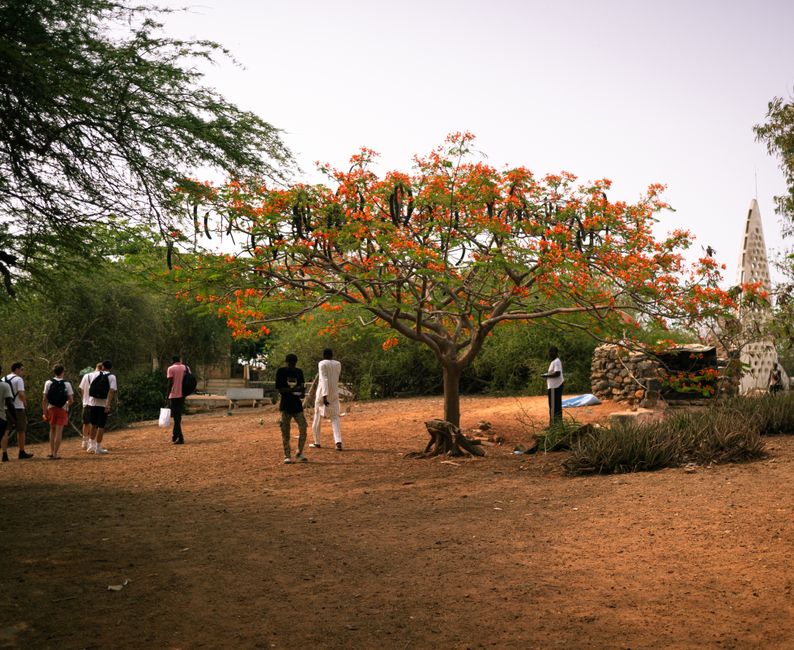
-
Kédougou town market and craft stalls (with a local guide)
Start with everyday culture: where traders sell produce, spices, and locally made items. Use the market as context for what you’ll see later in villages, and stick to respectful browsing rather than treating it like a showroom. -
Diakhanké metalworking and tool-making demonstrations (Kédougou area)
Crafts such as metalworking are often tied to family knowledge and apprenticeship. A guided visit helps you understand what’s made, how materials are sourced, and when filming or close-up photos are appropriate. -
Bassari homestead visits for everyday life and food traditions
A good community visit goes beyond “look at the house.” Ask about daily routines, cooking methods, and the role of extended family. Visits should include time to listen, not just quick questions. -
Bassari cultural gatherings or dance rehearsals (permission first)
If a community association is holding a gathering, a local guide can help you attend in the right way. The key is consent: photography, duration, and participation should follow community expectations. -
Bedik rock art sites and heritage viewpoints (Bandafassi/Dindéfélo area)
Rock art is both history and spiritual memory. View it with care, stay on designated paths, and rely on local interpretation rather than assuming meanings from afar. -
Dindéfélo heritage landscapes and family-led history walks
Use this stop to connect landforms, water sources, and settlement patterns to living culture. Family-led walks can be especially valuable when they explain how communities relate to the environment. -
Falémé River trading and riverside routines (as hosted by locals)
Rivers shape livelihoods through washing, fishing, and movement of goods. If your guide can arrange a respectful, low-impact visit, you get insight into how daily life links to broader regional networks. -
Sacred groves and community-protected sites (rules vary by family and tradition)
Some areas are protected for spiritual reasons or community decision-making. These stops should always be arranged through local permission, with clear boundaries on what outsiders may observe or record. -
Old village mounds and abandoned homestead traces (ruins explained by elders)
When elders agree to host a heritage walk, you can learn about settlement origins, past migration stories, and why certain places were left behind. Keep your distance, ask before photographing, and avoid climbing on fragile structures. -
Evening storytelling with a local griot-style musician or community historian
Storytelling is not a performance for outsiders; it’s a way of carrying memory. A local guide can help you attend appropriately, understand where you should sit, and know what questions are welcome.
How to Visit Respectfully (and Keep the Experience Safe)

Photo and recording etiquette that protects dignity
Avoid “document first, ask later” behaviour. In communities around Niokolo-Koba, photography can be sensitive, especially for children, private rituals, and sacred spaces. When in doubt, ask before you lift your camera.
A practical checklist:
- Ask permission for each person you want to photograph, not just the group.
- Skip close-ups of children and any filming in ceremonies unless explicitly welcomed.
- If someone declines, move on immediately and thank them.
Safety basics for cultural stops near wild country
Cultural visits often happen close to bush paths, water edges, and rural roads. Wear comfortable, closed footwear, stay on footpaths guided by locals, and avoid wandering off to “get a better angle.” If you’re travelling during quieter times, keep a consistent group size and let your guide manage entrances and boundaries.
Supporting communities without turning visits into transactions
Payment matters, but it should be transparent and community-appropriate. Rather than tipping randomly, ask your local guide how compensation works for hosting time, guiding, and any permitted visits. Small, predictable contributions help keep cultural stops sustainable.
Also consider what you bring into a village: gifts of sweets or money can create unintended pressure. When you want to share, discuss it with your guide first so the visit doesn’t harm community relationships.
Building a Smooth Route From Park to Village
Keep the rhythm: one “anchor day” of wildlife, one “community day”
A route that works well for most travellers is to treat Niokolo-Koba as the anchor: enjoy your game-viewing day at a comfortable pace, then plan a cultural stop for the next half-day or later afternoon. If you attempt to cram multiple long village visits around a full park schedule, you risk fatigue, late returns, and a rushed experience that puts pressure on residents.
Questions to ask before confirming any ruins or village stop
Before you lock in a visit, confirm three things with your local organiser or guide:
- What is the purpose of the visit, and how long should it last?
- What can visitors photograph, record, or enter?
- Who benefits from the hosting, and what expectations come with the arrangement?
Plan for seasonal changes without forcing “certainty”
In the Niokolo-Koba region, road conditions and daylight can vary between dry and rainy periods. Build your schedule with flexibility, especially for heritage sites where access depends on community availability. If timing shifts, it’s better to swap a stop for something nearby than to pressure a community to accommodate your itinerary.
Overall, by planning ten ruins and village stops with local guides, asking permission often, and keeping visits unhurried, you can create a Niokolo-Koba safari that respects communities and deepens your connection to the land beyond the wildlife.
Leave a Reply