
If you're planning remote African safaris with spotty mobile coverage, the right travel insurance can protect you when help is harder to reach. This guide shows what to look for in a policy before departure, with a focus on medical evacuation, delays, evacuation windows, and the documentation needed for reimbursements.
Remote safaris often mean long distances to the nearest proper medical facility, smaller airstrips, and communication that can be unreliable. That combination makes “good coverage” on paper less useful if it doesn’t match how help is actually accessed.
Below, you’ll find practical criteria to help you compare policies confidently, plus a simple way to plan what happens when you’re offline and need assistance urgently.
What “Remote Safari” Changes for Your Coverage

Mobile gaps affect how fast you can reach assistance
When your phone signal is inconsistent, you may not be able to quickly call an insurer’s assistance line, upload documents, or confirm an approval number in real time. That’s why you should treat your policy’s emergency workflow as part of your trip plan, not an afterthought.
A strong policy is one that supports you even if contact is delayed: for example, coverage that doesn’t depend on instant data transfer, and clear instructions on what to do when reception comes and goes.
Evacuation is logistics, not just medicine
For remote areas, “medical evacuation” is often a sequence: stabilisation, transport to a suitable facility, and then onward care if needed. The policy you choose should reflect that reality, including where the insurer is willing to send you and what counts as medically necessary.
Delays can be longer than you expect
In safari regions, delays can occur due to weather, road conditions, connecting flights, or charter availability. Some policies cover only short postponements; others include broader disruption terms, but the limits and definitions matter.
Policy Features That Matter Most for Remote Safaris
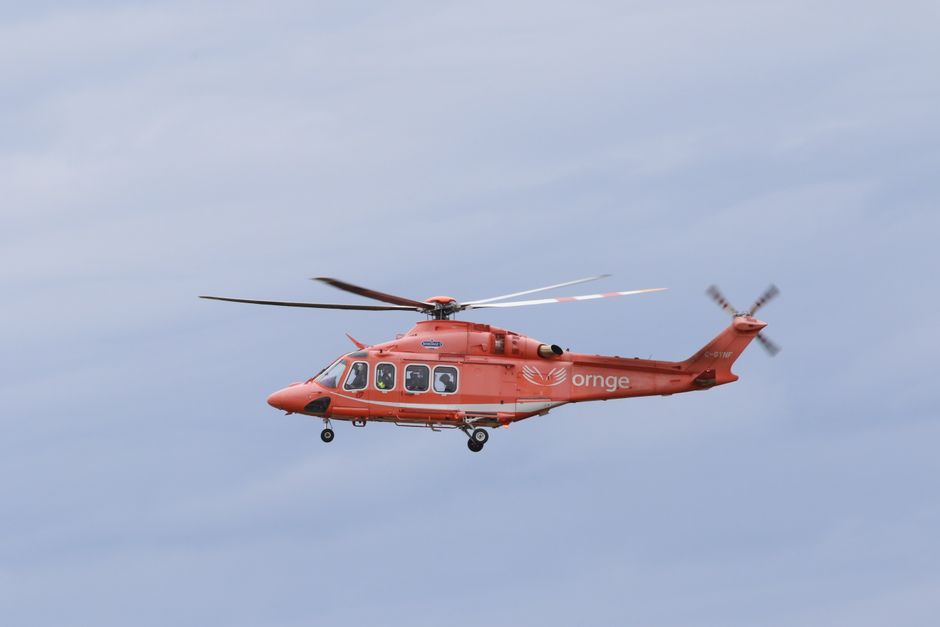
1) Medical evacuation: prioritise clarity and limits
Start with the medical evacuation benefit because it is typically the cost-driver in serious situations. Look for:
- High enough coverage limits for air and ground evacuation (not just “standard ambulance”).
- Evacuation to an appropriate medical facility, not only to the nearest point of medical contact.
- Conditions that allow evacuation from remote locations after you’ve been assessed or advised by a local medical professional.
Also check whether the policy requires the insurer’s assistance company to coordinate evacuation. Many policies do. If the policy is strict about approval, ensure your trip plan includes how your guide or lodge will contact assistance as soon as signal allows.
2) Delay and disruption benefits that fit safari travel
Next, focus on itinerary disruption and travel delay coverage. You’re not only protecting against cancelled flights; you’re protecting against longer waits for transport connections, delayed transfers, and changes caused by operational realities in remote regions.
What to verify in the policy wording:
- How delays are defined (for example, departure vs arrival vs missed connection).
- Whether coverage applies to both scheduled commercial transport and chartered transport arranged as part of your itinerary.
- Whether there are limits per day or a total cap, and how long you must wait before the benefit triggers.
3) Evacuation windows and time-based requirements
“Evacuation windows” are the time rules attached to benefits. These can affect coverage even when the medical need is genuine. Common examples include time limits for notifying the insurer, requirements to start certain actions within a set period, or thresholds for when an evacuation qualifies.
Because policies differ, the practical approach is to read the exact condition headings for:
- Notification time requirements (what to do if you can’t reach them immediately).
- When coverage starts (for example, whether it’s tied to the incident date/time or the first time you seek medical treatment).
- How long evacuation expenses remain covered once the process begins.
If the policy is vague, ask for written confirmation from the insurer or the broker before travel. For remote safaris, written clarity is often more useful than a verbal assurance.
Remote Regions Where Coverage Gaps Are Most Likely

If you’ll be spending time where help can take hours (or longer) to coordinate, pay extra attention to the policy workflow and approval requirements. Consider the following safari areas as a guide to where remote-coverage decisions matter:
- Okavango Delta (including Moremi Game Reserve), Botswana
- Chobe National Park, Botswana
- Nyerere National Park, Tanzania
- Kafue National Park, Zambia
- Etosha National Park, Namibia
- Skeleton Coast National Park, Namibia
Documentation That Makes (or Breaks) Reimbursements

Keep “evidence packs” you can access without signal
Reimbursements often fail due to missing documentation rather than missing coverage. Even if your phone doesn’t work reliably, you should still be able to produce a complete record.
Aim to store, in both digital and offline formats:
- Policy number and emergency assistance contact details
- Your itinerary and proof of payments (including safari package details)
- Lodge/guide contact details and vehicle or flight confirmations where available
If using Ekta to keep confirmations organised, treat those documents as part of your emergency file by downloading them to your offline folder before departure.
What you need after a medical event
For medical claims, insurers usually want a clear chain of documentation. Make sure you can obtain:
- Medical reports that describe symptoms, treatment, and diagnosis
- Receipts for treatment and any transport arranged locally
- Proof of evacuation approval or coordination, if your policy requires it
- Contact details of the medical provider and facility
In remote settings, receipts may not always be immediately available. Where that’s the case, ask for written treatment notes and save any discharge papers, even if a formal invoice comes later.
What you need after delays or disruption
For delay-related claims, keep documents that demonstrate both the reason for delay and the cost impact. This can include:
- Proof of modified or cancelled bookings (emails, itinerary changes, notices)
- Boarding passes, tickets, and any vouchers provided
- Receipts for additional accommodation or essential expenses if your policy covers them
- Any incident report if the delay was linked to operational disruption
A good rule is: if the claim needs an explanation, store the documents that let someone else understand what happened without needing your phone service.
How to Check for Coverage Gaps Before You Buy
Read exclusions that commonly affect remote safaris
Remote travel increases the chance of hitting an exclusion you didn’t think about. Pay special attention to sections on:
- Activities covered or not covered (for example, whether safari activities are included as normal travel or treated as higher-risk activities)
- Conditions related to off-road travel, water activities, or working in remote areas
- Age or residency restrictions, and any special rules for pre-existing medical conditions
If the policy doesn’t clearly include your safari activities, it’s worth clarifying before purchase. When the terms are unclear, the safest approach is to get written confirmation.
Match your policy to your specific medical situation
If you have a pre-existing condition, assume it will matter. Many policies either exclude it or cover it only if conditions are stable and medically cleared.
Practical steps:
- Ensure any required medical declarations are completed accurately.
- Ask how the policy handles flare-ups, investigations, and complications.
- Confirm whether evacuation is covered even if the condition was known before departure.
The goal is not to avoid coverage; it’s to understand exactly what “covered” means for your situation.
Check the emergency workflow and “who arranges what”
For remote safaris with mobile coverage gaps, this is crucial. Confirm:
- Whether you must contact the assistance service before incurring costs.
- What happens if you cannot reach assistance immediately due to signal limits.
- Whether your guide, lodge, or local provider can coordinate transport while waiting for approval.
Policies can differ on whether “medical necessity” is enough, or whether prior authorisation is mandatory. If authorisation is mandatory, your best defence is having a pre-agreed plan for how assistance will be contacted as soon as feasible.
Overall, Plan Like You’ll Need Help Before You Have Signal
Overall, choosing the right travel insurance for remote African safaris is less about picking the most expensive policy and more about matching the policy to how help will actually be reached. Prioritise strong medical evacuation coverage with clear evacuation rules, then add delay benefits that fit the way safari itineraries can shift. Finally, treat documentation as part of your safety plan: keep offline evidence of bookings and payments, maintain medical and disruption records, and confirm any time-based “evacuation window” requirements in writing. With that approach, patchy mobile coverage becomes a trip-planning challenge rather than a claim-making risk.
Leave a Reply