
If you're a birding enthusiast, then you know that Africa is a paradise for birdwatching.
Tsavo National Park is one of Kenya’s best places to combine both goals: steady elephant viewing in classic savannah habitats and birding that ranges from waterbirds at springs to woodland and grassland species around rocky country. This guide shows you how to plan a practical 3–5 day itinerary for elephants and birding while using drive times between lava-flow areas, seasonal waterholes, and birding hotspots to reduce backtracking.
You will also get clear guidance on how to watch elephants safely, how to bird without disturbing wildlife, and how to plan your days so you spend more time looking and less time rushing between sites.
Tsavo Geography for Elephants and Birds: East vs West
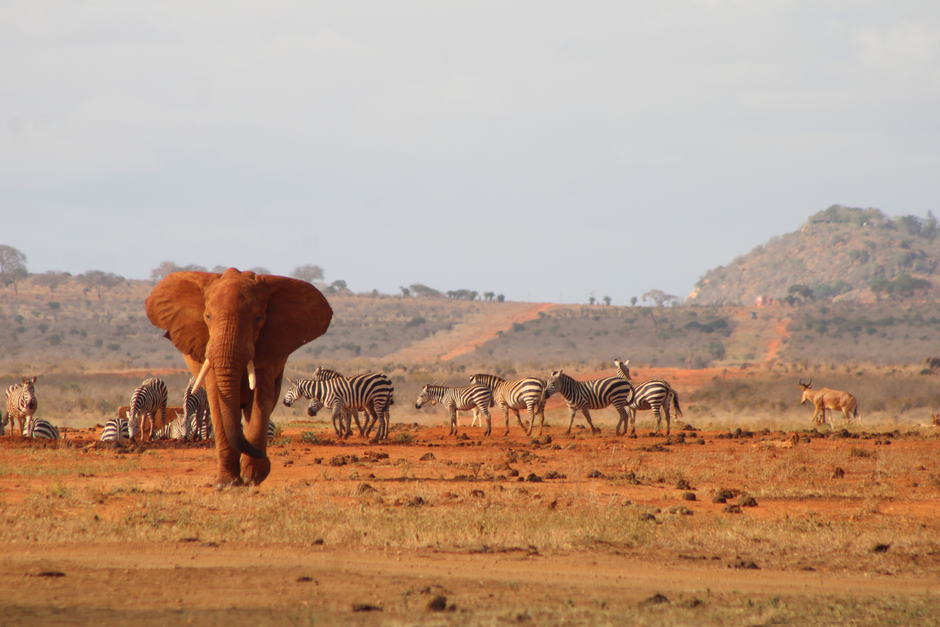
Map habitats before you map days
Tsavo is large enough that where you base yourself matters. Start by choosing which side of the park you want to lead with, then build your itinerary as a sequence of habitats rather than a string of isolated “must-sees.”
In general terms, Tsavo East National Park is a strong choice for open, rocky and lava-influenced landscapes where wildlife moves across broader distances. Tsavo West National Park is often where you get a higher chance of concentrated birdlife and easier-to-spot water-related species because of dependable water features.
Use water as your birding anchor
Birding in Tsavo improves quickly when your route repeatedly passes productive water points. A prime example is Mzima Springs, where freshwater flow can support a range of water-associated birds throughout the day.
For elephants, water points also shape movement, but the key is how long animals stay close to a water source and how widely they range once they feel settled. That means your plan should account for time at water edges without turning every stop into a long stopover that eats daylight.
Add a second habitat for variety: rocky country
Many of Tsavo’s best birding moments happen away from water, especially in the hotter hours when birds become easier to spot from vantage points and when insect activity draws swallows and rollers into view. This is where the “lava-flow logic” comes in: rocky ground, uneven terrain, and scrubby vegetation often create micro-habitats that support different bird behaviour than the open plains.
When to Go for More Elephants and Better Birding

Dry season often concentrates elephants at water
Elephants are present year-round, but your viewing quality rises when water is limited. In the longer dry period (often roughly June to October), elephants and other large mammals tend to spend more time near dependable waterholes and river edges. For birders, this can also be a quiet advantage: fewer patches of active water can make it easier to scan consistently.
During wetter months (often roughly March to May and again in late year), water spreads out. That can make elephants harder to “predict,” but it can be rewarding for birds that respond to new growth, insects, and more widespread cover.
Seasonal waterholes decide your route rhythm
Instead of building your itinerary around fixed locations alone, think in terms of “water availability cycles.” Your guide or ranger can point you toward the waterholes and drainage areas likely to be active in your specific travel week.
A simple approach is to group your days by water availability:
- Choose one area for morning and late afternoon elephant viewing that aligns with where animals are most likely to visit.
- Keep midday more flexible for birding in habitats that can produce species even when waterbirds are less active.
Birds are best with timing, not just hotspots
Birding in Tsavo is often most productive early and late. At mid-day, many birds become harder to spot and more likely to stay low in shade, even if the habitat is excellent. Aim to do the “hard scanning” when birds are most active and when light makes field marks easier to see.
It also helps to match birding style to time of day. For example, you may get better results from patient scanning at Mzima Springs during calmer periods, then switch to mobile birding along rocky edges and open grassland when birds are more visibly moving.
A 3–5 Day Itinerary That Reduces Backtracking
Build your route as loops, not zigzags
The most common planning mistake in Tsavo is zigzagging between East and West each day. Even if individual drives feel manageable on paper, shifting back and forth makes it harder to keep viewing quality high, because elephant and birding both benefit from repeated presence at key habitats.
To reduce backtracking:
- Plan your safari so you spend consecutive drives covering one side of Tsavo at a time.
- Put “water anchor” stops earlier in your day when animals are more likely to be moving calmly.
- Use the afternoon for birding zones that match the habitat you’ll be in the next morning.
Example: 4-day route (easy to adapt)
This is a sample structure you can adjust based on your lodge base, ranger advice, and how waterholes are behaving that week.
Day 1: Settle into Tsavo West with water-focused birding and elephant viewing
Start with Mzima Springs as your birding hub. Scan from safe, designated viewpoints and use the time for calm, repeated checking of the waterline and surrounding edges. Pair this with an elephant-focused game drive window in the same general region so you are not chasing animals across the map.
Day 2: Move through Tsavo West’s varied habitats, then refine your elephant timing
Focus on areas that support both classic savannah browsing and rocky edges. Use your morning for elephants when they are most likely to be active and your late afternoon for birding when visibility improves.
Day 3: Shift to Tsavo East for lava-country-style birding and open-habitat elephants
Travel with purpose. Once you are in Tsavo East National Park, lean into the landscapes that tend to favour broad-ranging movement and birds adapted to drier, more open conditions. Keep this day flexible: if elephants are visible near your route, extend viewing time rather than switching to distant birding stops.
Day 4: Finish in Tsavo East with a targeted birding-and-elephant mix
End where you have the best “repeatability.” If a particular area is productive for elephants and nearby birds, build a second visit around the same habitat logic—your chances improve because birds and mammals often return to familiar movement corridors.
How to swap days without wrecking your drive plan
If a birding hotspot is quiet, the solution is not usually to drive far immediately. Instead:
- Use the remaining daylight to bird in similar habitat structure (water-adjacent stays water-adjacent; rocky edges stay rocky edges).
- Save “cross-park moves” for the morning when you can regain time through focused searching rather than rushed driving.
This is how you keep your itinerary both flexible and efficient.
Safe Elephant Viewing and Respectful Birding Techniques

Watch elephants like they are sharing the road with you
For elephant viewing, the best outcomes come from calm patience and clear boundaries. Whether you’re in Tsavo West National Park or Tsavo East National Park, prioritize these principles:
- Never drive into an elephant’s path or block movement.
- Stay far enough back that elephants do not change their behaviour because of your presence.
- If animals become agitated (ears flared, increased trumpet calling, sudden head-down charge behaviour), withdraw slowly and give space.
Your ranger and driver should set the pacing. A successful elephant day often looks quiet from the outside: staying still, watching movements unfold, and allowing elephants to choose how close to approach.
Birding from a vehicle: scan patterns that work
Vehicle-based birding is effective in Tsavo because you can cover more ground while still staying in one safe viewing position. Use a simple scanning pattern rather than only chasing individual birds:
- Start with the sky and treetops edges, especially near water and drainage lines.
- Sweep mid-height vegetation where small birds and rollers perch.
- Focus lower when you see activity: insects and disturbed ground can attract birds that are easy to miss if you keep scanning only high.
For species, you may encounter birds such as the Lilac-breasted roller, African fish eagle near water edges, and Yellow-billed stork where suitable shallow areas appear. With some luck in open grassland habitats, secretarybird can also be seen hunting on the ground.
Add one structured reserve moment (if available on your route)
If your travel plans include Ngulia Rhino Sanctuary, treat it as a managed, guided environment where the emphasis is on wildlife welfare and viewing etiquette. Even though your headline interest is elephants and birds, reserve-style areas can add variety and help maintain a calm, rule-following approach that benefits all wildlife.
Planning for Safety, Gear, and Community Respect
Safety rules that protect you and the animals
Tsavo safaris are conducted in wild landscapes where conditions can change quickly. The most reliable safety approach is to follow the ranger’s guidance and keep a buffer for visibility and terrain.
Avoid stepping out when the situation isn’t clearly permitted and supervised. If you’re doing any activity that places you on foot, keep group discipline tight and stick to guided routes, because elephants and other large mammals may move without warning.
Pack for long scanning sessions, not just for comfort
The gear needs for birding and elephants overlap, but birding can involve long periods of steady watching. If possible, bring equipment that helps you identify birds without repeatedly changing position.
A practical core kit includes:
- Binoculars with a comfortable magnification for savannah light
- A field guide or identification app you can use offline
- Light layers for early mornings and evening drives
A comfortable daypack and water are also key, because long drives and game viewing sometimes run past expected timing.
Make local benefits part of your plan
Safaris work best when wildlife welfare and local livelihoods are protected. Choose operators and guides who:
- Explain rules in plain language (especially elephant and bird approach guidelines)
- Keep the focus on animal behaviour rather than “getting closer for photos”
- Coordinate with local communities through responsible sourcing and fair employment practices
If you stay consistent with quiet viewing, you support better animal outcomes and often get better wildlife viewing in return.
Overall, the best Tsavo itineraries for elephants and birding are the ones built around habitats and movement logic: keep your East–West driving efficient, anchor your birding on water opportunities like Mzima Springs, plan around seasonal waterhole behaviour, and choose safe viewing habits that let elephants and birds go about their day. By following these…
Leave a Reply